Acoustic Panels Supplier: Understanding Products and Industry Applications
Noise control has become a major consideration in modern architecture and interior design. From offices and schools to recording studios and restaurants, sound quality directly affects comfort, productivity, and communication. Acoustic panels are one of the most effective solutions for reducing unwanted noise and improving sound clarity in indoor environments.
Businesses and contractors often work with an acoustic panels supplier to source products that match specific acoustic and aesthetic requirements. These suppliers provide a variety of panel materials, sizes, and installation options that can support both commercial and residential projects.
What Are Acoustic Panels?
Acoustic panels are sound-absorbing materials designed to reduce echo, reverberation, and background noise within a room. Unlike soundproofing systems that block sound transmission between spaces, acoustic panels mainly improve the acoustic quality inside a room.
These panels are commonly installed on walls or ceilings and are available in multiple finishes and designs. Depending on the application, they can be made from materials such as:
- Polyester fiber
- Fabric-wrapped fiberglass
- Wood wool
- Foam composites
- Perforated wood panels
The choice of material often depends on the desired sound absorption level, visual appearance, and fire safety standards.
How Acoustic Panels Work
Sound waves travel through the air and bounce off hard surfaces such as concrete, glass, and metal. This reflection creates echoes and increases overall noise levels. Acoustic panels absorb part of these sound waves, reducing reflections and improving speech intelligibility.
The effectiveness of a panel is usually measured using the Noise Reduction Coefficient (NRC). A higher NRC rating indicates better sound absorption performance.
For example, conference rooms and classrooms often require panels with higher NRC values because clear communication is essential in these environments.
Common Types of Acoustic Panels
Different environments require different acoustic solutions. Understanding the main product categories can help businesses choose suitable options.
Fabric-Wrapped Panels
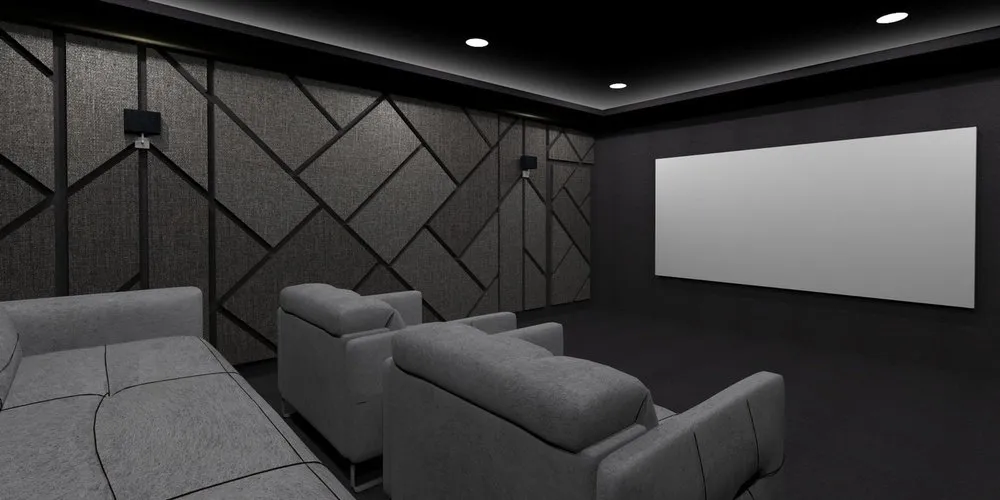
These are widely used in offices, theaters, and educational facilities. They combine strong acoustic performance with decorative finishes and are available in many colors and textures.
Polyester Acoustic Panels
Polyester panels are lightweight, durable, and environmentally friendly. Many are manufactured using recycled materials, making them suitable for sustainable building projects.
Wooden Acoustic Panels
Wood-based panels are popular in luxury interiors, auditoriums, and hospitality spaces. They provide both sound absorption and a sophisticated visual appearance.
Ceiling Baffles and Clouds
These suspended acoustic systems are often installed in large open spaces with high ceilings. They help reduce noise in areas such as airports, shopping malls, and industrial facilities.
Industry Applications of Acoustic Panels
Acoustic treatment is now an important part of building design across multiple industries.
Corporate Offices
Open-plan offices frequently experience distractions caused by conversations, phone calls, and equipment noise. Acoustic panels help create quieter workspaces that improve concentration and productivity.
Educational Institutions
Classrooms, lecture halls, and libraries require controlled acoustics for effective learning. Excessive reverberation can make speech difficult to understand, especially for younger students.
Healthcare Facilities
Hospitals and clinics benefit from noise reduction because quieter environments can improve patient comfort and reduce stress levels.
Hospitality and Restaurants
Restaurants, hotels, and cafes often use acoustic panels to create more pleasant customer experiences. Reducing background noise allows guests to communicate comfortably without raising their voices.
Recording Studios and Entertainment Venues
Music studios, cinemas, and performance halls rely heavily on acoustic treatments to achieve balanced sound quality and minimize distortion.
Factors to Consider When Choosing Acoustic Panels
Selecting the right acoustic solution requires careful evaluation of several factors.
Acoustic Performance
The required level of sound absorption depends on the room’s purpose. Spaces focused on communication generally need stronger noise reduction capabilities.
Material and Durability
Some environments require moisture-resistant or impact-resistant materials. For example, gymnasiums and industrial settings often demand more durable products.
Design and Aesthetics
Modern acoustic panels are available in decorative styles that complement interior design themes rather than appearing purely functional.
Installation Method
Panels may be wall-mounted, ceiling-mounted, or suspended. Installation requirements vary depending on building structure and room dimensions.
Fire and Safety Standards
Commercial buildings usually require panels that meet local fire resistance and safety regulations.
The Growing Demand for Acoustic Solutions
Urbanization and modern construction trends have increased demand for effective noise management. Open architectural layouts and hard surface materials often create acoustic challenges that must be addressed during the design phase.
At the same time, awareness of workplace wellness and indoor environmental quality continues to grow. Businesses are increasingly investing in acoustic improvements to create healthier and more comfortable environments.
Sustainable construction practices are also influencing product development. Many manufacturers now focus on recyclable materials and environmentally responsible production methods.
Final Thoughts
Acoustic panels play an essential role in improving indoor sound quality across many industries. Whether used in offices, schools, healthcare facilities, or entertainment venues, these systems help create more functional and comfortable spaces.
Understanding the different panel types, materials, and applications allows architects, designers, and facility managers to make informed decisions. As noise control becomes more important in modern building design, acoustic solutions will continue to remain a valuable component of interior environments.