Colour Coating Line Coating Types and Material Compatibility
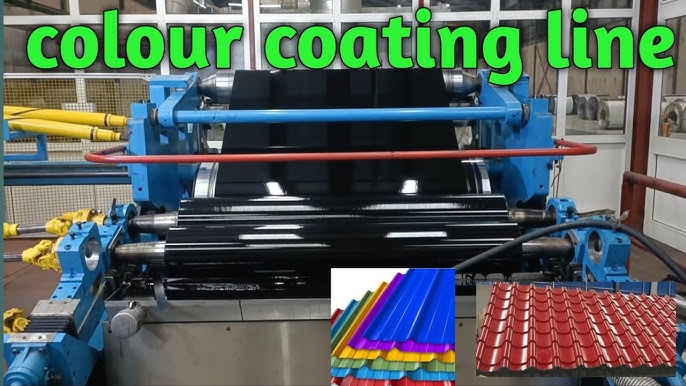
In modern metal manufacturing, surface finishing plays a crucial role in determining product durability, corrosion resistance, and aesthetic performance. A colour coating line is a highly advanced continuous system designed to apply different types of organic coatings onto metal substrates such as steel and aluminum. Understanding coating types and material compatibility is essential for achieving stable performance and long-lasting results.
A modern colour coating line integrates precise process control and multi-layer coating systems that ensure strong adhesion between the metal base and coating layers. The selection of coating materials must be carefully matched with the substrate type and intended application to ensure optimal performance.
Overview of Coating Types in a Colour Coating Line
Different coating types are used in a colour coating line depending on performance requirements, environmental conditions, and end-use applications. Each coating formulation offers unique advantages in terms of durability, flexibility, and appearance.
The main coating types include:
- Polyester coatings (PE)
- Silicon-modified polyester (SMP) coatings
- Polyvinylidene fluoride (PVDF) coatings
- Epoxy-based coatings
- Acrylic coatings
Each type is selected based on specific performance needs and environmental exposure conditions.
Polyester (PE) Coatings
Polyester coatings are widely used due to their cost-effectiveness and balanced performance. They provide good flexibility and moderate weather resistance.
Key characteristics include:
- Good color retention
- Suitable for indoor and moderate outdoor use
- Cost-efficient production
- Flexible surface finish
PE coatings are commonly used in construction materials and general industrial applications.
Silicon-Modified Polyester (SMP) Coatings
SMP coatings offer improved durability compared to standard polyester coatings. They provide better resistance to UV radiation and weathering.
Advantages include:
- Enhanced weather resistance
- Improved hardness and durability
- Longer service life than PE coatings
- Suitable for outdoor applications
These coatings are often used in roofing and exterior building materials.
Polyvinylidene Fluoride (PVDF) Coatings
PVDF coatings are high-performance materials used in demanding environments where long-term durability is essential.
Key benefits include:
- Excellent UV resistance
- Superior color stability
- High chemical resistance
- Long service life in harsh environments
PVDF coatings are commonly used in architectural projects and high-end construction applications.
Epoxy Coatings
Epoxy coatings are known for their strong adhesion and excellent corrosion resistance. However, they are less resistant to UV exposure, making them more suitable for indoor or protected environments.
Main features include:
- Strong bonding to metal surfaces
- High corrosion resistance
- Excellent chemical resistance
- Limited UV stability
They are often used as primer layers in multi-coat systems.
Acrylic Coatings
Acrylic coatings provide good appearance and moderate durability. They are often used in decorative applications where visual appeal is a priority.
Characteristics include:
- Smooth surface finish
- Good color clarity
- Moderate weather resistance
- Cost-effective solution
These coatings are commonly used in interior panels and decorative products.
Material Compatibility in Colour Coating Lines
Material compatibility is a critical factor in ensuring successful coating performance. Different metals respond differently to coating systems, making proper selection essential.
Steel Substrates
Steel is the most commonly used material in a colour coating line. It offers strong mechanical properties but requires effective corrosion protection.
Compatible coatings include:
- Polyester (PE)
- SMP coatings
- PVDF coatings
- Epoxy primers
Steel applications often require multi-layer systems for maximum durability.
Aluminum Substrates
Aluminum provides natural corrosion resistance but requires special surface treatment for proper coating adhesion.
Compatible coatings include:
- PVDF coatings for high-end applications
- Polyester coatings for general use
- Epoxy primers for improved bonding
Proper pre-treatment is essential to ensure coating stability on aluminum surfaces.
Importance of Surface Treatment for Compatibility
Surface preparation plays a vital role in ensuring coating compatibility. Without proper treatment, even high-quality coatings may fail to adhere correctly.
Key surface treatment processes include:
- Degreasing and cleaning
- Chemical conversion coating
- Rinsing and neutralization
- Drying before coating application
These steps ensure strong bonding between the coating and metal substrate.
Performance Factors Affecting Coating Selection
Several factors influence coating selection in a colour coating line, including environmental conditions and application requirements.
Important considerations include:
- Exposure to UV radiation and weather conditions
- Required service life of the product
- Mechanical stress and flexibility needs
- Chemical exposure levels
- Cost and production efficiency
Balancing these factors ensures optimal coating performance.
Industrial Applications of Different Coating Systems
Different coating types are used across various industries based on performance requirements.
Common applications include:
- Construction and architectural panels
- Home appliances and equipment housings
- Automotive components
- Industrial machinery enclosures
Each application requires specific coating and material combinations for best results.
Conclusion
Coating types and material compatibility are essential considerations in the operation of a colour coating line. By selecting appropriate coatings such as polyester, SMP, PVDF, epoxy, and acrylic based on substrate type and application requirements, manufacturers can achieve optimal performance and durability.
A well-designed coating system ensures strong adhesion, corrosion resistance, and long-term stability. As industrial demands continue to grow, understanding coating compatibility remains a key factor in producing high-quality and reliable coated metal products.