Ensuring Hygiene and Safety with Pest Control for Commercial Kitchens
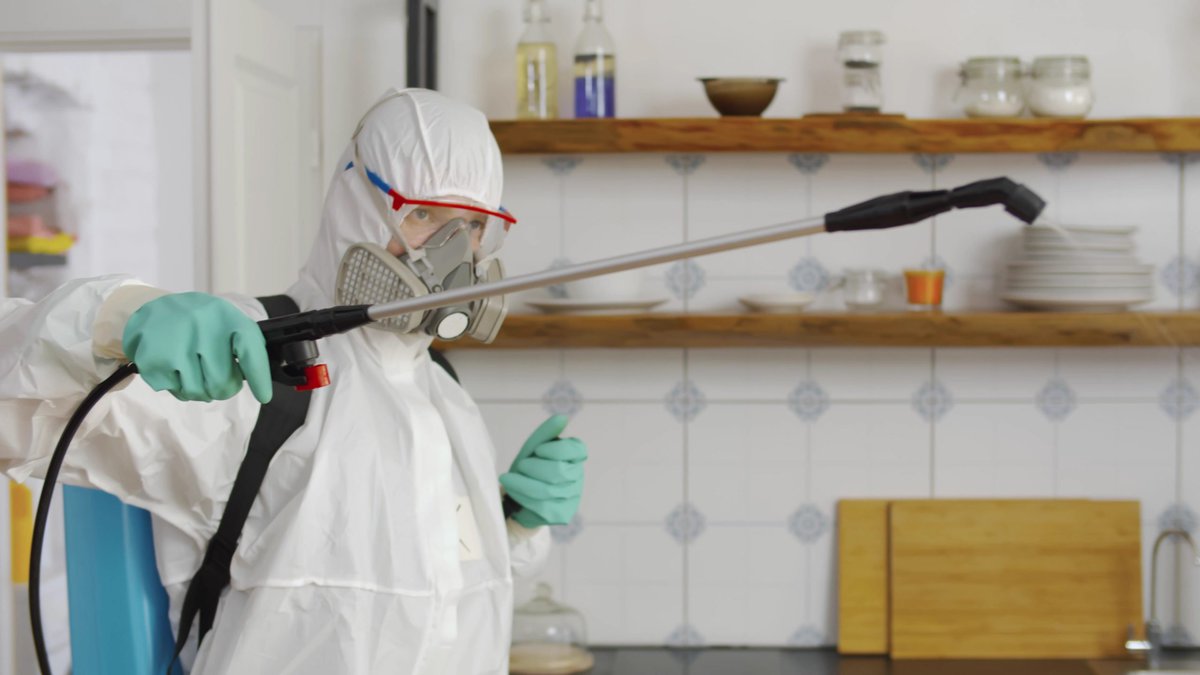
Maintaining a clean and safe environment in commercial kitchens is crucial for both food safety and business reputation. These high-traffic areas are particularly vulnerable to pests such as rodents, cockroaches, flies, and stored-product insects, all of which can compromise food hygiene and lead to regulatory violations. Uncontrolled infestations can result in contaminated food, operational disruptions, and loss of customer trust. Therefore, a comprehensive pest management strategy is essential for any commercial kitchen.
Employing professional pest control for commercial kitchen services is a proactive way to mitigate these risks. These programs focus on prevention, early detection, and prompt response to potential infestations, ensuring that kitchens remain safe, compliant, and free from pest-related disruptions.
The Risks of Pests in Commercial Kitchens
Pests in commercial kitchens are not just a nuisance—they are a significant threat to public health. Rodents can chew through packaging, contaminate food with droppings, and spread diseases such as Salmonella and Leptospirosis. Cockroaches carry bacteria and allergens while thriving in dark, moist areas, potentially contaminating food preparation surfaces. Flies are attracted to waste and can transfer harmful pathogens directly to food. Additionally, stored-product pests like beetles, moths, and weevils can infest dry goods and packaged ingredients, leading to losses and operational challenges.
Beyond health risks, pest infestations can damage kitchen equipment, disrupt service, and lead to costly fines or even temporary closure if health authorities detect violations. Recognizing these risks underscores the importance of a robust pest control strategy tailored to commercial kitchen environments.
Preventive Measures for a Pest-Free Kitchen
Prevention is the first line of defense in maintaining a pest-free commercial kitchen. Effective strategies include:
-
Maintaining Hygiene Standards: Regular cleaning of cooking areas, storage rooms, and waste disposal zones eliminates food residues and standing water that attract pests. Immediate cleaning of spills and proper sanitization of surfaces are essential.
-
Structural Maintenance: Sealing cracks and gaps, repairing leaks, and installing door sweeps and screens prevent pests from entering the kitchen.
-
Proper Food Storage: Ingredients and finished products should be stored in sealed containers. Maintaining correct temperature and humidity levels also reduces the risk of infestations.
-
Effective Waste Management: Frequent removal of waste and proper disposal practices reduce breeding grounds for pests such as flies and rodents.
Integrated Pest Management (IPM) Approach
Adopting an Integrated Pest Management (IPM) strategy is highly effective for commercial kitchens. IPM focuses on prevention, monitoring, and control using a combination of safe and sustainable methods. Key elements include:
-
Routine Inspections and Monitoring: Regularly checking for signs of pests enables early detection and swift intervention before infestations escalate.
-
Physical and Mechanical Controls: Traps, barriers, and screens prevent pests from accessing key areas within the kitchen.
-
Biological Solutions: In some cases, natural predators can help manage certain pests without relying on chemical treatments.
-
Targeted Chemical Treatments: Environmentally safe pesticides are used strategically and only when necessary to control persistent infestations, ensuring food safety is not compromised.
This comprehensive approach ensures both immediate control and long-term prevention, safeguarding kitchen operations and hygiene.
Staff Training and Awareness
Employees play a crucial role in maintaining a pest-free commercial kitchen. Staff should be trained to follow proper food handling procedures, report signs of pest activity, and maintain cleanliness standards. Awareness of how small lapses—such as leaving food uncovered or ignoring waste buildup—can lead to infestations fosters a culture of accountability and vigilance within the kitchen.
Regulatory Compliance and Documentation
Commercial kitchens are subject to strict health regulations and inspections. Maintaining detailed records of pest control activities, inspections, and corrective actions is essential for compliance. Proper documentation helps identify trends, evaluate the effectiveness of treatments, and demonstrate adherence to food safety standards during audits or regulatory checks.
Choosing the Right Pest Control Solution
Selecting the right pest control strategy is critical for protecting both food quality and business reputation. Professional services tailored for commercial kitchens provide expertise in identifying vulnerabilities, implementing preventive measures, and responding quickly to infestations. This ensures that operations remain uninterrupted, food safety standards are met, and potential risks are minimized.
Conclusion
Pests in commercial kitchens pose serious risks to food safety, operational efficiency, and customer trust. Implementing professional pest control for commercial kitchen measures, combined with preventive hygiene practices, regular inspections, and staff training, creates a safe and compliant environment.
A well-structured pest management program protects not only the quality of food but also the integrity of the kitchen and the reputation of the business. Prioritizing pest control in commercial kitchens is a proactive investment in long-term safety, efficiency, and customer satisfaction. By addressing pest threats effectively, commercial kitchens can operate confidently while maintaining the highest standards of hygiene and food safety.