PETG Material Guide: Properties, Uses, and Advantages Explained
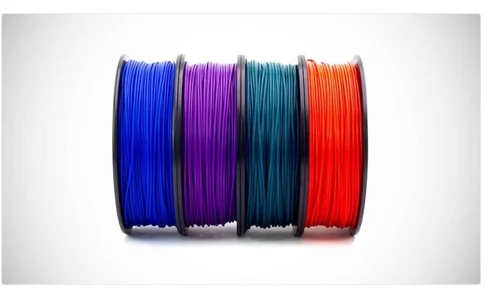
Polyethylene Terephthalate Glycol, commonly known as PETG, is a popular thermoplastic widely used in 3D printing and manufacturing. It combines the ease of use found in PLA with the strength and durability of ABS, making it a versatile material for both beginners and professionals. Its balanced performance characteristics have made it a go-to choice across multiple industries.
One of the main reasons behind the growing popularity of PETG is its adaptability. It offers excellent layer adhesion, minimal warping, and a smooth finish, which makes it suitable for a wide range of applications. Additionally, it is more durable than many other common filaments, making it ideal for functional parts that require both strength and flexibility.
What Is PETG Material?
PETG is a modified version of PET (Polyethylene Terephthalate), enhanced with glycol to improve its clarity, durability, and impact resistance. The glycol modification reduces brittleness and prevents crystallization, resulting in a material that is easier to print and more resilient.
Unlike some other plastics, PETG is food-safe in its pure form and is often used in packaging, bottles, and medical devices. However, when used in 3D printing, safety depends on the specific filament additives and printing conditions.
Key Properties of PETG
PETG stands out due to its unique combination of mechanical and chemical properties. These characteristics make it suitable for both prototyping and end-use parts.
Strength and Durability
PETG offers excellent impact resistance compared to PLA. It is strong enough to withstand mechanical stress while maintaining flexibility, reducing the likelihood of cracking.
Flexibility
Unlike brittle materials, PETG has a slight flexibility that allows it to absorb stress without breaking. This makes it useful for parts that need to endure repeated use or minor deformation.
Chemical Resistance
PETG resists many chemicals, including acids and alkalis. This property makes it suitable for containers, protective components, and industrial applications.
Temperature Resistance
It performs better than PLA in moderately high temperatures but does not reach the heat resistance levels of ABS. PETG can handle functional environments without deforming easily.
Transparency
PETG can produce semi-transparent or clear prints, which is beneficial for aesthetic designs and applications requiring visibility.
Common Uses of PETG
Due to its versatility, PETG is used across various industries and applications. Some of the most common uses include:
- 3D printing functional prototypes
- Food and beverage containers
- Medical and laboratory equipment
- Protective covers and casings
- Mechanical parts requiring durability
- Outdoor components exposed to moisture
Its resistance to water and environmental factors also makes it suitable for outdoor use, unlike materials that degrade quickly under UV exposure.
Advantages of PETG Over Other Materials
PETG bridges the gap between ease of use and performance. Here are some of its main advantages compared to other common materials:
Easier to Print Than ABS
PETG does not require a fully enclosed printing environment like ABS. It has low warping and adheres well to the print bed, making it more user-friendly.
Stronger Than PLA
While PLA is easy to print, it lacks durability. PETG provides better mechanical strength, making it more suitable for functional parts.
Low Odor During Printing
Unlike ABS, PETG produces minimal odor when printed, making it more suitable for indoor environments.
Good Layer Adhesion
PETG parts tend to have strong bonding between layers, which improves overall structural integrity.
Printing Considerations for PETG
Although PETG is relatively easy to work with, achieving optimal results requires proper settings and handling.
Temperature Settings
PETG typically prints at nozzle temperatures between 220°C and 250°C. The heated bed should be set around 70°C to 90°C for best adhesion.
Bed Adhesion
Using a proper build surface or adhesive (like glue stick or PEI sheets) can help prevent prints from sticking too strongly or damaging the surface.
Stringing Control
PETG can be prone to stringing. Adjusting retraction settings and print speed can significantly reduce this issue.
Cooling
Moderate cooling is recommended. Too much cooling can weaken layer adhesion, while too little can affect print quality.
Limitations of PETG
Despite its advantages, PETG does have some limitations:
- It is more prone to stringing than PLA
- Surface scratches more easily than ABS
- Slightly more flexible, which may not suit rigid applications
- Can stick too well to certain print surfaces
Understanding these limitations helps in choosing the right material for specific projects.
Conclusion
PETG is a highly versatile material that combines strength, flexibility, and ease of use. Its balanced properties make it an excellent choice for a wide range of applications, from simple prototypes to durable, functional components. Whether you are new to 3D printing or an experienced user, PETG offers a reliable and efficient solution for creating high-quality prints.