pH Sensors in Environmental Research: Tracking Acid Rain and Pollution
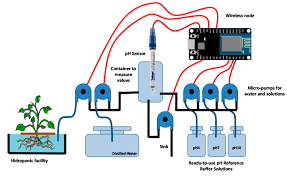
Environmental research plays a critical role in understanding and mitigating the impacts of pollution on ecosystems and human health. One of the key indicators of environmental quality is the acidity or alkalinity of water and soil, often measured as pH. Changes in pH can signal the presence of pollutants, acid rain, or chemical runoff, making accurate monitoring essential for both research and policy development.
A reliable tool for such monitoring is the pH sensor, which provides precise measurements of hydrogen ion concentration in water and soil samples. Researchers use these sensors to gather real-time data on environmental conditions, track trends over time, and identify areas affected by industrial emissions, agricultural runoff, or acid precipitation. Their accuracy and responsiveness make them indispensable in field studies and laboratory experiments alike.
Understanding Acid Rain and Its Effects
Acid rain occurs when sulfur dioxide (SO₂) and nitrogen oxides (NOₓ) from industrial emissions react with atmospheric water to form sulfuric and nitric acids. When this precipitation reaches the ground, it can significantly lower the pH of rivers, lakes, and soil. Acidic environments can harm aquatic life, leach nutrients from the soil, and damage vegetation and infrastructure.
Monitoring the pH of precipitation, surface water, and soils allows researchers to assess the severity of acid rain impacts. Consistent measurement using pH sensors helps track the effectiveness of pollution control measures, such as emissions reductions and regulatory policies.
Tracking Pollution with pH Sensors
Industrial discharges, agricultural runoff, and urban wastewater can all alter the pH of natural water bodies. Shifts in pH can indicate contamination by chemicals such as heavy metals, fertilizers, or cleaning agents. By integrating pH sensors into environmental monitoring programs, scientists can detect changes early, identify pollution sources, and guide remediation efforts.
pH sensors are particularly valuable in long-term studies where continuous monitoring is necessary. They allow for high-resolution data collection, enabling researchers to correlate pH fluctuations with seasonal changes, rainfall patterns, or human activity. This detailed data informs environmental modeling and risk assessment, providing a foundation for sustainable management strategies.
Types of pH Sensors Used in Environmental Research
Environmental researchers utilize several types of pH sensors depending on their application. Glass electrode sensors are widely used for laboratory analysis due to their high accuracy. They are ideal for measuring pH in water samples and soil extracts, providing reliable data for scientific reporting.
ISFET (Ion-Sensitive Field-Effect Transistor) sensors are suited for field applications where durability and fast response are required. These solid-state sensors resist interference from pollutants and provide continuous measurements in challenging environments such as rivers, lakes, and industrial effluent channels. Combination electrodes, integrating reference and measuring components in one unit, are also popular for automated monitoring stations.
Integration with Environmental Monitoring Systems
Modern environmental research often involves automated monitoring networks. pH sensors can be integrated with data loggers, wireless transmission systems, and centralized databases to collect and analyze real-time information. This integration allows researchers to detect anomalies, generate alerts, and perform comprehensive trend analysis across multiple sites.
Remote monitoring capabilities are particularly useful for hard-to-reach or hazardous areas. Scientists can track water quality conditions, monitor the impacts of extreme weather, and respond promptly to pollution events without physically visiting every site.
Benefits of Using pH Sensors in Environmental Research
The use of pH sensors enhances the precision and efficiency of environmental research. Continuous monitoring provides high-resolution data that improves the understanding of ecosystem dynamics and pollutant impacts. Early detection of pH changes enables timely interventions to mitigate environmental damage.
Additionally, the integration of pH sensors with automated systems reduces manual labor and minimizes the risk of human error in data collection. Reliable and reproducible measurements also support regulatory compliance, scientific publications, and evidence-based policy making.
Best Practices for pH Sensor Use
To ensure accurate results, pH sensors must be properly calibrated using standard buffer solutions. Regular cleaning prevents fouling from sediment, biofilm, or chemical residues, and protective housings enhance durability in field conditions. Selecting the right sensor type for specific environmental applications, such as freshwater, seawater, or acidic soil, is essential for optimal performance.
Proper installation, monitoring, and maintenance protocols ensure long-term reliability and consistent data collection, which are critical for high-quality environmental research.
Conclusion
pH sensors are essential tools in environmental research, providing precise and continuous measurements of acidity and alkalinity in water, soil, and precipitation. They enable scientists to track acid rain, monitor pollution, and assess the impacts of human activity on ecosystems. Integration with automated systems and adherence to best practices ensure accurate, reliable data that supports informed decision-making, regulatory compliance, and sustainable environmental management.