ComPOSxb: Factors to Consider When Planning a POS Hardware Upgrade
A POS hardware upgrade can improve checkout performance, reliability, and compatibility with newer business software. However, replacing equipment without a clear plan can create unnecessary costs, compatibility problems, and operational disruptions. Businesses should assess their current setup before deciding which components need to be upgraded.
ComPOSxb can be considered as part of a modern POS hardware strategy, but the right upgrade depends on the business’s existing equipment, workflow, software, and future requirements. A structured evaluation can help determine whether a complete replacement is necessary or whether upgrading individual components would be more practical.
Assess the Existing POS System
The first step is to review the current hardware and identify its limitations. Some equipment may still perform adequately while other components may be outdated or unreliable.
Look at the age, condition, performance, and compatibility of each major component. This can help businesses avoid replacing equipment that still provides useful service.
Identify Performance Problems
Slow terminals, delayed application responses, unreliable scanners, and printing issues can affect the checkout experience. Before upgrading, determine whether these problems are caused by hardware, software, networking, or another part of the POS environment.
Understanding the source of the problem helps businesses select the appropriate solution instead of replacing equipment unnecessarily.
Review Software Compatibility
POS hardware needs to work effectively with the software used by the business. An upgraded terminal may offer better performance but still create difficulties if the operating system, drivers, or POS application are incompatible.
Before purchasing new hardware, verify software requirements and confirm that existing peripherals can continue to operate with the proposed configuration.
Evaluate Peripheral Requirements
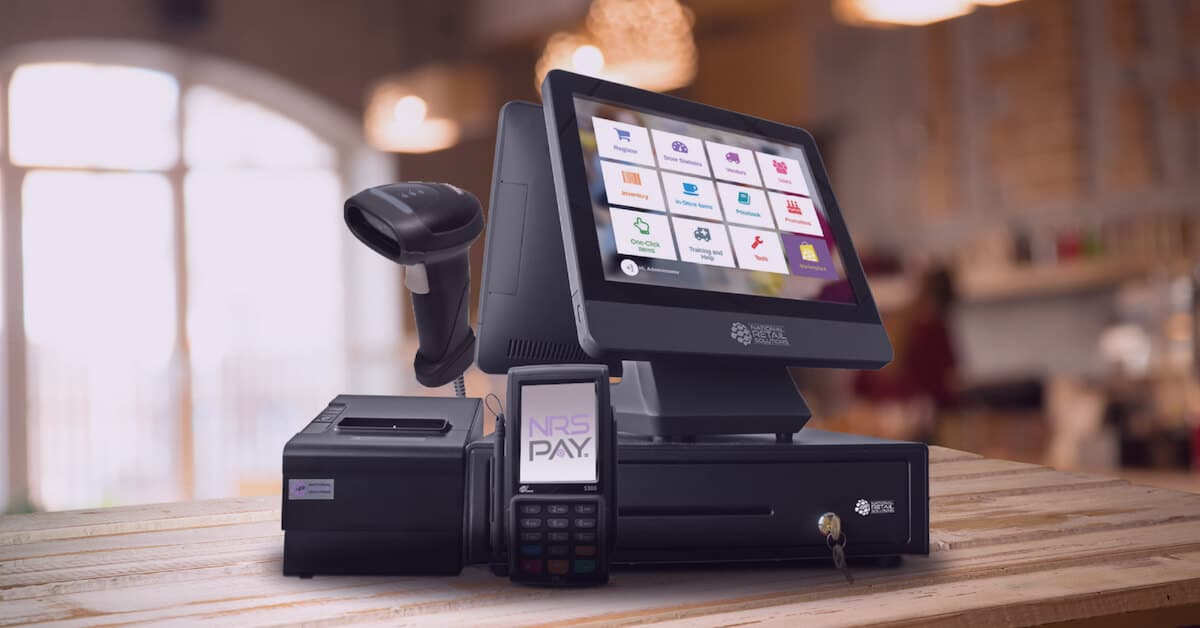
A hardware upgrade does not always require replacing every component. Barcode scanners, receipt printers, cash drawers, payment terminals, and customer displays may remain useful if they are compatible with the new system.
Create a list of existing peripherals and determine which should be retained, replaced, or upgraded. This approach can help control project costs.
Consider Processing and Memory Needs
POS software can become more demanding as businesses add features, integrations, analytics, or other applications. A terminal that was sufficient several years ago may no longer provide the same level of performance.
When selecting new hardware, consider processor capabilities, memory, storage, and expected software requirements. Choosing equipment with appropriate capacity can help extend its useful life.
Check Connectivity and Ports
Modern POS environments may require multiple connection types. Depending on the configuration, businesses may need USB, Ethernet, serial, Bluetooth, Wi-Fi, or other interfaces.
Review the ports available on both existing and proposed equipment. This is particularly important when businesses plan to retain older peripherals that require specific connections.
Think About the Physical Workspace
Hardware upgrades can change the layout of a checkout counter. A new terminal may have different dimensions, mounting requirements, or cable arrangements than the previous system.
Measure the available space before installation and determine how the new equipment will interact with existing fixtures. A technically suitable device may still be inconvenient if it does not fit the workstation properly.
Plan for Employee Usability
New equipment should make everyday tasks easier rather than introduce unnecessary complexity. Consider screen positioning, touchscreen responsiveness, peripheral placement, and the number of steps required to complete common transactions.
Employees should have an opportunity to become familiar with the upgraded system before it goes live. Short training sessions and hands-on testing can help reduce confusion during the transition.
Consider Security Requirements
A hardware upgrade is also an opportunity to review POS security. Businesses should verify that new equipment supports the security practices required by their software and payment environment.
Physical security matters as well. Terminals and payment devices should be positioned and secured appropriately to reduce the risk of unauthorized access or accidental damage.
Calculate the Total Upgrade Cost
The hardware purchase price is only one part of an upgrade project. Businesses should also account for installation, configuration, software requirements, employee training, accessories, data migration where applicable, and potential downtime.
Comparing the total cost of upgrading individual components with the cost of replacing the entire system can help determine the most economical approach.
Plan the Upgrade Around Business Operations
Replacing POS hardware during a busy sales period can create unnecessary disruption. Businesses should schedule upgrades during quieter periods whenever possible.
For multiple locations, a phased rollout may be more practical than upgrading every store simultaneously. A pilot deployment can identify problems before the same configuration is introduced across the wider business.
Keep Backup Equipment Available
Critical checkout hardware should have a contingency plan. Depending on the business, this might involve keeping spare terminals, scanners, printers, or other essential components available.
Backup equipment can help reduce downtime if a new device fails or an installation issue occurs. It also gives staff more flexibility while problems are being resolved.
Plan for Future Growth
An upgrade should address more than today’s problems. Businesses may eventually add locations, increase transaction volumes, introduce new payment methods, or integrate additional software.
Selecting hardware with suitable expansion capabilities can help prevent another major replacement in the near future. A scalable setup can provide greater value over its service life.
Test Before Full Deployment
Testing is one of the most important stages of a POS hardware upgrade. Every component should be checked with the relevant software and transaction processes before the system becomes operational.
Test scanning, payment processing, receipt printing, network connectivity, refunds, and other common tasks. Any problems identified during testing can then be resolved before customers are affected.
Conclusion
Planning a POS hardware upgrade requires a careful assessment of performance, compatibility, peripherals, connectivity, security, cost, and future requirements. Replacing equipment simply because it is older may not always be the most efficient approach.
By identifying actual weaknesses and evaluating which components need to change, businesses can create a more targeted upgrade plan. Whether upgrading individual devices or transitioning to a new POS configuration, careful preparation can improve reliability while minimizing disruption and unnecessary expense.