Materials Used by Hydraulic Seals Manufacturers and Their Performance Benefits
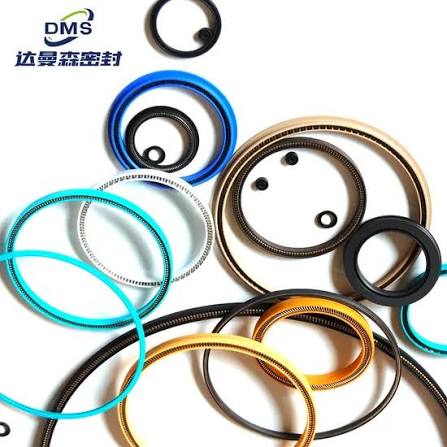
Hydraulic seals are essential components in industrial equipment because they prevent fluid leakage, maintain pressure, and protect internal machinery from external contaminants. Their performance depends on several factors, including seal design, manufacturing accuracy, operating conditions, and the materials used during production. Selecting the right material is particularly important because hydraulic systems often operate under high pressure, changing temperatures, and continuous mechanical movement.
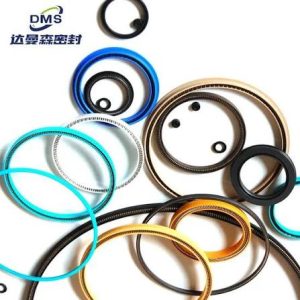
A professional Hydraulic Seals Manufacturer carefully evaluates material properties before producing sealing components for different industrial applications. Materials such as nitrile rubber, polyurethane, PTFE, fluorocarbon, and EPDM offer different levels of flexibility, abrasion resistance, chemical compatibility, and temperature tolerance. Understanding these materials and their performance benefits helps equipment manufacturers and industrial buyers choose suitable sealing solutions.
Why Material Selection Matters in Hydraulic Seal Manufacturing
The material used in a hydraulic seal directly influences its ability to maintain an effective sealing barrier. An unsuitable material may swell, harden, crack, or lose its mechanical strength when exposed to incompatible hydraulic fluids or operating conditions.
Manufacturers consider several factors when selecting materials:
- Pressure resistance: The material must withstand the mechanical forces generated during hydraulic operation.
- Temperature tolerance: It should maintain its physical properties within the expected temperature range.
- Chemical compatibility: The material must be suitable for the hydraulic fluid and other substances it may contact.
- Wear resistance: It should withstand repeated movement and friction.
- Elasticity: The material must provide sufficient flexibility and recovery to maintain sealing contact.
- Compression set resistance: It should recover appropriately after prolonged compression.
Choosing a material according to these requirements helps improve seal reliability and reduce premature component failure.
1. Nitrile Rubber (NBR)
Nitrile rubber, commonly known as NBR or Buna-N, is one of the most widely used elastomers in hydraulic sealing applications.
It is valued for its resistance to many petroleum-based oils, good mechanical properties, and practical cost.
Performance Benefits
NBR offers several advantages for general industrial sealing requirements:
- Good resistance to many mineral-based hydraulic oils.
- Suitable flexibility for different sealing profiles.
- Good resistance to abrasion in appropriate formulations.
- Reliable performance across many conventional hydraulic applications.
- Availability in different hardness grades.
Common Applications
NBR is frequently used in hydraulic O-rings, static seals, piston seals, and other general-purpose sealing components.
However, its resistance to heat, ozone, weathering, and certain chemicals is limited compared with some specialized elastomers. Therefore, the selected compound must match the intended working environment.
2. Polyurethane (PU)
Polyurethane is widely used in hydraulic sealing products that require strong resistance to mechanical wear.
Its combination of elasticity, toughness, and abrasion resistance makes it suitable for demanding applications involving repeated movement and contact with surrounding surfaces.
Performance Benefits
Polyurethane provides several important characteristics:
- High abrasion and wear resistance.
- Good tensile strength.
- Strong resistance to tearing in suitable formulations.
- Good load-bearing properties.
- Effective sealing performance in many hydraulic cylinder applications.
Common Applications
Polyurethane is commonly used for hydraulic rod seals, piston seals, wiper seals, and other components exposed to repeated mechanical movement.
It is particularly useful in construction machinery, agricultural equipment, material-handling systems, and industrial hydraulic cylinders.
Its limitations include varying resistance to temperature and chemical exposure depending on the formulation. Compatibility should be checked before use.
3. Polytetrafluoroethylene (PTFE)
Polytetrafluoroethylene, commonly called PTFE, is a high-performance polymer known for its low friction and chemical resistance.
It is frequently selected for hydraulic applications where reduced friction, dimensional stability, and resistance to aggressive operating environments are important.
Performance Benefits
PTFE offers several useful properties:
- Very low coefficient of friction.
- Excellent resistance to many chemicals.
- Good dimensional stability.
- Low moisture absorption.
- Useful performance across a broad temperature range.
- Good resistance to many forms of surface wear.
PTFE is often modified with fillers such as glass fiber, carbon, or bronze to improve specific mechanical properties.
Common Applications
PTFE is used in backup rings, piston seals, guide rings, and specialized sealing assemblies.
It is particularly valuable in applications where conventional elastomers may experience excessive friction or chemical degradation.
However, PTFE has limited elastic recovery compared with rubber materials. Seal designs may therefore incorporate energizers or other supporting elements to maintain sealing contact.
4. Fluorocarbon Rubber (FKM)
Fluorocarbon rubber, commonly identified by the abbreviation FKM, is used in applications that require resistance to elevated temperatures and certain aggressive chemicals.
It is often selected when standard elastomers cannot provide the required environmental resistance.
Performance Benefits
Important properties include:
- Good resistance to elevated temperatures.
- Strong resistance to many oils and fuels.
- Good chemical resistance against numerous substances.
- Useful resistance to aging.
- Low gas permeability in many formulations.
Common Applications
FKM is used in specialized hydraulic seals, O-rings, and sealing components for industrial equipment exposed to demanding thermal or chemical conditions.
Its suitability depends on the specific compound and fluid involved. Some FKM formulations may not be appropriate for certain chemicals, including particular water-based fluids.
5. Ethylene Propylene Diene Monomer (EPDM)
EPDM is a synthetic rubber valued for its resistance to weathering, ozone, and certain water-based environments.
Although it is not suitable for many petroleum-based hydraulic oils, it can be useful in hydraulic systems that use compatible water-based or phosphate ester fluids.
Performance Benefits
EPDM offers:
- Excellent resistance to ozone and weathering.
- Good resistance to water and steam in suitable applications.
- Good flexibility.
- Resistance to many environmental aging factors.
- Useful performance under certain temperature conditions.
Common Applications
EPDM is used in specialized hydraulic sealing applications, water-related industrial systems, and certain fluid-handling assemblies.
Material compatibility is especially important because EPDM generally performs poorly when exposed to many petroleum-based oils and fuels.
6. Silicone Rubber
Silicone rubber is known for its flexibility across a wide temperature range and its ability to maintain useful physical properties in different environmental conditions.
It is used in specialized sealing applications where temperature flexibility and particular material characteristics are more important than high abrasion resistance.
Performance Benefits
- Excellent flexibility at low temperatures.
- Good resistance to elevated temperatures.
- Useful resistance to environmental aging.
- Good electrical insulation properties.
- Available in different formulations and hardness levels.
Common Applications
Silicone may be used in specialized industrial seals, static sealing applications, and equipment where its temperature characteristics are beneficial.
However, conventional silicone compounds generally have lower tear and abrasion resistance than polyurethane and certain other elastomers. This makes them less suitable for many demanding dynamic hydraulic sealing applications.
7. Thermoplastic Elastomers (TPE)
Thermoplastic elastomers combine certain characteristics of rubber and thermoplastic materials.
They can provide flexibility and elastic behavior while allowing processing through thermoplastic manufacturing techniques.
Performance Benefits
- Good flexibility.
- Potential for efficient manufacturing.
- Availability in different hardness levels.
- Reprocessability for suitable material grades.
- Useful mechanical properties for selected applications.
Common Applications
Certain TPE formulations are used in industrial sealing products, protective components, and specialized hydraulic applications.
Their suitability depends on the specific polymer chemistry, temperature requirements, pressure conditions, and fluid compatibility.
Comparison of Common Hydraulic Seal Materials
The following table provides a general comparison of commonly used sealing materials.
| Material | Main Performance Benefit | Common Application |
|---|---|---|
| NBR | Resistance to many petroleum-based oils | General hydraulic seals |
| Polyurethane | High abrasion and tear resistance | Rod and piston seals |
| PTFE | Low friction and chemical resistance | Backup rings and specialized seals |
| FKM | Elevated temperature and chemical resistance | Demanding industrial environments |
| EPDM | Resistance to weathering and compatible water-based fluids | Specialized fluid systems |
| Silicone | Wide temperature flexibility | Specialized static seals |
| TPE | Flexible processing and elastic properties | Selected industrial sealing products |
No single material is suitable for every hydraulic application. Final selection should be based on actual operating conditions and manufacturer specifications.
How Hydraulic Seal Materials Affect Product Durability
Material selection has a direct relationship with the expected service life of a hydraulic seal.
For example, seals exposed to continuous movement may require excellent abrasion resistance. Polyurethane is often suitable for these applications because of its mechanical toughness.
In systems exposed to elevated temperatures, an appropriate FKM compound may provide better resistance to thermal degradation than conventional NBR.
Similarly, PTFE can be beneficial where friction reduction and chemical resistance are important.
Other factors also influence durability, including:
- Hydraulic fluid cleanliness.
- Operating pressure and pressure fluctuations.
- Surface finish of mating components.
- Installation accuracy.
- Equipment alignment.
- Storage and maintenance conditions.
Even a high-performance material can fail prematurely if the seal is incorrectly installed or used outside its recommended operating limits.
Factors Manufacturers Consider When Selecting Seal Materials
Hydraulic seal manufacturing requires more than choosing a material based on its general properties. Manufacturers must understand how the material will perform in a particular application.
1. Hydraulic Fluid Compatibility
Different hydraulic fluids can interact differently with elastomers and polymers. Manufacturers must verify that the selected material will not experience unacceptable swelling, shrinkage, or deterioration.
2. Operating Temperature
The material should maintain its mechanical properties across the expected temperature range. Both minimum and maximum temperatures need consideration.
3. Pressure Requirements
Higher operating pressures may require materials with suitable strength and seal profiles designed to reduce extrusion risks.
4. Movement and Friction
Dynamic seals experience repeated contact with moving surfaces. Material hardness, elasticity, and surface properties influence friction and wear.
5. Environmental Conditions
Dust, moisture, chemicals, ultraviolet exposure, and ozone may affect the performance of certain sealing materials.
6. Product Design
Material properties must work together with the seal’s geometry. A suitable material cannot compensate for an incorrectly designed sealing profile.
The Importance of Material Testing in Hydraulic Seal Manufacturing
Professional manufacturers use material testing to confirm that sealing compounds meet the required specifications.
Testing procedures may include:
Hardness Testing: Evaluates resistance to indentation and helps verify compound consistency.
Tensile Strength Testing: Measures the force required to stretch a material until failure.
Elongation Testing: Determines how much a material can stretch before breaking.
Compression Set Testing: Evaluates the ability of a material to recover after prolonged compression.
Abrasion Testing: Measures resistance to wear caused by repeated surface contact.
Fluid Compatibility Testing: Evaluates changes in material properties after exposure to specified hydraulic fluids.
These tests help manufacturers understand material behavior and select suitable compounds for different industrial applications.
How to Choose the Right Hydraulic Seal Material
Industrial buyers and equipment designers should consider several practical factors before selecting hydraulic seal materials.
- Identify the type of hydraulic fluid used in the equipment.
- Determine the minimum and maximum operating temperatures.
- Establish the system’s normal and peak operating pressure.
- Identify whether the seal will experience static, reciprocating, or rotary movement.
- Evaluate friction and abrasion requirements.
- Check the manufacturer’s material compatibility information.
- Consider the equipment’s expected maintenance intervals and service conditions.
Consulting technical documentation and discussing application requirements with a knowledgeable manufacturer can help prevent material selection errors.
Conclusion
Materials play a fundamental role in the quality, performance, and durability of hydraulic seals. NBR, polyurethane, PTFE, FKM, EPDM, silicone, and thermoplastic elastomers each offer different properties that make them suitable for particular industrial applications.
Selecting the right material requires careful consideration of hydraulic fluid compatibility, operating pressure, temperature, friction, and environmental exposure. Manufacturers must also conduct appropriate material testing and maintain consistent production standards to ensure that finished components meet their intended requirements.
For industrial buyers, understanding the benefits and limitations of different sealing materials makes it easier to select suitable products, improve equipment reliability, and reduce unnecessary maintenance costs. A material-specific approach is essential for achieving dependable hydraulic sealing performance over time.