Are Lab Diamond Rings Durable Enough for Everyday Wear?
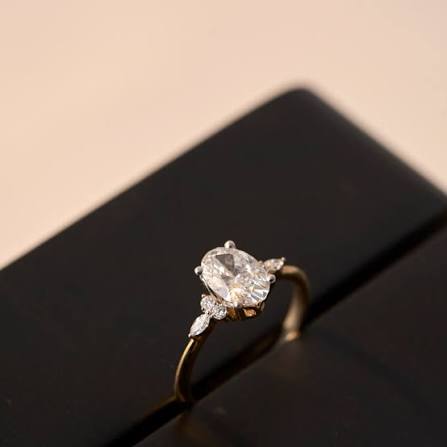
Choosing an engagement ring or everyday piece of diamond jewelry involves more than considering its appearance. Durability is equally important, especially for people who plan to wear their rings regularly. Buyers often wonder whether laboratory-grown diamonds can withstand daily activities, resist scratches, and maintain their brilliance over many years.
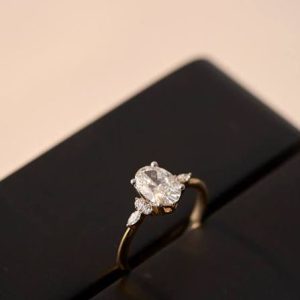
A Lab Diamond Ring offers the same fundamental hardness and physical properties as a natural diamond, making it a suitable option for everyday jewelry. However, long-term durability depends on more than the diamond itself. The quality of the metal setting, ring design, maintenance routine, and daily handling all influence how well the jewelry performs over time.
Understanding these factors can help buyers make informed decisions and protect their rings from unnecessary damage.
Are Lab-Grown Diamonds Durable?
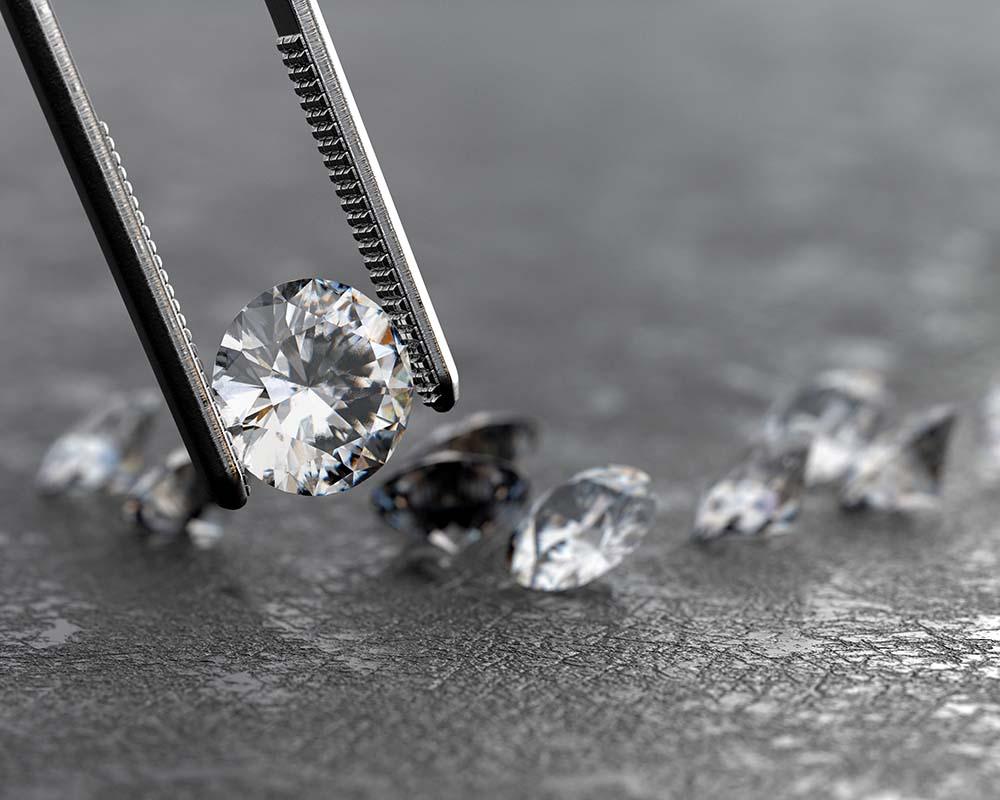
Yes. Lab-grown diamonds are highly durable and suitable for everyday wear. They have essentially the same chemical composition, crystal structure, and physical properties as natural diamonds.
Both types consist of crystallized carbon and rank 10 on the Mohs hardness scale, making diamond the hardest naturally occurring mineral material.
This high hardness provides excellent resistance to scratching. It also means that normal contact with clothing, furniture, and many everyday objects is unlikely to damage the diamond’s surface.
However, hardness does not mean that diamonds are indestructible. They can still chip or fracture when exposed to strong impacts, particularly around sharp corners or vulnerable edges.
Understanding the Hardness of Lab-Grown Diamonds
Hardness is an important measurement when evaluating jewelry durability. It describes a material’s ability to resist scratching.
The Mohs hardness scale ranges from 1 to 10, with higher numbers representing greater resistance to scratching by other materials.
Lab-grown diamonds rank 10 on this scale, just like natural diamonds.
What Does This Mean for Everyday Wear?
The high hardness of laboratory-grown diamonds offers several practical advantages:
- They resist ordinary surface scratching.
- Their polished appearance can remain attractive with proper care.
- They are suitable for engagement rings and wedding jewelry.
- They can be worn regularly without requiring frequent replacement.
- They maintain the same fundamental hardness regardless of their laboratory origin.
However, other parts of the ring may be more vulnerable to everyday wear. Gold and platinum settings can develop scratches, dents, or signs of wear over time.
Lab-Grown Diamonds vs. Natural Diamonds: Durability Comparison
One common misconception is that natural diamonds are stronger than laboratory-grown diamonds. In reality, their fundamental durability characteristics are essentially the same.
| Durability Factor | Lab-Grown Diamonds | Natural Diamonds |
|---|---|---|
| Chemical composition | Crystallized carbon | Crystallized carbon |
| Mohs hardness | 10 | 10 |
| Scratch resistance | Excellent | Excellent |
| Brilliance retention | Similar | Similar |
| Resistance to chipping | Can chip under impact | Can chip under impact |
| Everyday suitability | Excellent | Excellent |
| Maintenance requirements | Similar | Similar |
The primary difference between these diamonds is their origin rather than their basic physical performance.
Natural diamonds form through geological processes, while laboratory-grown diamonds are produced using controlled manufacturing technologies such as HPHT and CVD.
Neither origin automatically makes a diamond more resistant to everyday damage.
Factors That Affect the Durability of a Lab Diamond Ring
Although the diamond itself is highly resistant to scratching, several other factors influence the durability of the complete ring.
1. Quality of the Metal Setting
The metal setting holds the diamond in place and protects it from accidental movement or loss.
Common engagement ring metals include:
Platinum: Platinum is naturally white, corrosion-resistant, and suitable for long-term jewelry use. It can develop surface scratches and a patina over time.
White Gold: White gold offers a bright appearance and good durability. Its rhodium plating may require periodic renewal.
Yellow Gold: Yellow gold provides a traditional appearance. Its durability depends partly on its purity and alloy composition.
Rose Gold: Rose gold contains copper, which contributes to its distinctive pinkish color. Its strength and wear characteristics depend on the alloy composition.
Choosing an appropriate metal helps ensure that the setting can withstand regular use.
2. Ring Setting Design
The setting determines how the diamond is positioned and secured. Some designs provide more protection than others.
Popular options include:
- Prong Setting: Uses small metal claws to hold the diamond. It allows light to enter from different directions but leaves some edges exposed.
- Bezel Setting: Surrounds the diamond with a metal rim, providing additional protection around its perimeter.
- Halo Setting: Places smaller diamonds around the center stone, creating additional sparkle.
- Channel Setting: Holds smaller diamonds within a metal channel, reducing exposed edges.
For people with active lifestyles, bezel and other protective settings may be practical choices.
3. Diamond Shape
Diamond shape can influence its vulnerability to accidental impacts.
Round brilliant diamonds have no sharp corners, making them a popular option for everyday engagement rings.
Other shapes require additional consideration:
- Princess-cut diamonds have pointed corners that can be vulnerable to chipping.
- Pear-shaped diamonds have a pointed tip that benefits from protective setting details.
- Marquise diamonds have two pointed ends that should be securely protected.
- Emerald-cut diamonds have clipped corners that require appropriate prong or bezel protection.
The right setting can help reduce the risk of damage while maintaining the intended design.
4. Manufacturing and Craftsmanship
The overall quality of the ring depends on the precision of its manufacturing and finishing.
Poorly constructed settings may allow the diamond to move, while weak prongs can increase the possibility of stone loss.
Before purchasing, examine the band’s thickness, prong alignment, setting stability, and overall finishing.
Professional craftsmanship is important for ensuring that the diamond remains securely mounted during regular wear.
Can Lab Diamond Rings Be Worn Every Day?
Yes. Lab-grown diamond rings are suitable for daily use because of their excellent scratch resistance and long-lasting brilliance.
They are commonly used in engagement rings and wedding jewelry because they can withstand normal everyday conditions when properly designed and maintained.
However, certain activities may increase the risk of damage.
Activities That Require Extra Care
Exercise and Sports: Weightlifting, contact sports, and activities involving heavy equipment can expose rings to strong impacts.
Household Cleaning: Cleaning products containing harsh chemicals may affect the metal setting or other components of the ring.
Gardening: Soil, tools, and hard surfaces can cause scratches to the band or place pressure on the setting.
Swimming: Rings can become slippery when hands are wet, increasing the risk of accidental loss. Cold water may also cause fingers to shrink slightly, making a loose ring easier to remove.
Heavy Manual Work: Construction, mechanical work, and similar activities may expose the ring to impacts and abrasion.
Removing the ring during these activities can help preserve its condition.
How to Keep a Lab Diamond Ring Looking New
Regular maintenance helps protect both the diamond and its setting. Although diamonds are highly durable, dirt, oils, and everyday residue can reduce their visible brilliance.
The following practices can help maintain the ring’s appearance.
1. Clean the Ring Regularly
Use warm water, mild dish soap, and a soft brush to remove accumulated dirt and oils.
Gently clean around the diamond and underneath the setting, where residue can collect.
Rinse carefully and dry the ring using a soft, lint-free cloth.
2. Avoid Harsh Chemicals
Household cleaning products, bleach, and other strong chemicals may damage certain metals or affect other components of the jewelry.
Remove the ring before handling cleaning chemicals or applying products that may leave residue.
3. Store It Properly
When the ring is not being worn, keep it in a separate jewelry box or soft pouch.
Although diamonds resist scratching, they can scratch other gemstones and jewelry when stored together.
4. Schedule Professional Inspections
Have a jeweler periodically inspect the prongs, setting, and band.
Loose stones, worn prongs, or small structural problems should be addressed before they cause more serious damage.
5. Remove It During High-Impact Activities
Avoid wearing the ring during activities that involve heavy lifting, strong impacts, or repeated contact with hard surfaces.
This simple precaution can help prevent accidental chipping and damage to the setting.
Do Lab-Grown Diamonds Lose Their Brilliance Over Time?
Lab-grown diamonds do not naturally lose their brilliance as they age. Their optical properties remain stable under normal wearing conditions.
However, their appearance may become dull when oils, lotion, soap, and dust accumulate on the surface.
This is usually a cleaning issue rather than a permanent change in the diamond.
Regular cleaning restores the stone’s ability to interact with light effectively.
It is also important to distinguish between the diamond and the metal setting. Precious metals can develop scratches and signs of wear, which may change the overall appearance of the ring even when the center diamond remains in excellent condition.
Can a Lab Diamond Ring Chip or Break?
Yes. Despite ranking 10 on the Mohs hardness scale, diamonds can still chip or fracture under certain conditions.
This happens because hardness and toughness measure different material properties.
Hardness describes resistance to scratching, while toughness relates to resistance to breaking or chipping.
Diamonds have natural cleavage directions along which they can split under sufficient force. A strong impact against a hard surface may therefore damage even a high-quality diamond.
Certain shapes, especially those with pointed corners or exposed edges, may require extra protection.
Choosing a secure setting and avoiding unnecessary impacts can reduce these risks.
Are Lab Diamond Rings Suitable for Active Lifestyles?
People with busy routines can comfortably wear lab-grown diamond rings, but their design should reflect their daily activities.
For example, someone who frequently works with their hands may benefit from a low-profile setting that reduces the likelihood of catching on clothing or equipment.
A bezel setting can also provide additional edge protection.
Individuals who participate in sports or physically demanding activities should consider removing their rings when there is a risk of impact, pressure, or accidental loss.
Practical design choices can make everyday jewelry more comfortable and easier to maintain.
Do Lab Diamond Rings Require Special Maintenance?
Lab-grown diamonds do not require a special maintenance routine simply because they were created in a laboratory.
Their cleaning and care requirements are essentially the same as those of natural diamond jewelry.
Basic maintenance includes regular cleaning, proper storage, and periodic inspection of the setting.
However, rings featuring delicate metalwork, pavé diamonds, or intricate designs may require more careful handling.
Buyers should also follow any care instructions provided by the jeweler, particularly when the ring contains additional gemstones or specialized materials.
How Long Can a Lab Diamond Ring Last?
A well-made lab-grown diamond ring can last for generations with appropriate care.
The diamond itself is highly resistant to scratching and does not deteriorate simply because of its laboratory origin.
However, the metal band and setting may require occasional maintenance. Prongs can wear down, gold can become scratched, and certain settings may need professional repairs over time.
Regular inspections help identify these issues early.
The overall lifespan of the ring depends on its craftsmanship, materials, wearing conditions, and maintenance history.
Common Myths About Lab Diamond Ring Durability
Several misconceptions can create confusion among buyers who are considering laboratory-grown diamonds.
Myth 1: Lab-Grown Diamonds Are Softer Than Natural Diamonds
This is incorrect. Both have essentially the same hardness and chemical composition.
Myth 2: Lab-Grown Diamonds Lose Their Sparkle
A diamond does not naturally lose its brilliance over time. Dirt and oils can reduce its sparkle, but proper cleaning restores its appearance.
Myth 3: Diamonds Cannot Break
Diamonds are highly scratch-resistant but can still chip or fracture under strong impacts.
Myth 4: Expensive Settings Are Always More Durable
Price alone does not determine durability. The metal quality, design, construction, and craftsmanship are more important considerations.
Myth 5: Everyday Wear Requires Frequent Diamond Replacement
A properly selected and maintained lab-grown diamond can remain suitable for regular wear for many years.
What to Check Before Buying a Durable Lab Diamond Ring
Before purchasing an engagement or everyday ring, consider the following factors:
- Diamond quality: Review the diamond’s cut, color, clarity, and carat weight.
- Setting security: Check whether the center stone is firmly positioned.
- Metal selection: Choose a suitable precious metal based on your lifestyle and maintenance preferences.
- Diamond shape: Consider protective designs for stones with pointed corners or edges.
- Craftsmanship: Examine the band, prongs, and overall finishing.
- Certification: Request appropriate documentation from a recognized gemological organization.
- Warranty and maintenance: Understand the available repair, resizing, and inspection services.
These considerations help ensure that the ring is not only visually attractive but also practical for long-term use.
Conclusion
Lab diamond rings are durable enough for everyday wear because they share the same fundamental hardness and physical properties as natural diamonds. Their excellent resistance to scratching makes them suitable for engagement rings, wedding jewelry, and other frequently worn accessories.
However, long-term durability depends on more than the diamond itself. Metal quality, setting design, craftsmanship, and daily handling all contribute to the condition of the complete ring.
By choosing a secure setting, following basic cleaning practices, and arranging periodic professional inspections, buyers can maintain the beauty and functionality of their jewelry for many years. A carefully selected lab-grown diamond ring can therefore be both a practical everyday accessory and a meaningful piece of lasting jewelry.