Single-Cell RNA Extraction: Techniques for Recovering High-Quality RNA from Individual Cells
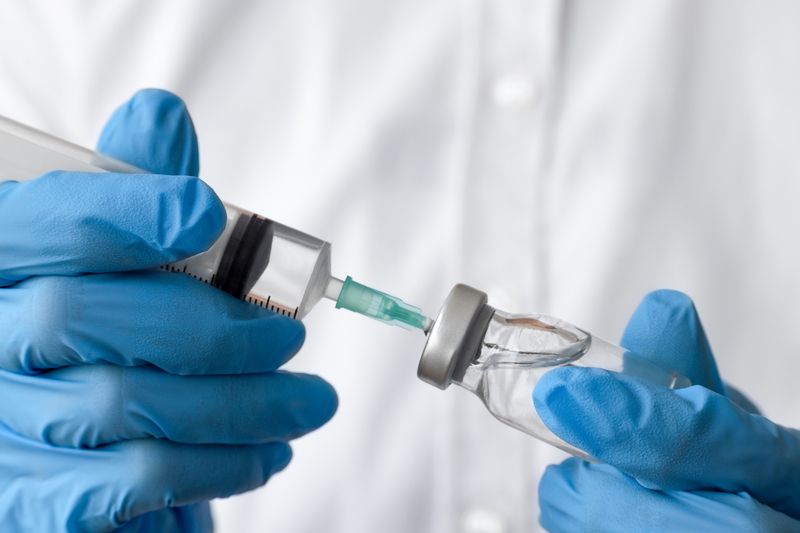
Single-cell RNA analysis has become an important approach in molecular biology because it allows researchers to investigate gene expression at the level of individual cells. Unlike bulk RNA analysis, which measures the combined RNA content of many cells, single-cell methods can reveal differences in gene activity between cell populations. This makes them valuable for studying cellular diversity, developmental processes, disease mechanisms, and responses to experimental treatments.
Recovering RNA from an individual cell presents unique technical challenges. A single cell contains only a small amount of RNA, making sample loss, degradation, and contamination particularly significant. Successful analysis therefore depends on careful cell isolation, efficient RNA recovery, and appropriate sample preparation.
Understanding the principles of Single Cell Rna Extraction can help researchers select suitable techniques, protect RNA integrity, and prepare individual-cell samples for reliable downstream analysis.
What Is Single-Cell RNA Extraction?
Single-cell RNA extraction refers to the process of recovering RNA from an individual cell or preparing cellular RNA for single-cell transcriptomic analysis.
The objective is to preserve and capture the RNA molecules present in the cell while minimizing sample loss and contamination. Because individual cells contain limited quantities of RNA, conventional bulk extraction procedures may not provide sufficient sensitivity or recovery for these applications.
Single-cell RNA workflows generally involve several stages:
- Cell preparation: Biological material is processed to obtain viable or appropriately preserved cells.
- Cell isolation: Individual cells are separated using a suitable technique.
- Cell lysis: The cell membrane is disrupted to release RNA.
- RNA stabilization and capture: Released RNA is protected from degradation and prepared for downstream processing.
- Library preparation or analysis: RNA-derived material is converted into a format suitable for sequencing or another analytical method.
The exact procedure depends on whether the experiment uses a single isolated cell, a plate-based workflow, or a high-throughput single-cell platform.
Why Is RNA Extraction From Individual Cells Challenging?
Single-cell experiments require greater attention to sample handling than many conventional RNA extraction workflows. Several factors can affect the amount and quality of recovered RNA.
1. Extremely Low RNA Input
An individual cell contains far less RNA than a typical bulk tissue or cell culture sample. This makes even small losses during sample preparation potentially significant.
RNA may be lost through adsorption to tubes, pipette tips, purification membranes, or other surfaces. Low-input workflows therefore need suitable reaction volumes and materials.
2. High Risk of RNA Degradation
RNases can rapidly break down RNA after a cell is disrupted. Since the starting material is limited, degradation of even a portion of the RNA may affect the representation of transcripts in the final analysis.
Rapid sample processing and appropriate RNA stabilization are important for preserving the original expression profile.
3. Cell-to-Cell Biological Variation
Individual cells can differ substantially in their RNA content and gene expression patterns.
Some cells naturally contain more RNA than others, while biological state, cell cycle, and environmental conditions may influence transcript abundance. Researchers must distinguish genuine biological differences from technical variation introduced during sample preparation.
4. Contamination From Other Cells
The presence of multiple cells in a sample can compromise an experiment intended to measure individual-cell expression.
Accurate cell isolation, careful handling, and appropriate quality control are necessary to minimize doublets and unintended cell mixing.
5. Technical Variation During Sample Preparation
Differences in cell capture, lysis efficiency, RNA recovery, and reverse transcription can influence the final data.
A consistent workflow helps reduce technical variation and improves the reliability of comparisons between cells.
Common Techniques Used in Single-Cell RNA Extraction
Several methods are available for preparing RNA from individual cells. The most suitable approach depends on sample type, throughput, analytical objectives, and available equipment.
1. Plate-Based Single-Cell RNA Preparation
In plate-based workflows, individual cells are deposited into separate wells of a multiwell plate using methods such as fluorescence-activated cell sorting or micromanipulation.
Each well contains reagents designed to lyse the cell and stabilize or capture its RNA.
<AsyncImage query=”single cell RNA sequencing plate based workflow 96 well plate laboratory cell sorting” aspectRatio=”16:9″ width=”100%”/>
Advantages include:
- Individual cells can be processed separately.
- Researchers can select specific cell populations.
- Experimental conditions can be controlled for each well.
- The method can support targeted studies of selected cells.
However, plate-based workflows may require considerable manual handling and specialized equipment. The number of cells processed is also influenced by available well capacity and laboratory resources.
2. Microfluidic Single-Cell RNA Processing
Microfluidic platforms use small channels and chambers to manipulate cells and perform sample preparation at a microscale.
Depending on the platform, individual cells may be isolated, lysed, and processed within specialized devices.
<AsyncImage query=”microfluidic single cell RNA sequencing chip laboratory microfluidics device” aspectRatio=”16:9″ width=”100%”/>
These systems can reduce reaction volumes and support controlled processing of individual cells.
Potential benefits include:
- Precise cell manipulation.
- Reduced reagent consumption.
- Integration of multiple preparation steps.
- Support for specialized high-throughput workflows.
Microfluidic systems are platform-dependent and may require dedicated instruments, consumables, and validated protocols.
3. Droplet-Based Single-Cell RNA Sequencing
Droplet-based technologies are widely used for high-throughput single-cell transcriptomic analysis.
In these workflows, individual cells are encapsulated in small droplets together with molecular barcoding materials. RNA molecules released from each cell are captured and labeled with cell-specific identifiers.
<AsyncImage query=”droplet based single cell RNA sequencing microfluidic droplets schematic laboratory” aspectRatio=”16:9″ width=”100%”/>
The barcodes allow researchers to associate sequenced transcripts with their original cells.
This approach can support the analysis of thousands of cells in a single experiment, depending on the platform and experimental design.
It is important to note that droplet-based workflows do not necessarily involve purifying a separate tube of total RNA from every individual cell. Instead, they capture and barcode RNA for pooled downstream processing.
4. Fluorescence-Activated Cell Sorting
Fluorescence-activated cell sorting (FACS) separates cells based on measurable characteristics, including fluorescence signals and light-scattering properties.
Researchers can use fluorescent markers to identify specific cell populations and deposit individual cells into separate wells or collection vessels.
FACS can be particularly useful when the experiment focuses on a defined cell type within a heterogeneous sample.
However, sorting conditions, cell viability, handling time, and collection buffer composition may affect RNA quality. The selected workflow should be validated for the target cell population.
5. Micromanipulation
Micromanipulation uses specialized instruments to isolate individual cells under microscopic observation.
This approach provides direct control over cell selection and can be useful when researchers need to collect rare or morphologically distinct cells.
Although it offers precise selection, micromanipulation is generally more labor-intensive than high-throughput approaches and requires specialized expertise.
Important Factors for Recovering High-Quality RNA
Successful single-cell RNA preparation depends on controlling several technical variables.
Efficient Cell Lysis
Cell lysis must release RNA without unnecessarily compromising its integrity.
The appropriate lysis conditions depend on cell type, membrane characteristics, and downstream chemistry. Some workflows use specialized buffers that disrupt cellular structures while helping protect RNA from RNase activity.
Researchers should follow validated platform instructions rather than adapting conventional bulk extraction conditions without testing.
RNase Control
RNase contamination is a major concern when working with limited RNA quantities.
Useful precautions include:
- Using RNase-free consumables where appropriate.
- Maintaining clean work surfaces and equipment.
- Wearing suitable gloves and changing them when contaminated.
- Minimizing unnecessary sample handling.
- Processing samples promptly.
- Following validated stabilization and storage procedures.
These measures help preserve RNA during isolation and preparation.
Minimizing Sample Loss
At single-cell input levels, RNA loss during transfer and purification can have a substantial effect on data quality.
Researchers should consider reaction volume, tube material, surface adsorption, and the number of transfer steps.
Low-retention consumables may help reduce nonspecific adsorption in suitable workflows, but their use should be compatible with the selected platform and assay.
Preventing Cross-Contamination
Cross-contamination between cells can lead to incorrect assignment of transcripts or misleading expression profiles.
Use clean equipment, suitable separation procedures, and appropriate negative controls. When working with droplet-based systems, platform-specific quality control can help identify issues such as multiplets and ambient RNA.
How to Choose an RNA Extraction Method for Single-Cell Work
The ideal method depends on the scientific question and the experimental design.
| Selection factor | What to consider |
|---|---|
| Number of cells | Individual-cell analysis or high-throughput profiling |
| Cell type | Cell size, membrane properties, and sensitivity |
| Isolation method | FACS, micromanipulation, microfluidics, or droplet-based processing |
| RNA input | Very low input and expected recovery |
| Throughput | Manual processing or automated workflows |
| Analytical objective | Targeted expression analysis or transcriptome-wide sequencing |
| Equipment | Availability of sorting instruments and specialized platforms |
| Data quality | RNA preservation, contamination control, and technical reproducibility |
Researchers should select a method that matches both the biological sample and the downstream analysis. A workflow optimized for thousands of cells may not be ideal for studying one rare cell, while a plate-based method may be inefficient for very large studies.
Quality Control in Single-Cell RNA Workflows
Quality control is essential because technical problems can affect the interpretation of single-cell data.
Cell Viability and Integrity
For workflows that require intact cells, viability assessment before isolation can help identify damaged or unsuitable cells.
The acceptable viability level depends on the experimental design and platform requirements.
RNA Quality and Recovery
In conventional RNA extraction, concentration, purity, and integrity can be assessed using spectrophotometry, fluorometric assays, and electrophoresis.
However, these measurements may not be practical for RNA recovered from a single cell because the amount is often below the detection range of standard instruments.
For single-cell workflows, researchers frequently rely on downstream library quality metrics and platform-specific controls.
Detection of Contamination
Genomic DNA contamination and ambient RNA can affect single-cell analysis.
Appropriate DNA removal procedures, negative controls, and computational quality checks may help identify unwanted material. The specific approach depends on the library preparation chemistry.
Assessment of Library Quality
For sequencing-based experiments, library concentration, fragment size distribution, and sequencing quality metrics provide useful information about sample preparation.
These measurements help determine whether the resulting libraries are suitable for sequencing and downstream analysis.
Single-Cell RNA Extraction vs. Bulk RNA Extraction
Single-cell and bulk RNA workflows differ in their starting material, objectives, and technical requirements.
| Feature | Single-cell RNA workflow | Bulk RNA extraction |
|---|---|---|
| Starting material | Individual cells or individually barcoded cells | Groups of cells or tissue samples |
| RNA quantity | Very limited | Generally higher |
| Main objective | Measure cell-specific expression | Measure average expression across a sample |
| Sample preparation | Requires cell isolation or barcoding | Usually involves direct tissue or cell lysis |
| Technical sensitivity | Highly sensitive to sample loss and contamination | More tolerant of small losses |
| Throughput | Can range from targeted cells to thousands of cells | Depends on sample number and extraction format |
| Data interpretation | Reveals cellular heterogeneity | Represents combined expression |
Bulk RNA extraction remains useful for many research applications, but it cannot provide the same cell-level information as single-cell analysis.
Common Applications of Single-Cell RNA Analysis
Single-cell transcriptomic methods have expanded research opportunities across several biological fields.
Cancer Research
Tumors often contain different cell populations with distinct gene expression patterns. Single-cell analysis can help researchers investigate tumor heterogeneity, immune cell populations, and cellular responses to treatment.
Developmental Biology
Cellular gene expression changes during development. Single-cell methods allow researchers to study how individual cells differentiate and acquire specialized functions.
Immunology
Immune tissues contain diverse cell populations with different roles. Single-cell RNA analysis can help characterize immune cell states and investigate changes following stimulation or disease.
Neuroscience
The nervous system contains many specialized cell types. Single-cell transcriptomic approaches can support the identification and characterization of neuronal and non-neuronal populations.
Disease Mechanism Studies
Single-cell analysis can reveal cellular differences that may be hidden in bulk measurements, helping researchers investigate disease-associated changes in specific cell populations.
Common Challenges and How to Address Them
| Challenge | Potential effect | Recommended approach |
|---|---|---|
| Low RNA input | Reduced transcript detection | Use a validated low-input workflow |
| RNA degradation | Loss of transcript information | Maintain RNase control and process samples appropriately |
| Incomplete cell isolation | Mixed-cell expression profiles | Optimize isolation and assess doublets |
| Sample loss | Reduced molecular recovery | Minimize transfers and unnecessary handling |
| Ambient RNA | Background expression signals | Follow platform-specific cleanup and quality control procedures |
| Genomic DNA contamination | Unwanted nucleic acid signal | Use compatible DNA removal procedures where needed |
| Technical variation | Inconsistent cell profiles | Standardize processing conditions and controls |
Best Practices for Reliable Single-Cell RNA Recovery
Researchers can improve workflow consistency by following several general principles.
Select an appropriate platform: Match the isolation and processing technology to the number and type of cells being studied.
Protect RNA integrity: Use suitable sample stabilization and RNase-control procedures throughout the workflow.
Minimize handling: Reduce unnecessary transfers and follow the platform’s recommended reaction volumes.
Use validated protocols: Avoid changing lysis, capture, or incubation conditions without evaluating their effects.
Include quality controls: Use appropriate controls to assess contamination, library preparation, and technical performance.
Document experimental conditions: Record cell preparation, isolation settings, reagent batches, and processing details to support reproducibility.
Conclusion
Single-cell RNA extraction and preparation provide researchers with a way to investigate gene expression at the level of individual cells. Techniques such as plate-based processing, microfluidics, droplet-based barcoding, fluorescence-activated cell sorting, and micromanipulation support different experimental objectives and throughput requirements.
Because individual cells contain limited amounts of RNA, successful analysis depends on efficient cell isolation, careful lysis, RNase control, minimal sample loss, and appropriate quality assessment. Researchers should also recognize that many single-cell sequencing platforms capture and barcode RNA rather than producing a separate purified RNA sample from every cell.
By selecting a validated workflow that matches the cell type and analytical objective, laboratories can improve sample preparation consistency and generate more reliable single-cell gene expression data.