Inside the O-Ring Manufacturing Process: Materials, Molding, and Quality Control
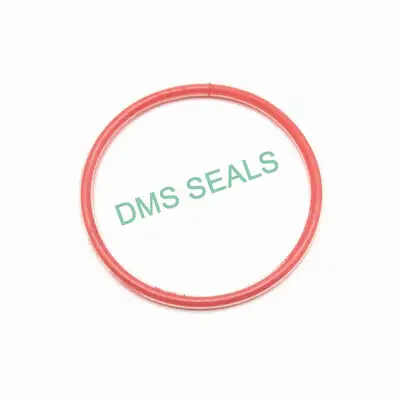
O-rings are essential sealing components used in industries ranging from automotive manufacturing and aerospace to hydraulic equipment and chemical processing. Their simple circular design makes them versatile, but producing a reliable O-ring requires careful attention to material selection, manufacturing techniques, dimensional accuracy, and quality testing. Even minor defects can affect sealing performance and lead to leakage, equipment damage, or unexpected maintenance requirements.
A professional O Ring Manufacturer must understand every stage of production to deliver components that meet specific industrial requirements. From selecting suitable elastomer compounds to controlling molding conditions and inspecting finished products, each manufacturing step contributes to the final quality and reliability of the seal. Understanding this process also helps industrial buyers make better decisions when sourcing sealing components.
Understanding the Basics of O-Ring Manufacturing
An O-ring is a circular sealing component with a round cross-section. It creates a seal by compressing between two mating surfaces, preventing fluids or gases from passing through the connection.
O-rings are commonly manufactured using elastomeric materials that provide flexibility and recovery after compression. Their performance depends on several characteristics, including hardness, elasticity, tensile strength, chemical resistance, and temperature stability.
The manufacturing process must maintain consistent dimensions and material properties so that each component fits correctly within its intended sealing arrangement.
Step 1: Selecting the Right Raw Materials
Material selection is the foundation of O-ring manufacturing. Different applications expose seals to different temperatures, pressures, chemicals, and mechanical stresses. Choosing an unsuitable compound can result in swelling, cracking, hardening, or premature deterioration.
Manufacturers evaluate the intended application before selecting an appropriate elastomer.
Common Materials Used in O-Ring Production
Nitrile Rubber (NBR): Widely used in hydraulic systems, automotive equipment, and industrial machinery because of its resistance to petroleum-based oils and fuels.
Fluorocarbon Rubber (FKM): Suitable for applications involving elevated temperatures, oils, fuels, and many chemicals.
Ethylene Propylene Diene Monomer (EPDM): Offers good resistance to water, steam, ozone, and weathering.
Silicone Rubber (VMQ): Known for flexibility across a broad temperature range and used in specialized industrial applications.
Hydrogenated Nitrile Butadiene Rubber (HNBR): Provides improved heat, mechanical, and aging resistance compared with conventional NBR in many applications.
Polytetrafluoroethylene (PTFE): Offers excellent chemical resistance and low friction, although its manufacturing methods and mechanical behavior differ from conventional elastomers.
The correct material depends on the complete operating environment rather than one characteristic alone.
Step 2: Preparing and Mixing the Rubber Compound
After selecting the base material, manufacturers prepare the rubber compound according to the required performance specifications.
This stage involves combining the elastomer with appropriate additives and processing ingredients. Depending on the formulation, these may include curing agents, fillers, pigments, processing aids, and other additives.
The purpose of compounding is to achieve the desired physical and chemical properties.
Important factors during this stage include:
- Accurate measurement of raw ingredients.
- Consistent mixing conditions.
- Proper distribution of additives.
- Control of material temperature.
- Verification of compound characteristics.
Inconsistent mixing can create variations in hardness, strength, and elasticity. Proper compound preparation therefore plays an important role in maintaining product consistency.
Step 3: Choosing the Appropriate Molding Method
Once the rubber compound is prepared, it is shaped into the required O-ring dimensions. Different molding techniques are used depending on production quantities, material characteristics, component dimensions, and manufacturing requirements.
Compression Molding
Compression molding is a commonly used process for manufacturing rubber O-rings.
A measured quantity of uncured rubber compound is placed into a heated mold cavity. The mold is closed, applying pressure while heat initiates the curing process.
This method is suitable for producing different O-ring sizes and can accommodate various elastomer formulations.
Injection Molding
Injection molding involves introducing prepared rubber material into heated mold cavities under controlled pressure.
The process can support efficient production and consistent component geometry when the mold design and processing conditions are properly controlled.
It is particularly useful in manufacturing environments where repeatability and production efficiency are important.
Transfer Molding
Transfer molding uses a separate chamber to transfer rubber compound into closed mold cavities. It can be suitable for producing molded rubber components with particular design and processing requirements.
The choice of molding technique depends on the component design, production volume, material, and required manufacturing precision.
Step 4: Vulcanization and Curing
Vulcanization is a critical stage in conventional rubber O-ring manufacturing. During this process, the rubber compound undergoes a chemical reaction that forms crosslinks between polymer chains.
These crosslinks give the material its required elastic and mechanical characteristics.
The curing process generally involves controlled heat and time, with pressure applied according to the molding method.
Incorrect curing conditions can affect the final product. Under-curing may result in inadequate physical properties, while excessive curing can negatively influence material performance.
Manufacturers therefore need to maintain appropriate processing conditions based on the selected compound and production specifications.
Step 5: Deflashing and Surface Finishing
After molding and curing, O-rings may contain excess rubber around their edges or at mold parting lines. This excess material is commonly known as flash.
Deflashing removes unwanted material to improve the component’s appearance and ensure that it meets dimensional and functional requirements.
Depending on the product and manufacturing process, finishing methods may include:
- Manual trimming.
- Mechanical deflashing.
- Cryogenic deflashing.
- Specialized finishing techniques.
Care is required during this stage because aggressive finishing can damage the sealing surface or alter the component’s dimensions.
A properly finished O-ring should have a clean surface without defects that could interfere with its intended sealing function.
Step 6: Dimensional Inspection and Quality Control
Quality control is essential throughout O-ring production. Even when the correct material and molding process are used, manufacturing variations can affect the finished component.
Inspection procedures help identify defects and verify that products meet the agreed specifications.
Dimensional Accuracy
Manufacturers measure the inside diameter and cross-sectional thickness to confirm that the O-ring falls within the required tolerances.
Dimensional accuracy is important because incorrect sizing can lead to excessive compression, insufficient sealing contact, or installation difficulties.
Hardness Testing
Hardness testing evaluates the resistance of the elastomer to indentation. It is commonly performed using a Shore durometer.
The required hardness depends on the application, material formulation, and sealing design.
Tensile Strength and Elongation Testing
These tests help evaluate the mechanical properties of the rubber compound.
Tensile strength measures the material’s resistance to breaking under tension, while elongation indicates how much it can stretch before failure.
Visual Inspection
Finished O-rings should be checked for manufacturing defects such as:
- Cracks and surface cuts.
- Air bubbles and voids.
- Excessive flash.
- Irregular cross-sections.
- Contamination.
- Surface imperfections.
Additional testing may be required for specialized applications involving particular chemicals, temperatures, or regulatory requirements.
Step 7: Packaging, Storage, and Product Identification
The manufacturing process does not end when the O-rings pass inspection. Proper packaging and storage are important for protecting finished components before they reach customers.
Elastomer products can deteriorate when exposed to unsuitable storage conditions, including excessive heat, direct sunlight, ozone, and certain chemicals.
Manufacturers should use appropriate packaging and storage practices to reduce the risk of contamination or premature aging.
Product identification is also important, particularly for industrial customers who require specific material grades, dimensions, and production batches.
Labels and supporting documentation may include product specifications, material information, batch identification, and relevant inspection details.
Why Quality Control Matters in O-Ring Manufacturing
Quality control helps ensure that O-rings perform consistently within their intended operating conditions.
Poor manufacturing quality can create several problems:
Fluid and gas leakage: Incorrect dimensions or surface defects may interfere with effective sealing contact.
Premature wear: Inconsistent material properties can reduce resistance to mechanical stress and environmental exposure.
Equipment downtime: Failed seals may require maintenance work and interrupt production operations.
Increased replacement costs: Components with shorter service lives create additional purchasing and labor expenses.
Application-related failures: Unsuitable materials may deteriorate when exposed to specific chemicals or operating temperatures.
A structured quality management process helps manufacturers identify potential problems and maintain consistent production standards.
How Manufacturing Standards Influence Product Reliability
Industrial O-rings may need to meet particular dimensional, material, or application-specific standards.
For example, ISO 3601 is an important international standard covering O-rings, including dimensional and tolerance-related requirements. Depending on the application, customers may also require additional material specifications, testing procedures, or regulatory documentation.
Manufacturers should understand the standards relevant to their customers’ industries and provide supporting documentation where applicable.
Businesses should also verify whether a manufacturer’s quality certifications apply to the specific production facility and processes involved.
What Industrial Buyers Should Ask an O-Ring Manufacturer
Understanding the manufacturing process can help businesses evaluate suppliers more effectively.
Before placing an order, consider asking:
- Which elastomer materials are available?
- What molding techniques are used?
- How are rubber compounds prepared and tested?
- What dimensional tolerances can be achieved?
- Which quality control procedures are followed?
- Can material and batch traceability be provided?
- Are custom sizes and specialized compounds available?
- Can inspection reports and technical datasheets be supplied?
Clear answers help customers understand the manufacturer’s production capabilities and determine whether its products meet their requirements.
Conclusion
O-ring manufacturing involves several interconnected stages, including raw material selection, rubber compounding, molding, vulcanization, finishing, and quality inspection. Each stage contributes to the physical properties, dimensional accuracy, and overall reliability of the finished sealing component.
For industrial buyers, understanding this process provides a useful foundation for evaluating product quality and manufacturing capabilities. Choosing a manufacturer that maintains consistent production procedures, appropriate material controls, and documented inspection practices can help reduce sealing problems and improve equipment reliability.
Ultimately, dependable O-rings are the result of careful material selection, controlled manufacturing, and effective quality assurance. These elements are essential for producing sealing components that meet the demands of modern industrial applications.