Thermal vs. Impact Receipt Printers: Which Technology Is Better?
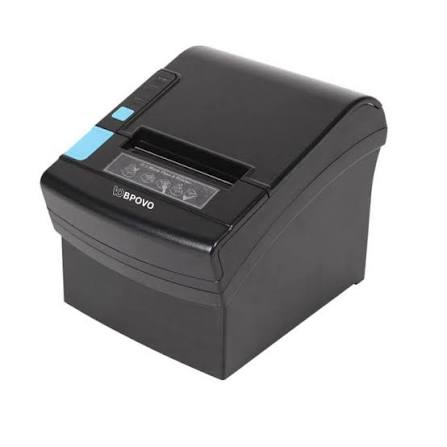
Choosing the right printing technology is an important decision for businesses that handle frequent customer transactions. Retail stores, restaurants, supermarkets, hotels, and other commercial establishments rely on receipt printers to generate payment records, customer bills, and order information. Among the available options, thermal and impact printing technologies remain two common choices, each offering different benefits for specific business environments.
Understanding how these technologies operate can help businesses select a suitable Receipt Printer based on printing requirements, operating conditions, maintenance costs, and daily transaction volume. Although both technologies produce printed documents, their printing mechanisms and practical applications differ considerably.
What Is a Thermal Receipt Printer?
A thermal receipt printer uses heat to create text, numbers, and graphics on specially coated thermal paper. Its printhead contains small heating elements that activate specific areas of the paper surface, forming the required content.
One of the main advantages of thermal technology is that it does not require conventional ink cartridges, toner, or ribbons. This makes it a convenient option for businesses that need to print numerous receipts throughout the day.
Advantages of Thermal Printing
- High printing speed: Thermal printers can produce receipts quickly, helping businesses reduce customer waiting times.
- Quiet operation: Their printing mechanisms generate relatively little noise, making them suitable for customer-facing environments.
- Simple maintenance: Businesses mainly need to replace paper rolls and perform basic printhead cleaning.
- Compact design: Many models are designed to fit comfortably on checkout counters and POS workstations.
- Clear output: Thermal technology can produce sharp text, logos, and barcodes when used with compatible paper.
Limitations of Thermal Printing
Thermal printing requires specially coated paper, which may fade when exposed to excessive heat, direct sunlight, or certain chemicals. Businesses that need long-term physical document storage should consider these limitations.
What Is an Impact Receipt Printer?
An impact receipt printer, commonly called a dot matrix printer, creates printed characters by using mechanical pins that strike an ink ribbon against paper.
Unlike thermal models, impact printers can work with multi-part paper. This allows businesses to produce multiple copies of a receipt or order document during a single printing operation.
Advantages of Impact Printing
- Multiple copies: Supports duplicate and triplicate documents using compatible multi-part paper.
- Flexible paper options: Does not depend on specially coated thermal paper.
- Practical for kitchens: Suitable for restaurant environments where printed order tickets are required.
- Specialized applications: Useful for businesses that need physical copies for different departments.
Limitations of Impact Printing
Impact printers generally produce more noise and operate at lower speeds than thermal models. They also require periodic replacement of ink ribbons and may need additional maintenance because of their mechanical components.
Thermal vs. Impact Receipt Printers: A Detailed Comparison
Understanding the differences between these technologies makes it easier to identify which option is appropriate for a particular business.
| Comparison Factor | Thermal Printer | Impact Printer |
|---|---|---|
| Printing mechanism | Heat-based | Mechanical striking |
| Printing speed | Generally faster | Generally slower |
| Noise level | Low | Higher |
| Printing supplies | Thermal paper | Paper and ink ribbon |
| Multiple copies | Not normally supported directly | Supports multi-part paper |
| Maintenance | Generally simpler | Requires ribbon replacement |
| Print quality | Sharp text and graphics | Suitable text and basic graphics |
| Operating cost | Depends on thermal paper usage | Depends on ribbon and paper usage |
| Common applications | Retail and billing counters | Restaurant kitchens and duplicate documents |
Both technologies can provide reliable results when used in suitable environments. The important consideration is matching their capabilities with actual business requirements.
Which Receipt Printer Is Better for Different Industries?
The best printing technology often depends on the type of business and its daily workflow.
1. Retail Stores and Supermarkets
Thermal printers are generally more suitable for retail environments because they offer fast printing, quiet operation, and convenient maintenance. They can generate customer receipts immediately after a transaction is completed through the POS system.
Their compact structure also makes them practical for checkout counters with limited space.
2. Restaurants and Cafes
Restaurants can benefit from both printing technologies. Thermal models are commonly used for customer bills and front-counter receipts, while impact printers can be useful for kitchen order tickets and duplicate documentation.
The selection depends on the restaurant’s kitchen environment and order management requirements.
3. Hotels and Hospitality Businesses
Hotels typically use thermal printers at reception desks, restaurant counters, and billing stations. Their quiet performance and compact designs make them suitable for customer-facing operations.
4. Warehousing and Industrial Businesses
Some commercial and industrial operations require duplicate transaction documents, delivery records, or internal order slips. Impact printers may be a practical choice when multi-part paper is necessary.
Important Factors to Consider Before Choosing
Before purchasing a printer, businesses should evaluate several factors to avoid compatibility and performance problems.
Printing volume: High-volume businesses should prioritize printing speed and equipment durability.
Paper requirements: Determine whether standard thermal rolls or multi-part paper are more suitable.
Connectivity: Check available USB, Ethernet, Bluetooth, or Wi-Fi connections based on the existing POS setup.
Operating environment: Consider temperature, dust, moisture, and noise levels.
Maintenance requirements: Compare paper expenses, ribbon replacement, cleaning, and servicing needs.
Software compatibility: Ensure that the printer supports the required POS software, operating system, and printer commands.
Budget: Evaluate both the initial purchase price and long-term operating expenses rather than focusing only on upfront costs.
Future Trends in Receipt Printing Technology
Receipt printing continues to develop alongside modern retail automation and digital payment systems. Thermal printers are becoming more advanced through improved connectivity, faster printing mechanisms, and compact hardware designs.
Wireless communication and cloud-based POS integration are also helping businesses manage printing operations more flexibly.
Meanwhile, impact printers continue to serve specialized applications where duplicate physical copies are important. Both technologies are expected to remain useful in business environments with different documentation requirements.
Conclusion
Thermal and impact receipt printers offer distinct advantages for modern businesses. Thermal technology is generally the better choice for fast, quiet, and convenient receipt production in retail stores, supermarkets, and hospitality environments. Impact printing remains valuable for restaurants and commercial operations that require multiple document copies.
By comparing printing speed, paper compatibility, maintenance, connectivity, and operating conditions, businesses can identify the most appropriate technology. Selecting a printer that matches daily operational needs can improve transaction efficiency and support reliable business processes over the long term.