Thermal Printer vs. Inkjet Printer: Which Technology Is Better for Your Needs?
Choosing the right printing technology is an important decision for businesses and individuals who depend on regular printing. Different printing devices offer different advantages in terms of speed, image quality, operating costs, maintenance, and material compatibility. Two commonly used options are thermal printers and inkjet printers. While both technologies can produce text, images, and graphics, their printing mechanisms and practical applications are quite different.
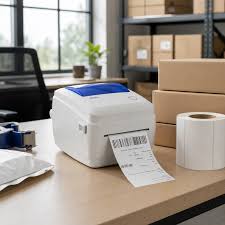
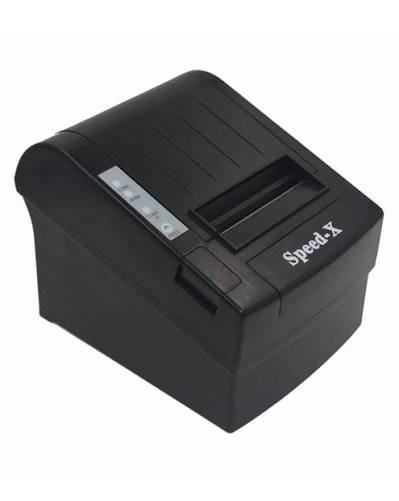
Thermal printers are widely used for receipts, shipping labels, barcodes, and product identification, whereas inkjet printers are commonly found in homes, offices, and environments requiring colorful documents or photographs. Understanding the differences between these technologies can help buyers select equipment that meets their specific requirements. Exploring modern Thermal Printer solutions also provides useful insight into the advantages of heat-based printing for commercial applications.
What Is a Thermal Printer?
A thermal printer is a printing device that uses controlled heat to create text, images, and barcodes on compatible materials. Instead of relying on conventional ink cartridges, it uses a thermal printhead containing small heating elements.
These elements activate selected areas of the printing material to produce the required output. Depending on the printing method, the heat either changes the color of specially coated paper or transfers ink from a ribbon onto a label.
There are two primary types of thermal printing technology:
Direct Thermal Printing
Direct thermal printers use heat-sensitive paper that darkens when exposed to the printhead’s heating elements. They do not require ink, toner, or ribbons.
They are commonly used for:
- Retail receipts.
- Shipping labels.
- Queue tickets.
- Transaction records.
- Temporary product identification.
Thermal Transfer Printing
Thermal transfer printers use a ribbon containing specialized ink. Heat from the printhead transfers this ink onto the surface of a label or other compatible material.
They are suitable for:
- Industrial product labels.
- Warehouse identification.
- Asset tracking.
- Manufacturing labels.
- Durable barcode applications.
The printing method and material combination determine the durability and performance of the final output.
What Is an Inkjet Printer?
An inkjet printer produces images by spraying extremely small droplets of liquid ink onto paper or other compatible surfaces. The printer uses a printhead containing numerous tiny nozzles that release ink in carefully controlled patterns.
The printer processes digital information and determines where individual ink droplets should be placed to reproduce the required text or image.
Most inkjet printers use black and colored ink cartridges. By combining different ink colors, they can produce detailed photographs, illustrations, graphics, and documents.
Inkjet printers are commonly used for:
- Office documents.
- School assignments.
- Business reports.
- Color brochures.
- Photographs.
- Marketing materials.
Their ability to reproduce detailed color images makes them useful for applications where visual presentation is important.
Thermal Printer vs. Inkjet Printer: How Do They Work Differently?
The primary difference between these technologies is how they create printed images.
Thermal printers rely on heat, while inkjet printers use liquid ink.
In a thermal printer, the controller processes the printing information and activates specific heating elements within the printhead. The heat creates the required image directly on heat-sensitive paper or transfers ink from a ribbon.
An inkjet printer follows a different process. It receives digital information and controls tiny nozzles that spray microscopic ink droplets onto the printing surface. These droplets combine to form text, graphics, and images.
Because their printing mechanisms are different, the two technologies also have different consumable requirements, maintenance procedures, and application areas.
Key Differences Between Thermal and Inkjet Printers
Understanding the main differences can make it easier to determine which technology is appropriate for a particular environment.
1. Printing Speed
Printing speed is important for businesses that need to produce large quantities of documents, receipts, or labels.
Thermal printers are generally well suited to fast receipt and label printing. Their heating-based mechanism allows them to produce output quickly, particularly when printing simple text and barcode information.
Inkjet printers may take longer when producing high-resolution photographs, detailed graphics, or complex documents. Their performance also depends on the printer model, print settings, and document complexity.
For retail checkout counters and shipping stations, thermal printers are often a practical choice because they support quick, repetitive printing tasks.
2. Printing Quality and Resolution
Both technologies can produce clear printing results, but their strengths differ.
Thermal printers are particularly effective for text, barcodes, receipts, and product labels. Their print resolution can vary, with common options including 203 DPI, 300 DPI, and 600 DPI.
Inkjet printers generally offer greater flexibility for color reproduction and photographic detail. They can produce smooth gradients, detailed illustrations, and visually rich documents.
Therefore, thermal printers are usually more suitable for functional printing, while inkjet printers are often preferred for colorful visual materials.
3. Operating Costs
Operating costs depend on printing volume, consumable prices, equipment requirements, and maintenance.
Direct thermal printers do not require conventional ink cartridges or toner. Their primary consumable is heat-sensitive paper or labels.
Thermal transfer printers require compatible ribbons and labels, but they still avoid conventional ink cartridges.
Inkjet printers require liquid ink cartridges or refillable ink supplies. Frequent printing, especially in color, can increase consumable expenses.
For businesses producing thousands of receipts or labels, thermal printing may provide a more convenient cost structure. However, actual savings should be evaluated by comparing the cost of media and consumables over time.
4. Maintenance Requirements
Thermal printers generally have relatively simple printing mechanisms. Their maintenance usually involves cleaning the printhead, inspecting the platen roller, checking sensors, and replacing paper or ribbons.
Inkjet printers require attention to printhead cleanliness and ink delivery systems. Ink can dry inside the nozzles when a printer remains unused for extended periods, potentially requiring cleaning cycles.
Thermal printers may therefore be easier to maintain in environments where frequent, consistent receipt or label printing is required.
5. Durability of Printed Materials
The durability of printed output depends on the technology and materials used.
Direct thermal printing produces images that may fade when exposed to excessive heat, sunlight, friction, or certain chemicals. This makes it more suitable for short-term applications.
Thermal transfer printing can produce durable labels when the correct ribbon and label materials are selected. Certain combinations offer resistance to abrasion, moisture, and chemicals.
Inkjet prints can also provide good durability, particularly when using suitable inks and compatible paper. However, resistance to water, light, and fading varies between dye-based and pigment-based inks.
Businesses should consider storage conditions and the expected lifespan of printed information before selecting a printing method.
6. Color Printing Capabilities
Color reproduction is one of the main advantages of inkjet printing.
Inkjet printers commonly use combinations of cyan, magenta, yellow, and black inks to create a wide range of colors. This makes them suitable for photographs, promotional materials, brochures, and colorful business documents.
Standard thermal printers generally focus on monochrome printing. Some specialized thermal systems support color output, but they are less common than conventional color inkjet printers.
For businesses that regularly produce colorful marketing materials, inkjet technology is usually the more practical option.
Thermal Printer vs. Inkjet Printer Comparison Table
The following comparison highlights the major differences between the two technologies.
| Comparison Factor | Thermal Printer | Inkjet Printer |
|---|---|---|
| Printing method | Heat-based printing | Liquid ink droplets |
| Main consumables | Thermal paper or labels; ribbons for transfer models | Liquid ink |
| Printing speed | Generally fast for receipts and labels | Varies by model and print quality |
| Color capability | Usually monochrome | Excellent color capabilities |
| Maintenance | Generally simpler | May require nozzle cleaning |
| Barcode printing | Well suited | Possible, depending on quality and media |
| Photo printing | Limited in standard models | Well suited |
| Common applications | Receipts, labels, tickets | Documents, photographs, graphics |
| Media requirements | Heat-sensitive or ribbon-compatible materials | Compatible paper and surfaces |
| Typical business use | Retail, logistics, manufacturing | Offices, marketing, education |
Advantages of Thermal Printers Over Inkjet Printers
Thermal printers provide several advantages in commercial environments where speed, simplicity, and consistent label production are priorities.
Reduced Dependence on Ink Cartridges
Direct thermal printers do not use traditional ink cartridges. This simplifies consumable management and eliminates the need to monitor conventional ink levels.
Efficient Receipt and Label Printing
Thermal printers are designed for applications involving frequent receipt and label production. They can generate barcodes and transaction information quickly.
Convenient Operation
Their relatively straightforward printing mechanism makes thermal printers practical for employees who need to produce labels or receipts throughout the working day.
Compact Equipment Options
Many thermal printers feature compact designs that fit easily into retail counters, office workstations, and small packaging areas.
Suitable for Specialized Business Applications
Thermal printing is particularly useful for shipping labels, warehouse identification, product tracking, and point-of-sale transactions.
Advantages of Inkjet Printers Over Thermal Printers
Although thermal printers offer important commercial benefits, inkjet printers are better suited to several other printing requirements.
High-Quality Color Reproduction
Inkjet printers can produce detailed color images, making them useful for marketing materials, photographs, and presentations.
Greater Visual Flexibility
Businesses can use inkjet printers to produce different document formats, including colorful brochures, illustrations, charts, and promotional graphics.
Compatibility with Various Paper Types
Depending on the printer model, inkjet devices can support plain paper, glossy photo paper, specialty media, and other compatible printing surfaces.
Suitable for General Office Printing
Inkjet printers can handle a broad range of everyday documents, including reports, letters, invoices, and educational materials.
Which Industries Benefit Most from Thermal Printers?
Thermal printers are particularly valuable in industries where accurate identification and fast printing are important.
Retail and Supermarkets
Retail businesses use thermal printers to produce customer receipts, product labels, price tags, and transaction records. Fast printing helps maintain checkout efficiency.
Logistics and Transportation
Shipping and delivery companies rely on thermal printing for package identification, tracking barcodes, and shipping documentation.
Healthcare
Hospitals, clinics, and laboratories use specialized thermal printing systems for patient wristbands, specimen labels, and prescription information.
Manufacturing
Manufacturers use thermal transfer printers to produce serial numbers, product identification labels, and component tracking information.
Warehousing
Warehouse operators use thermal printers to create barcode labels for storage locations, cartons, inventory items, and outgoing shipments.
When Should You Choose an Inkjet Printer?
Inkjet printing is generally a better option when the primary requirement involves detailed color output rather than repetitive receipt or barcode production.
Consider an inkjet printer if your activities include:
- Printing high-quality photographs.
- Producing colorful brochures and advertisements.
- Creating presentations with detailed graphics.
- Printing school and office assignments.
- Preparing visually appealing marketing documents.
For businesses that regularly create customer-facing promotional materials, the color flexibility of inkjet technology can be particularly valuable.
How to Choose Between Thermal and Inkjet Printing
Before purchasing printing equipment, businesses should evaluate their actual printing requirements instead of choosing based only on the initial equipment price.
Identify the Main Application: Determine whether you need receipts, shipping labels, barcodes, photographs, or general documents.
Estimate Printing Volume: Consider how many pages, receipts, or labels you expect to produce each day.
Compare Consumable Costs: Evaluate the long-term cost of thermal paper, ribbons, ink cartridges, and compatible printing materials.
Consider Print Quality: Decide whether sharp text and barcode readability or detailed color reproduction is more important.
Review Maintenance Requirements: Consider how much time employees can dedicate to cleaning and maintaining printing equipment.
Check Software Compatibility: Ensure the selected printer works with your existing computers, POS terminals, inventory systems, or other business applications.
A clear understanding of these requirements can help businesses make a more practical investment decision.
Conclusion
Thermal printers and inkjet printers serve different purposes, and neither technology is universally better. Thermal printers are generally more suitable for receipts, shipping labels, barcodes, and repetitive commercial printing because of their fast operation, simplified consumable requirements, and practical maintenance needs.
Inkjet printers are a stronger choice for photographs, colorful graphics, brochures, and general office documents where visual quality and color flexibility are important.
Ultimately, the right choice depends on printing volume, application requirements, operating costs, and desired output quality. Businesses that understand these differences can select appropriate printing equipment, improve workflow efficiency, and manage their long-term printing expenses more effectively.