Muslim Basin Features That Support Convenient Foot Washing
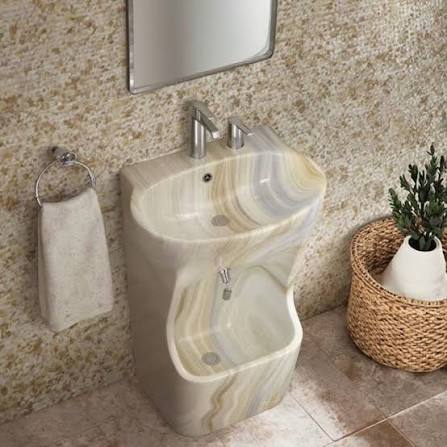
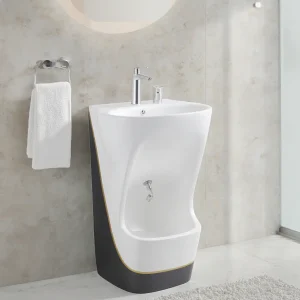
Foot washing is an important practical consideration when designing a dedicated Wudu facility. A conventional bathroom sink may provide sufficient space for hand and face washing but may not accommodate the positioning required for comfortable foot washing. This difference makes basin dimensions, faucet placement, seating, and surrounding clearance important factors when selecting equipment for homes and religious buildings.
When researching suitable fixtures, a Muslim basin should be assessed according to the washing activities it needs to support. Not every product marketed for ablution will have the same dimensions or configuration, so buyers should review actual drawings and specifications before making a decision. A well-planned installation should make foot washing convenient without creating unnecessary water spillage or movement difficulties.
Basin Dimensions and Washing Space
The available washing space is one of the first features to examine.
A basin that is too shallow or narrow may restrict foot positioning. Users should have enough room to access the water without placing their feet in awkward positions.
The basin’s depth and overall shape should be evaluated in relation to the intended washing method.
For a shared facility, it is also necessary to consider whether the dimensions will remain comfortable when users are washing at neighboring stations.
Faucet Placement and Water Access
The position of the water outlet can influence the entire washing experience.
A faucet should be accessible without forcing users to lean excessively or stretch across the basin.
Convenient Control Position
Controls should be easy to operate, including for users with limited hand mobility.
Simple lever-style controls may be worth considering where compatible with the selected fixture and plumbing system.
Appropriate Water Direction
The outlet should direct water into the intended washing area.
Poor positioning can cause unnecessary splashing onto walls, clothing, or surrounding floors.
The final faucet arrangement should be checked against the basin’s actual dimensions.
The Importance of Seated Washing Arrangements
A stable seat can make foot washing more manageable.
This feature may be particularly helpful for older worshippers, people recovering from mobility limitations, and users who find standing uncomfortable.
The seat should have an appropriate height and provide sufficient stability in a wet environment.
Its position relative to the faucet should allow users to reach the water comfortably.
The surrounding area must also provide enough clearance for getting into and out of the seated position.
Surface Characteristics and Cleaning
Foot washing involves frequent water exposure, making material selection important.
Solid-surface products may be suitable for certain contemporary installations, while ceramic and stainless steel offer alternative approaches.
Each material has its own characteristics and maintenance requirements.
Buyers should request information about surface composition, cleaning compatibility, and recommended applications.
The basin should be easy to clean around the areas where water and soap residues may collect.
Preventing Water Spillage
Foot washing can introduce more water onto the surrounding floor than ordinary handwashing.
The room should therefore be designed to control moisture.
Appropriate floor gradients direct water toward drainage outlets, while suitable waterproofing protects the building structure.
The flooring should provide adequate slip resistance.
Drainage capacity should also reflect the expected number of users, particularly in busy mosque facilities.
Allowing Comfortable Movement
The space around the basin is just as important as the fixture itself.
Users need enough room to position their feet, adjust their posture, and move away safely.
In shared facilities, adequate separation between washing stations helps prevent interference.
Hooks and shelves should be positioned so that personal belongings remain away from direct splashing.
Choosing Features According to User Requirements
Not every ablution facility needs the same arrangement.
A private household may require one seated washing position, while a large mosque may need several stations with carefully organized circulation.
The expected users, available room dimensions, and frequency of use should determine the final configuration.
Making Foot Washing a Comfortable Part of Ablution
A suitable Muslim basin should support comfortable water access and practical positioning rather than simply resemble a conventional bathroom fixture.
By considering dimensions, faucet placement, seating, flooring, and drainage together, designers can create an installation that makes foot washing easier.
The most effective design combines convenient access with appropriate safety measures and straightforward maintenance, allowing the facility to support everyday Wudu without unnecessary complications.