Disc Centrifuge Maintenance: What Operators Should Monitor
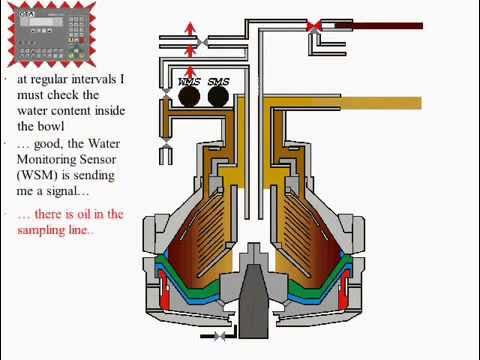
Regular maintenance is essential for keeping industrial separation equipment operating safely and consistently. Because centrifuges work at high rotational speeds, small changes in operating conditions can develop into larger mechanical or process issues if they are overlooked.
A Disc Centrifuge requires routine attention to both mechanical components and process conditions. Operators who monitor equipment performance, cleanliness, lubrication, vibration, and discharge behavior can identify potential problems before they affect production.
Monitor Vibration and Noise
Changes in vibration are among the most useful indicators of centrifuge condition. An increase in vibration may be associated with an imbalance, worn bearing, improper assembly, or material accumulation inside the bowl.
Operators should also pay attention to unusual sounds. A new grinding, knocking, or irregular mechanical noise should be investigated rather than ignored.
Check Operating Temperature
Temperature monitoring helps identify problems that may not be immediately visible. Bearings, drive components, motors, and other mechanical parts can generate excess heat when operating under abnormal conditions.
Unexpected temperature increases may result from insufficient lubrication, excessive load, friction, or ventilation problems. Recording normal temperature ranges can make unusual changes easier to recognize.
Inspect Lubrication Systems
Proper lubrication reduces friction and helps protect moving components from premature wear. Maintenance schedules should include checking lubricant levels, lubricant condition, and any signs of leakage.
Using the correct lubricant and following the equipment manufacturer’s recommended service intervals is important. Over-lubrication can also create problems, so operators should avoid adding lubricant beyond specified requirements.
Monitor Feed Conditions
Maintenance is not limited to mechanical inspection. Feed characteristics can strongly influence the operating condition of the centrifuge.
Operators should watch for changes in:
- Feed flow rate
- Solids concentration
- Temperature
- Viscosity
- Density
- Chemical composition
Sudden changes can increase loading, affect separation performance, or contribute to material accumulation.
Keep the Bowl and Disc Stack Clean
Accumulated solids can gradually affect separation efficiency and mechanical balance. Regular cleaning helps maintain the intended flow paths and reduces the risk of deposits interfering with operation.
Cleaning procedures should follow the equipment’s operating instructions. Particular care is needed when handling the disc stack because improper removal, cleaning, or reassembly can affect equipment performance.
Examine Seals and Connections
Seals, gaskets, fittings, and connection points should be checked periodically for leakage or deterioration. Even a small leak can indicate that a component needs adjustment or replacement.
Operators should also inspect piping and connections for signs of vibration-related loosening. Maintaining secure connections helps protect both the equipment and the surrounding work area.
Observe Discharge Performance
Changes in solids or liquid discharge can provide useful information about equipment condition. Irregular discharge, reduced capacity, or unexpected changes in separated material may indicate a process or mechanical issue.
Comparing current discharge behavior with established operating conditions can help operators recognize deviations at an early stage.
Follow a Preventive Maintenance Schedule
A structured maintenance program is more reliable than waiting for equipment problems to appear. Operators can divide inspections according to frequency, making routine tasks easier to manage.
Daily Checks
Daily inspections may include checking:
- Vibration and unusual noise
- Operating temperature
- Leakage
- Feed and discharge conditions
- General equipment cleanliness
Periodic Maintenance
Longer-term maintenance can include bearing inspections, lubrication service, seal replacement, bowl and disc-stack inspection, and examination of drive components.
The exact maintenance interval should be based on equipment specifications, operating hours, process conditions, and the manufacturer’s recommendations.
Record Maintenance Findings
Maintenance records help establish a useful performance history. Operators can record vibration levels, temperatures, cleaning activities, component replacements, and unusual operating events.
Over time, these records can reveal gradual changes that may otherwise be difficult to notice. They can also help maintenance teams plan service before minor issues become unexpected downtime.
Use Proper Maintenance Procedures
Different centrifuge models can have different construction details and service requirements. Before disassembly or major maintenance, operators should follow the applicable technical documentation and safety procedures.
Equipment suppliers such as Shenzhou Machinery can provide centrifuge solutions designed for different industrial separation requirements, but maintenance practices should always be matched to the specific machine configuration.
Conclusion
Effective disc centrifuge maintenance depends on consistent observation rather than occasional inspection alone. Monitoring vibration, temperature, lubrication, feed conditions, cleanliness, seals, and discharge behavior gives operators a clearer picture of equipment health.
With proper maintenance records and a preventive service routine, potential problems can often be detected earlier, helping support reliable operation, stable separation performance, and longer equipment service life.