How Electric Skid Steer Loaders Improve Efficiency in Indoor Construction
How Electric Skid Steer Loaders Improve Efficiency in Indoor Construction
Indoor construction projects often present challenges that are less common on open job sites. Limited space, restricted ventilation, noise concerns, and the need to protect existing structures can make equipment selection particularly important. Contractors working in warehouses, commercial buildings, factories, and parking facilities need machinery that can perform demanding tasks without creating unnecessary disruption.
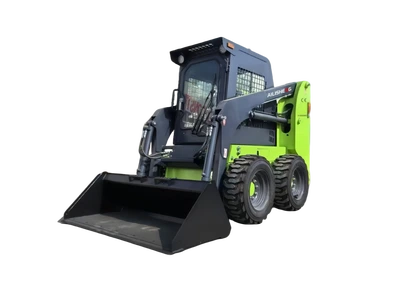
Electric skid steer loaders offer a practical option for many of these environments. Powered by rechargeable batteries, an Electric Skid Steer Loader can support material handling, debris removal, and site preparation while producing no exhaust emissions at the point of use during normal electric operation. Its compact design, responsive controls, and generally lower operating noise can help construction teams work more efficiently in suitable indoor settings.
Why Equipment Selection Matters in Indoor Construction
Indoor construction requires careful coordination between machinery, workers, materials, and existing infrastructure. Equipment that performs well outdoors may be unsuitable for narrow corridors, low ceilings, or occupied buildings.
Traditional diesel machinery can introduce exhaust emissions and additional noise into enclosed work areas. Depending on the application, it may also require ventilation arrangements and additional precautions to protect workers.
Electric equipment can address some of these challenges, provided the machine is designed for the intended environment. Selecting the right model helps contractors balance productivity, safety, maneuverability, and operating costs.
1. Reduced Exhaust Emissions in Enclosed Workspaces
One of the main advantages of battery-powered construction equipment is the absence of tailpipe exhaust emissions during normal electric operation. This can make electric skid steers suitable for certain indoor projects where diesel exhaust would otherwise require careful management.
Applications may include warehouse renovations, factory maintenance, commercial building construction, and work inside large parking structures.
However, the absence of exhaust emissions does not eliminate every indoor air-quality concern. Dust, fumes from other equipment, construction chemicals, and airborne particles may still require ventilation and protective measures. Contractors should follow workplace regulations and the manufacturer’s operating requirements.
2. Lower Noise Levels for Less Disruptive Work
Noise management is important when construction takes place near offices, retail spaces, residential buildings, or active industrial facilities. Excessive equipment noise can interfere with communication and disrupt nearby activities.
Electric skid steers generally operate more quietly than comparable diesel models because they do not use a combustion engine. This can make certain indoor tasks less disruptive, particularly during renovation and maintenance work in occupied buildings.
Reduced machine noise may also help workers communicate more effectively. Nevertheless, hydraulic systems, tires or tracks, attachments, and contact with construction materials still produce sound, so appropriate hearing protection and noise-control procedures may remain necessary.
3. Better Maneuverability in Confined Areas
Indoor construction sites frequently contain narrow access routes, structural columns, temporary barriers, and stored materials. Large equipment may struggle to reach these areas without additional repositioning or manual handling.
Skid steer loaders are designed to turn within relatively small spaces. Their compact configurations can make them useful for moving materials, clearing debris, and performing selected ground-level tasks in restricted work areas.
Before choosing a model, contractors should measure doorway widths, ceiling clearances, turning areas, and access ramps. The machine’s overall dimensions, operating weight, lift height, and turning characteristics must match the available space.
Compact equipment should never be assumed to fit every indoor environment without a site assessment.
4. Faster Material Handling and Debris Removal
Construction teams regularly need to move building materials, remove demolition waste, and clear work areas. Manual handling can consume considerable time, particularly when materials must be transported repeatedly across a large facility.
An electric skid steer can mechanize many of these tasks when the site layout and floor conditions permit. Compatible buckets and other attachments allow operators to move suitable materials efficiently and reduce reliance on manual transportation.
For example, during a warehouse renovation, a loader may help collect loose debris and transport materials between designated work zones. On a suitable indoor construction floor, it may also assist with moving sand, aggregate, or other approved materials.
The machine’s capacity must match the load, and contractors should verify floor load limits before bringing heavy equipment into an existing building.
5. Versatility Through Compatible Attachments
Indoor construction projects often involve multiple tasks, making equipment versatility valuable. A skid steer loader can support different operations by using attachments designed for the machine’s mounting and hydraulic specifications.
Common options include:
- Buckets: For collecting debris and moving suitable loose materials.
- Pallet forks: For handling compatible palletized supplies.
- Sweepers: For cleaning suitable floors and work areas.
- Grapples: For collecting and transporting certain irregular materials.
- Augers: For drilling where the indoor site layout, floor conditions, and work plan permit their use.
Not every attachment is suitable for indoor work. Contractors should consider overhead clearance, ventilation, dust generation, floor protection, hydraulic requirements, and the attachment’s operating envelope before use.
Using one compatible machine for several tasks may reduce the need to move multiple pieces of equipment around the site.
6. Potential Reductions in Operating Costs
Construction budgets are affected by energy consumption, maintenance, equipment availability, and labor productivity. Electric skid steers can reduce some recurring costs compared with conventional diesel machines, although the financial results vary by application.
Electric models do not require conventional engine oil changes or diesel fuel-system servicing. Their energy costs may also be lower when electricity is inexpensive relative to diesel fuel.
However, battery-powered machines still require hydraulic servicing, tire or track maintenance, electrical inspections, and battery care. Charging infrastructure, battery replacement, and the initial purchase price must also be included in a realistic cost comparison.
For indoor contractors, the most useful approach is to compare total ownership costs alongside productivity and site-specific operating requirements.
7. Improved Work Scheduling and Equipment Availability
Delays in indoor construction can affect several trades working within the same building. If material-handling equipment becomes unavailable, workers may need to change tasks or wait for alternative machinery.
Electric skid steers can support predictable work schedules when their battery capacity matches the workload and charging is planned effectively.
Contractors can improve equipment availability by:
- Scheduling charging during overnight periods or planned breaks.
- Monitoring battery levels throughout the shift.
- Matching machine capacity to the expected workload.
- Performing preventive maintenance at appropriate intervals.
- Ensuring charging equipment and electrical supplies are readily accessible.
For extended operations, project managers should assess whether one charge can support the required shift or whether additional charging time or equipment will be needed.
8. Suitable Applications Across Indoor Industries
Electric skid steer loaders can serve a variety of indoor construction and industrial applications, depending on machine specifications and site conditions.
Warehouse Construction and Renovation
During warehouse projects, compact loaders may assist with debris collection, material transportation, and selected site-preparation activities. Their maneuverability can be useful around designated work zones and storage areas.
Factory Maintenance
Industrial facilities may use compact electric equipment for certain maintenance and material-handling tasks. Reduced local emissions can be an advantage where combustion exhaust would complicate indoor operations.
Commercial Building Renovations
Renovation contractors often need to remove construction waste and transport materials through restricted areas. A suitable electric skid steer can help mechanize these tasks while limiting noise and exhaust-related disruption.
Underground Parking Facilities
Electric equipment may be useful for selected construction and maintenance activities in parking structures. However, ventilation, ramps, floor loading, headroom, and safe pedestrian separation must be assessed before operation.
9. Important Safety Considerations for Indoor Operation
Electric power does not automatically make a machine safe for every enclosed environment. Operators and site managers must evaluate the working area before using any heavy equipment indoors.
Important considerations include:
- Floor loading: Confirm that the floor can support the machine’s operating weight and concentrated wheel or track loads.
- Ventilation: Assess dust, fumes from other equipment, and other airborne hazards.
- Clearance: Check doorways, ceilings, beams, pipes, and overhead services.
- Pedestrian safety: Separate the equipment’s travel path from workers and other site users.
- Battery charging: Follow the manufacturer’s charging instructions and electrical safety procedures.
- Visibility: Use appropriate lighting, warning systems, and a trained spotter where necessary.
Operators should receive proper training and follow the manufacturer’s instructions regarding load limits, stability, attachment changes, and emergency procedures.
10. How to Choose an Electric Skid Steer for Indoor Projects
Selecting the right model begins with the site’s physical limitations and daily work requirements. A machine that is too large may restrict movement, while one with insufficient lifting capacity may slow the project.
Evaluate the following factors before purchasing or renting:
Machine dimensions: Confirm width, height, turning characteristics, and access clearances.
Rated operating capacity: Make sure the loader can safely handle the expected materials and attachments.
Battery runtime: Estimate energy requirements for a typical shift, including demanding tasks.
Charging requirements: Verify available electrical capacity, charging time, and equipment compatibility.
Floor compatibility: Check operating weight, ground pressure, and floor protection requirements.
Attachment support: Confirm hydraulic performance and compatibility with the tools needed for indoor work.
Service support: Review maintenance requirements, battery warranty coverage, and spare-parts availability.
A site assessment and a comparison of realistic operating costs can help identify the most appropriate machine for the project.
Frequently Asked Questions
Are electric skid steer loaders suitable for indoor construction?
Yes, appropriately designed models can be suitable for indoor construction, renovation, and material handling. Their lack of tailpipe exhaust emissions during normal electric operation and generally lower noise levels can be beneficial. Suitability still depends on machine dimensions, floor capacity, ventilation, and safety requirements.
Can electric skid steers operate inside warehouses?
They can operate in suitable warehouses when the floor, aisle widths, ceiling clearance, load requirements, and charging arrangements meet the machine’s specifications. Operators should also protect stored goods and maintain safe separation from pedestrians.
Do electric skid steers require less maintenance?
They generally require less engine-related maintenance because they lack conventional combustion engines. However, batteries, hydraulics, tires or tracks, electrical components, and safety systems still need regular inspections and servicing.
How long can an electric skid steer work indoors on one charge?
Operating time depends on battery capacity, workload, attachment use, surface conditions, and temperature. Contractors should consult model-specific specifications and assess performance under conditions similar to their intended application.
Can electric skid steers replace manual material handling?
They can reduce manual handling for suitable loads and tasks, but they cannot eliminate every manual operation. Access restrictions, load dimensions, floor limits, and safety requirements may still require alternative equipment or manual methods.
Conclusion
Electric skid steer loaders can improve efficiency in indoor construction by supporting material handling, reducing local exhaust emissions, lowering operating noise, and maneuvering through suitable confined spaces. Their versatility can also help contractors complete multiple tasks with compatible attachments while potentially reducing certain operating expenses.
To achieve these benefits, construction companies must choose equipment that matches the site’s dimensions, floor capacity, lifting requirements, and daily operating schedule. Careful planning of battery charging, preventive maintenance, and workplace safety helps ensure that electric skid steers contribute to productive and reliable indoor construction operations.