How pH Sensors Enhance Quality Control in Manufacturing

In modern manufacturing, maintaining consistent product quality is critical to ensuring customer satisfaction, regulatory compliance, and operational efficiency. Many industrial processes involve chemical reactions or formulations where the acidity or alkalinity of a solution plays a significant role. Monitoring these levels accurately is essential, and pH sensors have become a key tool for achieving precise control in production environments.
pH sensors measure the concentration of hydrogen ions in a solution and provide a digital or analog signal representing the pH value. These sensors allow manufacturers to track changes in real time and make immediate adjustments to maintain optimal conditions. For a detailed overview of how these devices work and their applications in various industries, you can refer to this in-depth guide on pH sensors, which highlights their operation and benefits in industrial settings.
Types of pH Sensors in Manufacturing
Manufacturing processes often demand sensors that are robust, fast-responding, and capable of withstanding harsh chemical environments. Common types of pH sensors used in industry include:
-
Glass Electrode Sensors: Known for high accuracy and reliability, glass electrodes are widely used in chemical, pharmaceutical, and food production.
-
ISFET Sensors (Ion-Selective Field Effect Transistors): These solid-state sensors offer rapid response times and excellent durability, making them suitable for automated production lines.
-
Combination Electrodes: Integrating both reference and measuring electrodes into a single unit, combination sensors simplify installation and reduce maintenance requirements.
Choosing the appropriate sensor type depends on factors such as the chemical composition of the production solution, temperature variations, and the required measurement range.
Role of pH Sensors in Quality Control
pH sensors are critical in maintaining quality standards throughout the manufacturing process. Precise pH control ensures that chemical reactions occur as intended, preventing defects and maintaining product consistency. For example, in the food and beverage industry, pH affects flavor, texture, and shelf life, while in pharmaceuticals, it influences drug stability and efficacy.
Real-time monitoring provided by pH sensors enables operators to detect deviations early and implement corrective actions. This proactive approach reduces waste, improves yield, and ensures that products consistently meet established specifications.
Calibration and Maintenance
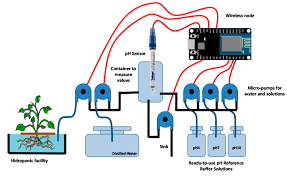
To guarantee accurate readings, pH sensors must be properly calibrated and maintained. Calibration typically involves using standard buffer solutions with known pH values to adjust the sensor’s output. Regular calibration compensates for electrode drift, contamination, and temperature variations, which can all affect measurement accuracy.
Maintenance practices include cleaning the electrode, inspecting for physical damage, and ensuring the reference solution is intact. Proper storage of electrodes when not in use is also crucial for extending sensor life and maintaining reliable performance in demanding manufacturing environments.
Applications Across Industries
The application of pH sensors in manufacturing spans multiple sectors:
-
Pharmaceuticals: Monitoring pH during drug formulation, fermentation, and quality control to ensure product efficacy and stability.
-
Food and Beverage: Controlling acidity during production to maintain taste, texture, and safety standards.
-
Chemical Manufacturing: Ensuring consistent chemical reactions, product composition, and safety in processes involving acids or bases.
-
Cosmetics and Personal Care: Maintaining pH balance in lotions, creams, and other formulations to prevent skin irritation and ensure product stability.
By integrating pH sensors into production systems, manufacturers can automate pH adjustments, reduce human error, and maintain continuous monitoring for improved overall efficiency.
Benefits of Using pH Sensors in Manufacturing
Incorporating pH sensors into manufacturing processes offers several advantages:
-
Improved Accuracy: Sensors provide precise, repeatable measurements for consistent product quality.
-
Real-Time Monitoring: Continuous data allows for immediate corrective actions, minimizing production errors.
-
Automation Integration: Sensors can be linked to automated control systems for seamless adjustments during production.
-
Durability and Reliability: Designed to withstand harsh chemical and temperature conditions, sensors provide long-term dependable performance.
These benefits help manufacturers reduce waste, optimize processes, and maintain high-quality standards across all production stages.
Conclusion
pH sensors are essential tools for enhancing quality control in manufacturing. Their ability to deliver accurate, real-time measurements ensures that chemical processes remain within the desired parameters, supporting product consistency, safety, and efficiency. Proper selection, calibration, and maintenance of pH sensors enable manufacturers to achieve reliable performance, minimize errors, and optimize production processes. Integrating these devices into quality control systems is a strategic step toward maintaining excellence and competitiveness in modern manufacturing.