How Xprinter Receipt Printers Support Efficient Point-of-Sale Operations
Point-of-sale (POS) systems are essential tools for businesses that process customer transactions, manage payments, and maintain sales records. Whether used in retail stores, restaurants, supermarkets, or service establishments, these systems help employees complete purchases and organize daily operations. Receipt printers are an important part of this setup because they provide customers with printed transaction details and support communication between different business processes.
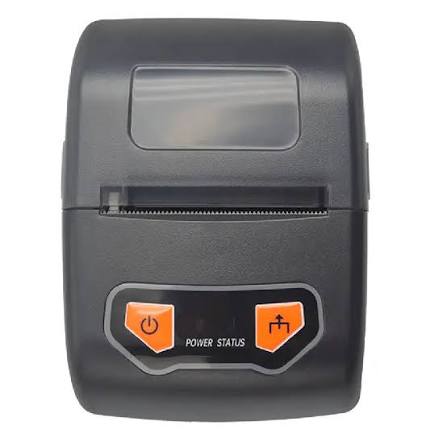
A reliable printing solution can make checkout procedures more organized, particularly in environments where transactions occur continuously. Businesses looking to improve their checkout workflows may consider an Xprinter Receipt Printer as part of a compatible POS configuration. Features such as printing speed, connectivity, paper handling, and system integration can influence how effectively a printer supports everyday operations.
1. Faster Transaction Processing
Checkout speed has a direct impact on customer experience, especially during busy business hours. When a transaction is completed, the POS system must process payment information and generate a receipt containing relevant purchase details.
Thermal receipt printers can produce printed records quickly because they use heat-sensitive paper rather than traditional ink cartridges. This technology eliminates the need for ink replacement and supports efficient receipt generation. Faster printing can help employees complete the final stage of a transaction without unnecessary delays.
For supermarkets, convenience stores, and restaurants, reducing small delays across numerous transactions can improve overall checkout efficiency.
2. Seamless Integration with POS Systems
A receipt printer must communicate properly with the POS terminal or software to perform its intended function. Compatible connections allow transaction information to move from the POS system to the printer automatically.
Depending on the model, receipt printers may support interfaces such as USB, serial, Ethernet, Bluetooth, or Wi-Fi. Each option serves different installation requirements.
For example:
- USB connectivity is commonly used for direct connections to POS computers.
- Serial connectivity can support compatible legacy systems and specialized terminals.
- Ethernet connectivity allows printers to operate through a wired network.
- Bluetooth connectivity can support compatible mobile POS devices.
- Wi-Fi connectivity can provide wireless printing where supported by the printer and software.
Before selecting a printer, businesses should verify that its communication interfaces and supported command languages are compatible with their existing POS environment.
3. Accurate and Consistent Receipt Generation
Accurate receipts are important for both customers and business records. A typical receipt may contain product descriptions, quantities, prices, taxes, discounts, payment methods, and transaction dates.
When printing equipment works correctly with POS software, this information can be transferred directly from the transaction record to the printed document. This reduces the need for employees to enter transaction details manually.
Consistent receipt formatting also makes information easier to review. Businesses can configure their POS systems to include relevant details, such as store addresses, return policies, customer service information, and transaction reference numbers.
4. Improved Customer Checkout Experience
The checkout process is often the final interaction customers have during an in-store purchase. A slow or unreliable printing process can create frustration, particularly when customers are waiting in line.
Receipt printers help complete transactions by providing a physical record of payment. Customers can use these receipts to verify purchases, check prices, request returns where applicable, or maintain personal expense records.
Clear text and properly aligned information are important for readability. Businesses should select suitable print resolution and paper specifications to ensure that receipts remain easy to understand.
5. Support for High-Volume Retail Environments
Retail businesses may process hundreds or thousands of transactions during a typical operating period. Their printing equipment must handle repeated use while maintaining consistent output.
In high-volume environments, factors such as printing speed, cutting mechanisms, paper capacity, and duty cycle become particularly important. A printer with suitable specifications can help checkout counters operate smoothly during peak shopping hours.
Businesses should also consider the expected number of daily transactions when choosing equipment. Selecting a model based on actual usage requirements helps prevent unnecessary strain and supports more predictable performance.
6. Reduced Routine Maintenance Requirements
Maintenance requirements can affect the long-term efficiency of POS equipment. Traditional impact printers use ribbons that require periodic replacement, while thermal receipt printers use heat-sensitive paper to produce images without conventional ink.
This can simplify routine maintenance because employees do not need to monitor ink or ribbon levels. However, thermal printers still require appropriate care to maintain print quality and reliable operation.
Basic maintenance practices include:
- Cleaning the print head according to manufacturer instructions.
- Removing paper dust and debris from the paper path.
- Using compatible thermal paper.
- Checking the cutter and feed mechanism for obstructions.
- Keeping the printer in a suitable operating environment.
- Replacing worn components when necessary.
Regular inspection can help identify minor problems before they interrupt checkout operations.
7. Flexible Use Across Different Business Types
POS systems are used in many industries, and their printing requirements vary. Retail stores generally need receipts containing product and payment information, while restaurants may require customer bills and kitchen order tickets.
Other applications include pharmacy transactions, hotel payments, ticket counters, and service business billing. A receipt printer with appropriate connectivity and software compatibility can support different workflows depending on its specifications.
For example, a small café may prioritize a compact printer that fits on a limited counter, whereas a supermarket may require a faster model designed for frequent transactions. Understanding the working environment helps businesses identify the most appropriate configuration.
8. Better Organization of Sales Records
Printed receipts provide a convenient way to document completed transactions. Although businesses increasingly store sales information digitally, physical receipts remain useful for customer records, accounting checks, and transaction verification.
POS software typically stores transaction data electronically, while the receipt printer produces a corresponding physical document. This combination allows businesses to maintain digital records while providing customers with printed proof of purchase.
Clear receipts can also help employees resolve customer questions about transaction amounts, discounts, and payment details. However, businesses should ensure that sensitive information is not unnecessarily included on printed documents.
9. Supporting Mobile and Flexible Checkout Setups
Mobile POS systems are increasingly used by businesses that need flexibility beyond traditional checkout counters. Restaurants may process payments at tables, while retail employees may assist customers in different areas of a store.
Compatible compact receipt printers can support these arrangements through suitable wireless or wired connections. Bluetooth and Wi-Fi models may be useful for mobile workflows, provided that the printer, POS device, and software support the same communication method.
Before implementation, businesses should test connection stability, operating range, device compatibility, and printing performance. These checks help prevent interruptions during customer transactions.
10. Choosing the Right Printer for POS Requirements
Selecting a suitable receipt printer involves more than comparing purchase prices. Businesses should evaluate the printer’s technical specifications in relation to their transaction volume, software environment, and installation conditions.
Important considerations include:
| Selection factor | Why it matters |
|---|---|
| Printing speed | Helps manage checkout volume and customer waiting times |
| Print resolution | Influences the clarity of text and graphics |
| Connectivity | Determines compatibility with POS terminals and networks |
| Paper width | Affects receipt layout and available information |
| Paper capacity | Influences how frequently employees replace paper rolls |
| Cutter mechanism | Supports convenient receipt separation |
| Software compatibility | Ensures communication with the POS application |
| Physical dimensions | Helps determine whether the printer fits the available workspace |
Businesses should also review technical documentation, supported operating systems, installation requirements, and available technical support before making a purchase.
Conclusion
Xprinter receipt printers can contribute to efficient point-of-sale operations by supporting fast transaction processing, accurate receipt generation, flexible connectivity, and organized customer records. Their role extends beyond printing payment confirmations, as they also help connect POS software with the physical checkout process.
To achieve reliable performance, businesses should choose equipment that matches their transaction volume, operating environment, and software requirements. Proper installation, compatible paper, and regular maintenance can further support consistent printing and smoother daily operations.