Essential Oil Painting Techniques for Creating Vibrant Pop Art Designs
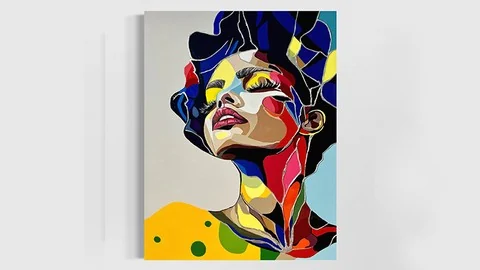
Pop Art is recognized for its energetic colors, recognizable imagery, bold outlines, and playful interpretations of popular culture. From celebrity portraits and comic-inspired illustrations to everyday consumer products, this artistic movement transforms familiar subjects into striking visual compositions. Although its appearance is often associated with commercial graphics and modern illustration, traditional painting methods can bring additional depth and individuality to Pop Art designs.
Combining classical oil painting methods with contemporary visual elements creates exciting opportunities for artistic experimentation. A Pop Art Oil Painting uses the flexibility of oil paints to develop vibrant colors, expressive textures, and distinctive compositions while maintaining the recognizable character of Pop Art. Understanding essential painting techniques can help artists achieve stronger visual results and develop a more personal approach to this creative style.
Understanding the Basics of Pop Art Oil Painting
Before exploring individual techniques, it is useful to understand what makes Pop Art visually distinctive. The movement emerged during the 1950s and became especially influential throughout the 1960s, drawing inspiration from advertising, comic books, celebrity culture, and everyday consumer products.
Its visual language commonly includes simplified shapes, bright colors, repeated imagery, and strong outlines. These characteristics create compositions that communicate ideas quickly while remaining visually engaging.
Oil painting introduces traditional artistic qualities into this modern approach. Its slow drying time, rich pigments, and blending capabilities allow painters to experiment with different effects while maintaining control over their compositions.
1. Mastering Color Blocking
Color blocking is one of the most useful techniques for creating recognizable Pop Art compositions. It involves applying solid areas of color to clearly defined sections of an image.
Rather than focusing on realistic shading, artists simplify subjects into distinct color regions. This creates the graphic appearance associated with classic Pop Art.
How to Apply Color Blocking
- Begin by sketching the main subject and identifying its major shapes.
- Divide the composition into clearly defined sections.
- Select a limited palette of contrasting colors.
- Apply paint evenly within each section.
- Allow the layers to dry before refining edges or adding details.
Oil paints can produce particularly rich color areas. Artists can also adjust their consistency and application methods to achieve either smooth or textured finishes.
2. Using Bold Outlines and Defined Shapes
Strong outlines help separate different elements within a composition. They are especially useful when painting portraits, comic-inspired subjects, and recognizable consumer products.
Artists can use smaller brushes to create controlled lines around important shapes. Dark outlines often provide strong definition, although other contrasting colors can also produce interesting results.
The key is consistency. Outlines should support the composition rather than overwhelm the subject.
Defined shapes also help simplify complicated references. By removing unnecessary details, artists can create images that remain recognizable while developing a distinctive graphic appearance.
3. Exploring Color Blending Techniques
Although Pop Art frequently uses flat color areas, blending remains valuable when working with oil paints. It allows artists to introduce subtle transitions and additional depth.
Oil paint stays workable for longer than many other painting materials, making it suitable for gradual color adjustments.
Direct Blending
Direct blending involves mixing two colors together on the canvas while they are still wet. This technique can create smooth transitions between neighboring color areas.
Dry Brushing
Dry brushing uses a relatively small amount of paint on a brush to create broken, textured strokes. It can be useful for adding surface details without completely covering the underlying layer.
Soft Transitions
Artists can blend neighboring shades to create subtle gradients. These effects work particularly well in backgrounds, facial details, and areas where additional dimension is needed.
The important consideration is maintaining the visual balance between smooth transitions and the bold color contrasts that define Pop Art.
4. Applying the Glazing Technique
Glazing is a traditional oil painting method that involves applying thin, transparent layers of paint over a sufficiently dry underlying surface.
This technique allows artists to modify existing colors without completely covering the details beneath them.
Glazing can be used to:
- Deepen the appearance of certain colors.
- Introduce subtle variations in tone.
- Create visual richness through transparent layers.
- Adjust the atmosphere of backgrounds.
- Develop greater depth in selected areas.
Because glazing requires careful preparation and drying between layers, it is generally more suitable for artists who are comfortable working with traditional oil painting processes.
5. Creating Texture with Impasto
Impasto is a technique in which paint is applied thickly, leaving visible brushstrokes or raised surfaces.
This method introduces a physical quality that contrasts with the clean graphic shapes commonly associated with Pop Art.
Artists can use palette knives or brushes to apply thicker layers in selected areas. For example, textured paint may emphasize highlights, background details, or particular elements within a portrait.
Using impasto selectively is important. Too much texture can compete with the simplified composition, while carefully placed thick strokes can make the artwork more expressive.
6. Experimenting with Stenciling
Stenciling helps artists create consistent shapes, repeated patterns, and clean graphic elements.
It is particularly useful for designs inspired by advertisements, comic books, packaging, and commercial illustration.
A stencil can be positioned over a prepared surface, allowing paint to be applied within a controlled area. Artists can use this approach to repeat shapes or introduce precise visual details.
Combining stenciling with freehand brushwork also creates an interesting contrast between controlled graphic elements and individual artistic expression.
7. Incorporating Halftone Patterns and Dots
Halftone patterns are strongly associated with traditional comic book printing and the work of Roy Lichtenstein.
These patterns use small dots arranged in particular densities to create the appearance of different tones and textures.
In oil painting, artists can reproduce this effect by applying carefully spaced dots with a small brush or suitable painting tool.
Halftone details work particularly well in portraits, backgrounds, and comic-inspired compositions. They help establish a connection with the printed visual language that influenced early Pop Art.
8. Using Repetition to Create Visual Rhythm
Repetition is another important feature of Pop Art. Showing the same subject multiple times can create movement, structure, and visual consistency.
Andy Warhol famously explored repetition through portraits and consumer product imagery.
Artists working with oil paints can use this technique by repeating an object or image across a canvas while changing its color, background, or orientation.
For effective results, maintain consistent proportions while introducing enough variation to keep the composition interesting.
9. Choosing the Right Brushes and Painting Tools
The tools used during painting influence the appearance and precision of the finished artwork.
Different brushes serve different purposes, and having a basic selection can make the painting process more manageable.
| Painting Tool | Common Purpose |
|---|---|
| Flat brushes | Applying broad areas of color |
| Round brushes | Adding fine details and controlled lines |
| Filbert brushes | Blending and creating rounded strokes |
| Fan brushes | Producing specialized textures |
| Palette knives | Applying thick paint and creating impasto |
| Small detail brushes | Refining outlines and intricate elements |
Artists do not need an extensive collection of equipment to begin. A carefully selected range of brushes and painting tools is often sufficient for experimenting with Pop Art techniques.
10. Preparing the Canvas for Better Results
Canvas preparation is an important part of traditional oil painting. A properly prepared surface helps paint adhere effectively and supports the development of multiple layers.
Most artists work with canvas that has been primed with an appropriate ground, commonly acrylic or oil-based gesso.
Before painting, consider these preparation steps:
- Check that the canvas surface is properly primed.
- Allow the preparation layer to dry according to the product instructions.
- Sketch the main composition using suitable drawing materials.
- Establish the placement of important shapes and outlines.
- Plan the color palette before applying the first major paint layers.
Good preparation can reduce unnecessary corrections and make it easier to maintain a clear composition.
Common Mistakes to Avoid When Creating Pop Art Designs
Experimentation is an important part of developing artistic skills, but certain mistakes can make a composition less effective.
Using too many colors: An uncontrolled color palette can make the artwork feel visually crowded. Selecting a focused group of complementary or contrasting shades often produces stronger results.
Overcomplicating the subject: Excessive detail can weaken the simplified appearance associated with Pop Art. Focus on the most recognizable features of the subject.
Ignoring composition: Bright colors cannot compensate for poor visual arrangement. Consider proportions, spacing, and focal points before beginning.
Applying excessive texture: Thick brushwork can be effective, but it should support the design rather than distract from its main elements.
Rushing the drying process: Oil paints require appropriate drying time between certain techniques, particularly glazing and layered applications. Follow suitable drying and painting practices.
Developing a Personal Pop Art Painting Style
Learning traditional techniques provides a foundation, but developing an individual artistic identity requires experimentation.
Artists can begin with familiar subjects such as portraits, household products, food items, or entertainment imagery. They can then explore different combinations of color, composition, outlines, and surface textures.
Studying influential Pop Art artists can also provide useful inspiration. However, the goal should be to understand their methods rather than simply reproduce existing compositions.
Combining graphic elements with personal experiences, contemporary references, and traditional painting techniques can lead to more original work.
Conclusion
Creating vibrant Pop Art designs with oil paints involves balancing bold visual elements with traditional artistic craftsmanship. Techniques such as color blocking, glazing, impasto, stenciling, blending, and repetition provide different ways to develop striking compositions.
Each method contributes something unique, whether it is stronger color definition, additional texture, or greater visual depth. By understanding these techniques and practicing them thoughtfully, artists can explore the expressive possibilities of Pop Art while developing their own creative approach.