Freeze-Dried Duck: Nutritional Benefits and Growing Applications in Premium Pet Food
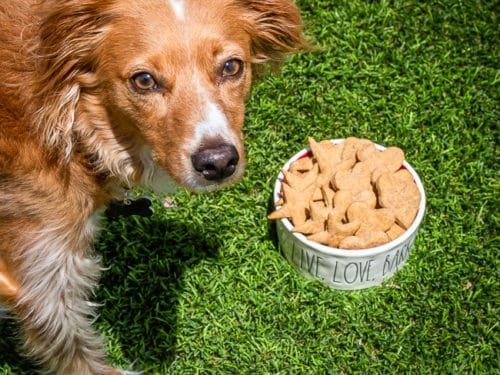
Duck has become an increasingly interesting protein choice in the pet food industry as manufacturers explore alternative animal ingredients and premium treat options. Its distinctive flavor, naturally occurring nutrients, and versatility make it suitable for a range of dog and cat food products. Freeze-drying provides another way to use duck by removing most of its moisture while preserving much of its original structure, aroma, and taste.
As pet owners pay closer attention to ingredient quality and product composition, manufacturers are exploring new ways to incorporate duck into treats, meal toppers, and specialized food formulations. Freeze Dried Duck offers a convenient ingredient format for businesses developing premium pet products, particularly those focused on recognizable animal proteins and convenient storage. Understanding its nutritional properties, processing requirements, and commercial applications can help manufacturers make informed product development decisions.
What Is Freeze-Dried Duck?
Freeze-dried duck is produced by freezing prepared duck meat or other suitable duck ingredients and removing most of their moisture under vacuum conditions. During the process, frozen water changes directly into vapor through sublimation.
Unlike conventional high-temperature drying, freeze-drying uses relatively low product temperatures during moisture removal. This helps preserve the ingredient’s recognizable structure, flavor, and aroma.
Depending on the intended application, duck can be processed into several formats:
- Duck meat chunks: Larger pieces for standalone dog and cat treats.
- Small duck cubes: Convenient portions for training rewards.
- Duck strips: Suitable for chew-style snack products, depending on their size and texture.
- Duck crumbles: Small fragments for meal toppers and treat blends.
- Duck powder: A finely processed ingredient for selected food formulations.
- Custom-cut pieces: Formats developed to meet specific manufacturing and packaging requirements.
These options allow manufacturers to develop products for different pet sizes, preferences, and retail categories.
Nutritional Benefits of Duck for Dogs and Cats
Duck provides several naturally occurring nutrients that can contribute to a pet food formulation. Its nutritional composition varies according to the cut, fat content, raw material quality, and processing method.
1. High-Quality Animal Protein
Duck meat supplies animal-based protein containing amino acids needed for normal muscle maintenance, tissue development, and other essential body functions.
Protein is an important part of a balanced diet for both dogs and cats. Freeze-dried duck can contribute to the protein content of treats and food products, although its suitability depends on the overall formulation.
2. Naturally Occurring Fat and Energy
Duck contains fat, with levels varying according to the cut and whether the skin is included. Fat provides concentrated energy and contributes to the flavor and texture of pet food.
Manufacturers should monitor fat content when developing freeze-dried products, particularly when targeting pets that need controlled calorie intake. Finished-product specifications can help maintain consistency between batches.
3. B Vitamins
Duck meat contains several B vitamins that support normal metabolic processes.
Examples include:
- Vitamin B12: Contributes to normal nerve function and red blood cell formation.
- Niacin (B3): Supports energy metabolism.
- Riboflavin (B2): Helps the body process nutrients.
- Vitamin B6: Participates in amino acid metabolism and other physiological functions.
Actual nutrient levels depend on the ingredient and processing conditions. Manufacturers should use appropriate nutritional analysis when making product composition claims.
4. Essential Minerals
Duck can provide minerals such as iron, phosphorus, zinc, and selenium. These nutrients contribute to normal oxygen transport, bone structure, immune function, and metabolic activity.
The mineral profile differs between cuts and formulations. A complete nutritional assessment is important when duck is included in products intended to provide a substantial portion of an animal’s daily diet.
5. Distinctive Flavor and Aroma
Duck has a characteristic savory flavor that can make it an appealing ingredient in premium pet treats. Freeze-drying helps retain much of this recognizable aroma and taste.
This can be useful when manufacturers want to create products with a distinctive animal-protein profile. However, individual pets have different preferences, so palatability testing can help evaluate customer acceptance.
How Freeze-Dried Duck Is Manufactured
Consistent freeze-dried duck products require careful raw material selection, preparation, processing, and packaging.
Step 1: Raw Material Sourcing
Production starts with selecting suitable duck meat from approved suppliers. Manufacturers should evaluate freshness, handling history, traceability, and compliance with relevant sourcing requirements.
Raw material specifications help ensure that incoming ingredients meet established quality expectations.
Step 2: Cleaning and Preparation
Duck meat is prepared according to the product specification. This may include trimming, removing unwanted material, separating skin when required, and cutting the meat into uniform pieces.
Consistent sizing helps support predictable freezing and drying. Hygienic handling is particularly important when working with raw poultry ingredients.
Step 3: Freezing
The prepared duck is frozen under controlled conditions. Freezing converts the water inside the meat into ice, preparing it for moisture removal.
Uniform freezing can contribute to more consistent drying results across a production batch.
Step 4: Primary Drying
The frozen material enters a vacuum drying chamber. Under reduced pressure, ice changes directly into water vapor through sublimation.
This stage removes a large proportion of the ingredient’s moisture while helping preserve its structure.
Step 5: Secondary Drying
Some moisture may remain after primary drying. Secondary drying removes additional moisture to meet the required finished-product specifications.
Manufacturers monitor moisture content and water activity to assess product stability and consistency.
Step 6: Inspection and Packaging
The finished duck is checked against established specifications for appearance, texture, size, moisture, and other relevant quality characteristics.
It is then packed in protective packaging designed to limit exposure to humidity and other environmental factors. Proper sealing is important for maintaining product quality during storage and transportation.
Why Freeze-Drying Is Valuable for Premium Pet Food
Freeze-drying offers several practical advantages for manufacturers developing premium pet products.
Retention of Natural Ingredient Characteristics
The relatively low-temperature drying process can help preserve much of the duck’s original structure, flavor, and aroma. This makes it suitable for products where recognizable animal ingredients are an important selling point.
Nutrient retention varies by nutrient and processing conditions, so manufacturers should avoid assuming that every nutrient remains unchanged.
Lightweight and Convenient Format
Removing most of the moisture reduces the product’s weight. This can make freeze-dried duck easier to portion, package, transport, and incorporate into different product formats.
Versatile Product Development
Duck can be processed into cubes, chunks, crumbles, strips, or powder. This flexibility supports a range of product concepts, from simple treats to more complex formulations.
Reduced Moisture and Storage Convenience
Freeze-dried duck generally has lower moisture and water activity than fresh duck. When properly processed and packaged, this can support storage without refrigeration.
However, low moisture does not mean the product is sterile. Freeze-drying does not necessarily eliminate harmful microorganisms, so appropriate food-safety controls remain essential.
Growing Applications of Freeze-Dried Duck in Pet Food
Duck’s flavor and processing versatility make it useful across several premium pet food categories.
1. Single-Ingredient Dog Treats
Freeze-dried duck meat can be sold as a standalone dog treat. Products containing one clearly identified animal ingredient may appeal to pet owners who prefer simple ingredient lists.
Manufacturers can offer different piece sizes to suit training, everyday rewards, and larger snack portions.
2. Cat Treats
Duck can also be used in freeze-dried cat treats. Small meat cubes or bite-sized pieces provide a convenient format for rewarding cats.
Because cats have individual preferences, manufacturers may develop different textures and sizes to evaluate palatability and consumer demand.
3. Training Rewards
Small freeze-dried duck pieces can be useful as training rewards for dogs. Their concentrated flavor and convenient size make portioning easier during repeated training sessions.
Manufacturers should consider the finished treat’s calorie content when determining recommended serving sizes.
4. Meal Toppers
Duck crumbles and powder can be incorporated into meal toppers designed to add flavor to regular pet food.
These products are generally supplemental. They should not be presented as complete meals unless they have been specifically formulated and evaluated to meet the relevant nutritional requirements.
5. Mixed-Protein Treats
Duck can be combined with other animal ingredients, including chicken, beef, or fish, to create varied treat textures and flavor profiles.
Manufacturers should ensure that every ingredient is properly identified and that the finished formulation meets applicable labeling and safety requirements.
6. Complete Freeze-Dried Pet Food
Duck can serve as one component in complete freeze-dried dog or cat food recipes. It may be combined with muscle meat, organs, appropriate sources of other nutrients, and carefully selected additional ingredients.
A complete food must meet the nutritional requirements of its intended species and life stage. The inclusion of duck alone does not make a product nutritionally complete.
Is Duck a Suitable Alternative Protein for Pets?
Duck is sometimes used in products marketed for pets with food sensitivities. However, it is important to understand the distinction between an alternative protein and a proven hypoallergenic ingredient.
A pet may tolerate duck if it has not previously developed a reaction to that protein, but no animal protein is universally suitable for every pet.
For dogs or cats with suspected food allergies, veterinarians may recommend a properly managed elimination diet using selected novel or hydrolyzed proteins. Treats containing other animal ingredients can interfere with that process.
Manufacturers should therefore avoid broad claims that duck is hypoallergenic or suitable for all pets with allergies. Clear ingredient declarations and accurate product information are more responsible approaches.
Quality Standards for Freeze-Dried Duck
Reliable production requires documented quality specifications and controls throughout the manufacturing process.
1. Raw Material Quality and Traceability
Suppliers should provide information about ingredient origin, handling, and batch identification.
Important checks include:
- Approved supplier procedures
- Raw material inspection records
- Ingredient traceability
- Appropriate temperature control before processing
- Documented acceptance and rejection criteria
Traceability supports quality management and helps businesses investigate potential concerns.
2. Moisture Content and Water Activity
Moisture content measures the amount of water present in the product. Water activity measures the availability of water for microbial growth and certain deterioration processes.
Both can be important indicators of freeze-dried duck quality. Manufacturers should establish suitable limits based on product design, packaging, storage conditions, and shelf-life validation.
3. Microbiological Safety
Freeze-drying reduces moisture but does not necessarily destroy pathogens. Harmful microorganisms may survive in low-moisture foods even when they cannot readily grow.
Manufacturers should implement suitable food-safety controls, which may include:
- Hygienic production practices
- Sanitation and contamination prevention
- Validated pathogen control measures
- Appropriate microbiological testing
- Environmental monitoring where relevant
- Documented corrective actions
Testing programs should reflect the product’s risk profile and applicable regulatory requirements.
4. Physical and Sensory Quality
Finished products should meet agreed standards for color, shape, texture, aroma, and piece size.
Buyers may inspect samples for excessive powder, inconsistent pieces, unusual discoloration, or unexpected odors. Sensory and physical inspections help maintain consistent product presentation.
5. Packaging and Shelf-Life Validation
Freeze-dried duck can absorb moisture from the surrounding environment. Packaging should therefore provide a suitable moisture barrier and maintain reliable seals.
Manufacturers should evaluate packaging performance and establish shelf-life recommendations using appropriate testing and storage studies rather than relying on assumptions.
How to Select a Reliable Freeze-Dried Duck Supplier
Choosing the right supplier is important for pet food brands, wholesalers, and private-label manufacturers.
Consider the following factors before placing a commercial order:
| Evaluation factor | What to check |
|---|---|
| Ingredient sourcing | Raw material origin and supplier approval |
| Product specifications | Piece size, moisture, water activity, and appearance |
| Processing methods | Documented freezing and drying procedures |
| Food safety | Hygiene controls and microbiological testing |
| Certifications | Relevant, current quality and food-safety certifications |
| Production capacity | Ability to support ongoing order volumes |
| Customization | Available cuts, sizes, and product formats |
| Packaging | Moisture protection and packaging options |
| Supply reliability | Lead times, batch consistency, and delivery arrangements |
Requesting product samples can help buyers evaluate texture, aroma, appearance, and suitability for their intended applications. Written specifications and clear acceptance criteria can also reduce misunderstandings during repeat orders.
Storage and Handling Recommendations
Appropriate storage helps preserve the quality of freeze-dried duck after manufacturing.
- Store unopened products in their original sealed packaging.
- Keep them in a cool, dry location.
- Protect them from direct sunlight and excessive heat.
- Reseal opened packages promptly.
- Use clean, dry utensils when handling the product.
- Follow the supplier’s recommended storage conditions and shelf-life guidance.
If the product is rehydrated, it should be handled like other moist animal-based foods. Follow preparation instructions and refrigerate or discard leftovers according to the manufacturer’s guidance.
Market Opportunities for Freeze-Dried Duck Products
The premium pet food category provides several opportunities for businesses interested in developing duck-based products.
Demand for Recognizable Ingredients
Some pet owners prefer products that clearly identify their animal protein sources. Single-ingredient duck treats can meet this preference when their ingredient composition and labeling are accurate.
Expansion of Premium Treat Formats
Brands can explore different shapes, textures, and package sizes to reach customers looking for convenient rewards and specialty snacks.
Private-Label Manufacturing
Retailers and pet food businesses may use customized freeze-dried duck products to expand their own branded treat selections. Custom piece sizes, packaging formats, and product specifications can support different commercial requirements.
Product Portfolio Diversification
Duck can help manufacturers broaden their animal-protein range beyond more commonly used ingredients. It may be offered alongside chicken, beef, turkey, or fish products to create a wider selection.
Businesses should evaluate these opportunities using market research, production costs, regulatory requirements, and customer feedback.
Conclusion
Freeze-dried duck is a versatile animal-based ingredient with potential applications in premium dog treats, cat snacks, training rewards, meal toppers, and complete pet food formulations. Its naturally occurring protein, fat, vitamins, minerals, and distinctive flavor make it a useful option for manufacturers developing varied product lines.
Successful production depends on more than the freeze-drying process itself. Responsible sourcing, hygienic handling, controlled moisture removal, appropriate microbiological safety measures, and protective packaging are essential for maintaining product quality.
For pet food manufacturers and buyers, understanding these factors can support better supplier selection, more consistent production, and the development of freeze-dried duck products that meet the expectations of modern pet owners.