How Production Speed Is Measured in Case Erector Machines
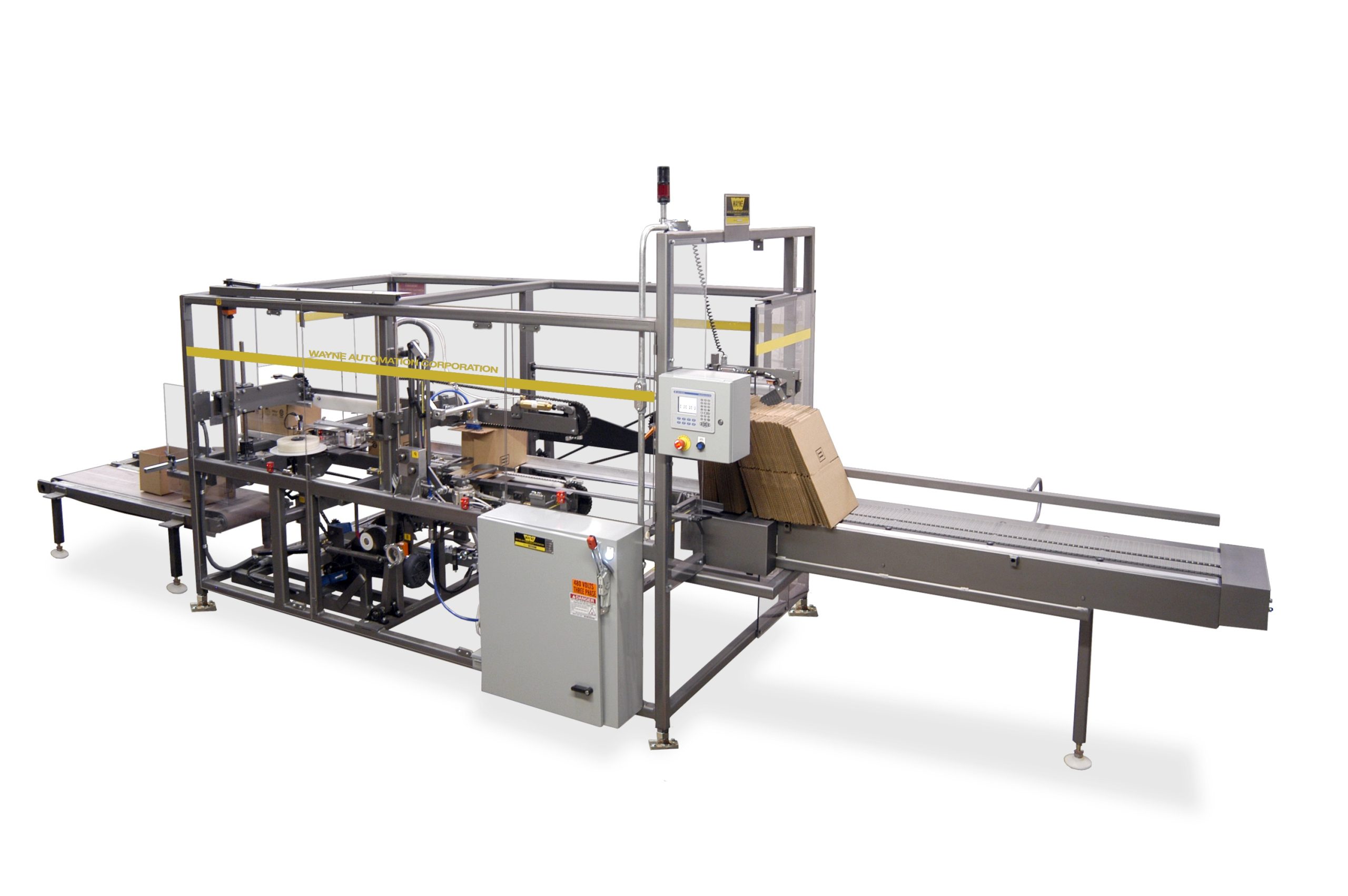
Production speed is an important specification when evaluating automated packaging equipment. For case erecting systems, speed generally refers to how many cartons the machine can open, square, and prepare within a given period. However, the advertised maximum rate does not always represent the output a packaging line will achieve during normal production.
When comparing a Case Erector Machine, manufacturers should look beyond a single cases-per-minute figure. Carton dimensions, material, machine configuration, changeovers, operator involvement, and downstream equipment can all influence actual throughput.
What Does Case Erector Speed Mean?
Case erector speed is commonly expressed as cases per minute, or CPM. This measurement indicates how many cartons the machine can theoretically process within one minute under defined operating conditions.
For example, a specification of 20 cases per minute suggests that the equipment can erect approximately 20 cases per minute under the conditions used to establish that rating.
The figure is useful for comparing equipment, but it should be treated as a reference rather than a guarantee of continuous production output.
Maximum Speed vs. Actual Production Speed
One of the most important distinctions is between maximum machine speed and real-world production speed.
A machine may be capable of reaching a specified maximum rate during controlled testing. In an operating facility, however, production may involve carton replenishment, format changes, minor stoppages, inspections, and other activities that reduce the average rate.
For this reason, businesses should estimate expected throughput based on realistic operating conditions rather than selecting equipment solely because it has the highest advertised speed.
Factors That Affect Case Erector Speed
Several variables can influence how quickly cases can be processed. Understanding these factors makes it easier to interpret machine specifications.
Carton Dimensions
Large cartons may require different handling characteristics than smaller cases. Their size and weight can affect how quickly they can be opened, squared, and transferred through the machine.
If a facility uses several carton formats, the expected speed should be evaluated across the full range rather than using the rate of only one standard box.
Carton Material
The stiffness and quality of corrugated board can affect case erection. Cartons that are warped, damaged, excessively flexible, or otherwise inconsistent may require additional handling or cause interruptions.
Consistent carton quality can therefore contribute to more stable production speeds.
Carton Style
Different case styles may require different folding and handling sequences. A machine’s speed rating may apply to specific carton configurations rather than every possible case style.
When reviewing specifications, manufacturers should confirm which carton types were used to establish the stated output.
How Cases Per Minute Is Calculated
At a basic level, production speed can be calculated by dividing the number of successfully erected cases by the production time.
For example:
Production speed = Number of completed cases ÷ Operating time
If a machine produces 900 acceptable cases during 45 minutes of actual running time, its average operating rate would be:
900 ÷ 45 = 20 cases per minute
This calculation reflects the average rate during the measured operating period. If downtime and changeovers are included, the overall hourly production rate will be lower.
Understanding Effective Throughput
Effective throughput provides a more realistic picture of packaging performance because it considers the time when the machine is not producing cases.
A facility may operate an erector at 20 cases per minute while it is running, but its overall production rate may be lower because of material replenishment, maintenance, setup, and other interruptions.
This distinction is particularly important when comparing packaging lines. Two machines with similar maximum speeds can have different effective outputs if one requires more frequent adjustments or experiences more downtime.
The Role of Changeovers
Facilities that use multiple carton sizes need to account for changeover time when estimating production speed.
Switching from one carton format to another may require adjustments to guides, conveyors, folding mechanisms, or other components. The longer these adjustments take, the more they can affect overall production capacity.
A machine with slightly lower maximum speed but faster and simpler format changes may deliver better overall productivity in a facility that frequently switches carton sizes.
Continuous vs. Intermittent Production
Production speed can also depend on whether the machine operates continuously or experiences frequent starts and stops.
A steady flow of correctly prepared cartons allows the equipment to maintain a more consistent operating rate. Interruptions caused by upstream or downstream equipment can reduce the number of cases produced over an entire shift.
Therefore, the performance of a case erector should be considered as part of the complete packaging line.
Downstream Equipment Can Limit Output
Even if the case erector can operate at a high rate, other equipment may create a bottleneck.
For example, if the erector can prepare 25 cases per minute but the downstream packing equipment can process only 18, increasing the erector’s speed will not increase total line output.
Conveyors, case packers, case sealers, labeling systems, inspection equipment, and palletizing systems should therefore be considered when establishing the required machine speed.
Measuring Speed During a Production Trial
A production trial can provide more useful information than a specification sheet alone. Testing representative cartons under realistic conditions can show how the equipment performs with actual packaging materials.
During a trial, businesses can monitor:
- Cases produced per minute
- Total operating time
- Number of stoppages
- Changeover duration
- Carton-related faults
- Manual interventions
- Successfully erected cases
- Rejects or improperly formed cases
These measurements help establish a more practical expectation for production performance.
Why Consistency Matters Alongside Speed
High speed has limited value if the machine frequently produces incorrectly erected cases. Poorly squared cartons can create problems for subsequent packing and sealing processes.
Consistent case formation can help maintain smooth material flow through the packaging line. As a result, businesses should evaluate speed together with reliability, case quality, and uptime.
A slightly slower machine that consistently produces acceptable cases may be more useful than a faster system that requires frequent intervention.
Speed and Machine Utilization
Machine utilization measures how effectively available production time is being used. High utilization generally requires more than simply increasing the machine’s running speed.
Reducing unnecessary stoppages, maintaining equipment properly, keeping carton supplies available, and minimizing changeover time can all improve utilization.
This means production teams should consider both how fast the machine runs and how much of the scheduled production period it actually spends producing cases.
Choosing the Right Speed for Your Operation
The ideal machine speed depends on the requirements of the packaging line. A high-volume facility may need a faster system, while a smaller operation may gain little from paying for capacity it rarely uses.
Important considerations include:
- Required cases per minute
- Average and peak production demand
- Number of carton formats
- Frequency of changeovers
- Available operating hours
- Upstream and downstream line speeds
- Expected future production growth
- Required level of automation
Evaluating these factors together can help prevent both under-sizing and unnecessary investment in excessive capacity.
Conclusion
Production speed in case erector machines is commonly measured in cases per minute, but this figure should not be viewed in isolation. Actual output depends on carton characteristics, machine settings, changeover requirements, downtime, operator involvement, and the performance of connected packaging equipment.
For a more accurate evaluation, manufacturers should compare maximum rated speed with expected effective throughput under real operating conditions. Techflow Pack provides packaging automation solutions that can be assessed according to specific carton formats, production requirements, and line configurations.