How to Choose a Reliable Food Metal Detector Manufacturer
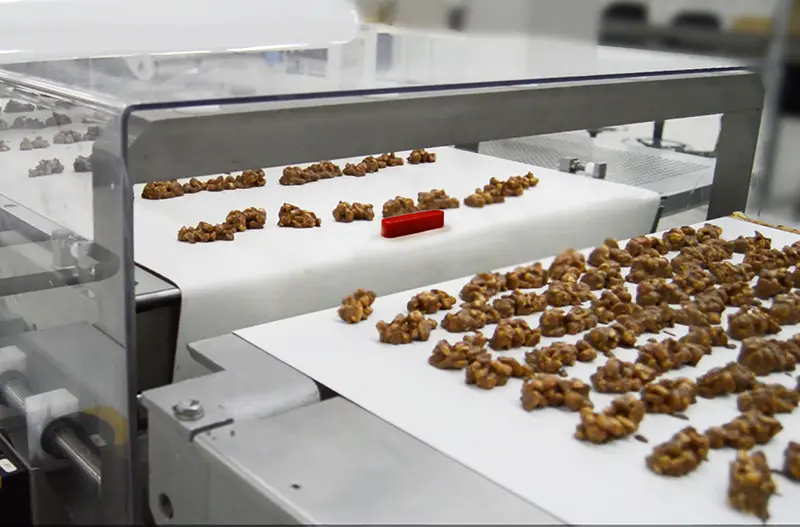
Food safety is one of the highest priorities in the food processing industry. Even small metal contaminants can compromise product quality, damage equipment, and lead to costly recalls. Investing in reliable inspection equipment starts with choosing the right manufacturer, as the quality of the machine often reflects the expertise behind it.
A dependable manufacturer should provide advanced technology, consistent product quality, and responsive customer support. When evaluating a Food Metal Detector Manufacturer, it is important to consider factors such as industry experience, certifications, detection accuracy, and after-sales service instead of focusing only on the purchase price.
Look for Industry Experience
Experience is one of the strongest indicators of a reliable manufacturer. Companies that have been serving the food industry for years are more likely to understand different production environments and the challenges they present.
Manufacturers with experience across multiple sectors, including dairy, meat, bakery, seafood, and frozen foods, are often better equipped to recommend solutions that match your operational needs.
Verify Quality Standards and Certifications
Quality certifications show that a manufacturer follows recognized production and quality control processes. Reliable manufacturers typically comply with international standards that help ensure equipment performance and safety.
Common certifications to look for include:
- ISO quality management certification
- CE certification
- HACCP compatibility
- FDA compliance where applicable
These certifications provide greater confidence in the reliability and consistency of the equipment.
Evaluate Detection Performance
A food metal detector should accurately identify different types of metal contaminants while minimizing false alarms. Strong detection performance improves food safety and reduces unnecessary product waste.
A quality system should reliably detect:
- Ferrous metals
- Non-ferrous metals
- Stainless steel contaminants
Consistent accuracy is essential for maintaining both regulatory compliance and customer trust.
Consider Customization Options
Every production facility has unique requirements. A reliable manufacturer should offer equipment that can be customized to suit different conveyor sizes, packaging materials, production speeds, and environmental conditions.
Flexible solutions help businesses integrate metal detection systems into existing production lines with minimal disruption.
Assess Customer Support
The relationship with a manufacturer does not end after installation. Reliable technical support helps reduce downtime and ensures equipment continues to perform efficiently over time.
Look for manufacturers that provide:
- Installation assistance
- Operator training
- Preventive maintenance
- Spare parts availability
- Technical troubleshooting
- Software updates when required
Strong after-sales support can significantly extend the lifespan of your equipment.
Review Customer Feedback
Customer reviews and case studies can offer valuable insights into both product performance and service quality. Positive feedback from food manufacturers often reflects dependable equipment, responsive support, and long-term reliability.
Reading independent reviews can help you make a more informed purchasing decision.
Compare Overall Value Instead of Price
While budget is an important consideration, the cheapest option is not always the most cost-effective. Lower-quality equipment may result in higher maintenance costs, more downtime, and reduced detection accuracy.
Instead, compare manufacturers based on:
- Product quality
- Detection performance
- Warranty coverage
- Service support
- Maintenance requirements
- Expected equipment lifespan
Focusing on long-term value often leads to a better return on investment.
Think About Future Growth
As production expands, your inspection equipment should be capable of supporting increased capacity and new product lines. Choosing a manufacturer that offers scalable solutions can reduce future upgrade costs and simplify business growth.
Planning ahead ensures your investment continues to meet operational demands as your company evolves.
Conclusion
Choosing a reliable food metal detector manufacturer requires careful evaluation of experience, certifications, product quality, technical support, and long-term value. By taking the time to assess these factors, food businesses can improve product safety, reduce contamination risks, and maintain compliance with industry regulations. A well-chosen manufacturer provides not only dependable equipment but also the ongoing support needed for efficient and safe food production.