Human Blood Fast Test Kit for Coronavirus: Uses and Testing Insights
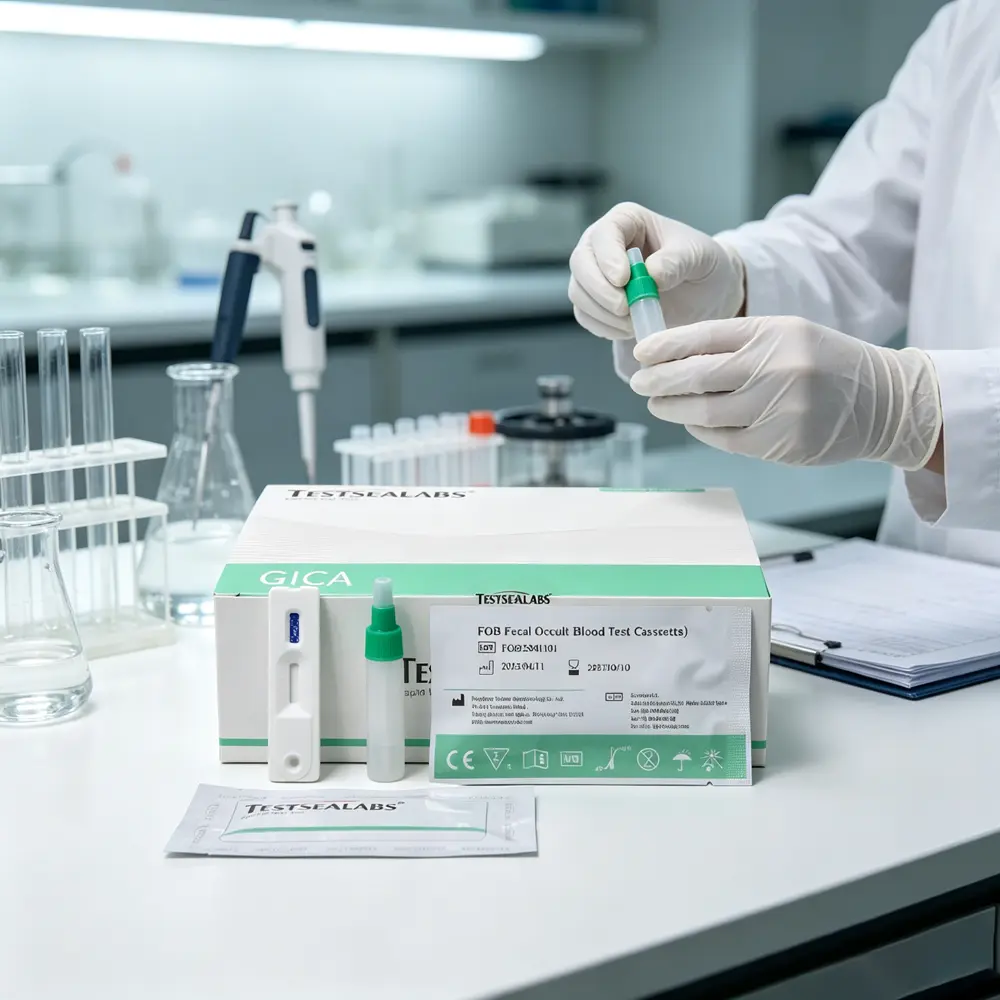
Blood-based rapid tests have been developed for different diagnostic purposes, including the detection of antibodies associated with certain infections. In coronavirus testing, a blood specimen may be used by an antibody assay to identify an immune response to SARS-CoV-2. This is different from a respiratory test that looks directly for viral material. Knowing which type of evidence a kit detects is essential before interpreting its result or deciding whether it is suitable for a particular situation.
A Human Blood Fast Test Kit Coronavirus Rapid Test may refer to a rapid assay that uses blood to detect coronavirus-related antibodies. The exact purpose depends on the product’s design and labeling. Such a test should not automatically be considered a method for diagnosing an active COVID-19 infection. Antibody tests generally answer questions about immune response or previous exposure, rather than whether a person is currently carrying detectable virus in the respiratory tract.
Why Blood May Be Used in Antibody Testing
When the immune system encounters a virus, it can produce antibodies that recognize specific viral components. These antibodies circulate in the blood and may be measured using laboratory assays or rapid devices. Some tests are designed to detect IgM, IgG, or another defined antibody target.
Blood-based testing can be useful in selected investigations where an immune response is the focus. The result may contribute to an assessment of previous exposure or, depending on the assay, a response following vaccination. However, antibody development takes time, and the amount detected can vary between people.
A blood antibody result therefore cannot reliably establish the exact date of infection. It also does not necessarily indicate whether a person is currently infectious.
How a Rapid Blood Test May Be Performed
The procedure varies by product, but some rapid antibody kits use a small capillary blood sample collected from a fingertip. Other assays may require serum or plasma prepared from a larger blood specimen. The package insert must specify the accepted sample type.
For a finger-prick test, the operator prepares the testing area and uses the supplied lancet according to the instructions. The required amount of blood is transferred to the device, followed by the specified buffer or reagent. The device is left for the stated period before the result is read.
Professional-use products should be handled by trained personnel. Safe collection requires appropriate protective equipment, hand hygiene, and disposal of lancets and other contaminated materials in suitable sharps or clinical waste containers. A lancet should never be shared or reused.
Why It Is Not the Same as a COVID-19 Antigen Test
A respiratory antigen test looks for viral proteins in a nasal or other approved respiratory specimen. A molecular test looks for viral genetic material. These methods are intended to investigate current infection.
An antibody test instead looks for the body’s immune response. A positive result may reflect previous infection or vaccination, depending on the assay target. A negative result may occur because antibodies have not yet developed to detectable levels or because the test does not detect the particular response present.
If someone has new respiratory symptoms and needs to know whether they may currently have COVID-19, a healthcare professional can advise on an appropriate antigen or molecular test. A blood antibody test should not be used as a substitute unless a clinician has a specific reason for requesting it.
What to Check Before Selecting a Kit
Review the product’s intended use, antibody target, specimen requirements, performance information, storage range, expiration date, and regulatory status. Confirm whether it is authorized for professional use or self-testing in the relevant location. Do not assume that a product described as rapid is automatically approved for home use.
Healthcare providers should also consider quality-control procedures, staff training, and safe specimen handling. Buyers should request clear documentation and verify that the product matches the intended testing purpose.
Interpreting Results Responsibly
A positive antibody result does not prove active infection or guarantee immunity. A negative result does not necessarily rule out previous exposure. Results should be interpreted in the context of the assay and the reason for testing.
Blood-based rapid antibody tests can provide useful information when used for an appropriate purpose. Their role is distinct from respiratory testing for current infection, and understanding that distinction helps prevent incorrect conclusions and supports more informed healthcare decisions.