How to Choose the Right Cooler Box for Your Outdoor Adventures
Outdoor adventures are easier to enjoy when essential supplies are packed properly. Whether planning a weekend camping trip, a fishing excursion, a family picnic, or a long drive, people often need to bring food and drinks that should remain cool. The right cooling equipment can make these activities more comfortable and help organize supplies away from home. However, not every cooler is suited to every trip, so choosing one requires some thought about capacity, portability, construction, and expected conditions.
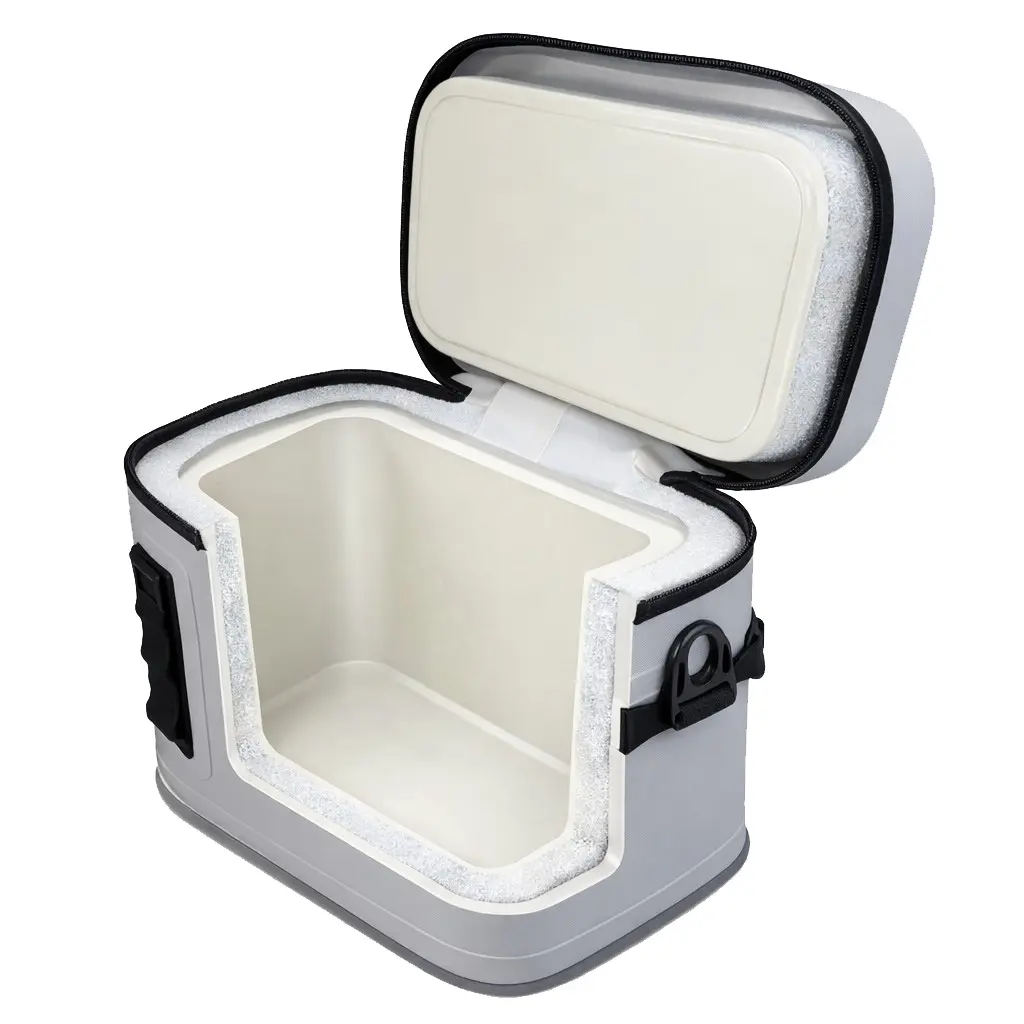
A dependable Cooler Box provides an insulated space for storing food and beverages with ice or suitable cooling packs. Its design helps slow the movement of heat into the interior, although performance varies according to insulation, lid fit, ambient temperature, and packing habits. Before purchasing, consider how the cooler will be used and what features will make it practical throughout the journey.
1. Begin With the Type of Adventure
The first step is to think about where the cooler will go. A short picnic in a nearby park may require only a small container, while a multi-day camping trip could need substantially more space.
For fishing, users may prioritize easy cleaning and a durable structure. For road trips, the cooler should fit securely in the vehicle. At a beach or outdoor event, comfortable carrying handles and a manageable weight may be more important.
Matching the cooler to the activity prevents paying for capacity or features that may rarely be needed.
2. Estimate the Required Capacity
Cooler capacity should reflect the number of people, quantity of food, and length of the trip. A small model may be convenient for drinks and snacks, but it can become crowded when additional meals or cooling packs are included.
Before selecting a size, estimate the volume of the items you normally carry. Remember that ice or cooling materials also occupy internal space.
A larger model may suit group outings, but it can become heavy when filled. Consider whether you can comfortably lift it and whether it will fit in your vehicle or storage area.
3. Compare Insulation and Cooling Performance
Insulation is one of the most important features of a cooler box. Its purpose is to slow heat transfer between the outside environment and the stored contents.
The actual performance depends on the materials used, wall thickness, lid design, construction quality, and exposure conditions. A secure lid is particularly useful because frequent openings allow warm air to enter.
Review any available performance information and consider how long your typical outing lasts. Pre-chilling contents, using suitable ice packs, and keeping the cooler shaded can also help improve practical results.
4. Choose a Convenient Carrying Design
A cooler that is difficult to move may become frustrating during an outdoor trip. Think about the distance between the vehicle and the destination, the terrain, and the weight of the expected contents.
Small models with comfortable handles may be ideal for short walks. Larger coolers may benefit from wheels or extended handles, especially when moving across relatively smooth surfaces.
For rough trails, stairs, or uneven ground, a compact and manageable design may be easier to handle than a very large wheeled model.
5. Check Durability and Construction
Outdoor equipment can experience knocks, movement, and frequent loading. Inspect the cooler’s outer shell, base, corners, lid, hinges, and handles.
A durable structure is useful for regular use, but strength should be balanced against overall weight. The lid should close securely, and any latches should be straightforward to operate.
If the cooler will be used near sand, mud, or water, consider how easily its exterior and interior can be cleaned after the trip.
6. Organize Food and Drinks Properly
Good packing can make a significant difference. Start with chilled or frozen contents as appropriate, arrange food in sealed containers, and use enough cooling materials for the planned journey.
Keep raw foods separate from ready-to-eat items, and protect packages that could leak. Grouping drinks separately can reduce the number of times the food compartment needs to be opened.
For perishable products, use suitable temperature monitoring or follow recognized safe-storage guidance. Insulation alone cannot guarantee safe conditions for an unlimited period.
7. Compare Maintenance and Storage Requirements
Before buying, check whether the interior is easy to clean and dry. Removable baskets or dividers may make organization easier, while simple surfaces can reduce cleaning effort.
Consider where the cooler will be stored between trips. A bulky model may be inconvenient in a small home, while a compact option may fit more easily in a cupboard, garage, or vehicle compartment.
Conclusion
Choosing the right cooler box is a matter of matching its capacity, insulation, portability, and durability to the planned outdoor activities. A model that suits the journey will be easier to pack, transport, and maintain. With suitable cooling materials, careful food handling, and routine cleaning, the right cooler can become a reliable part of camping and travel equipment.