Fire Spray Nozzles: Spray Patterns, Flow Rates, and Fire Protection Applications
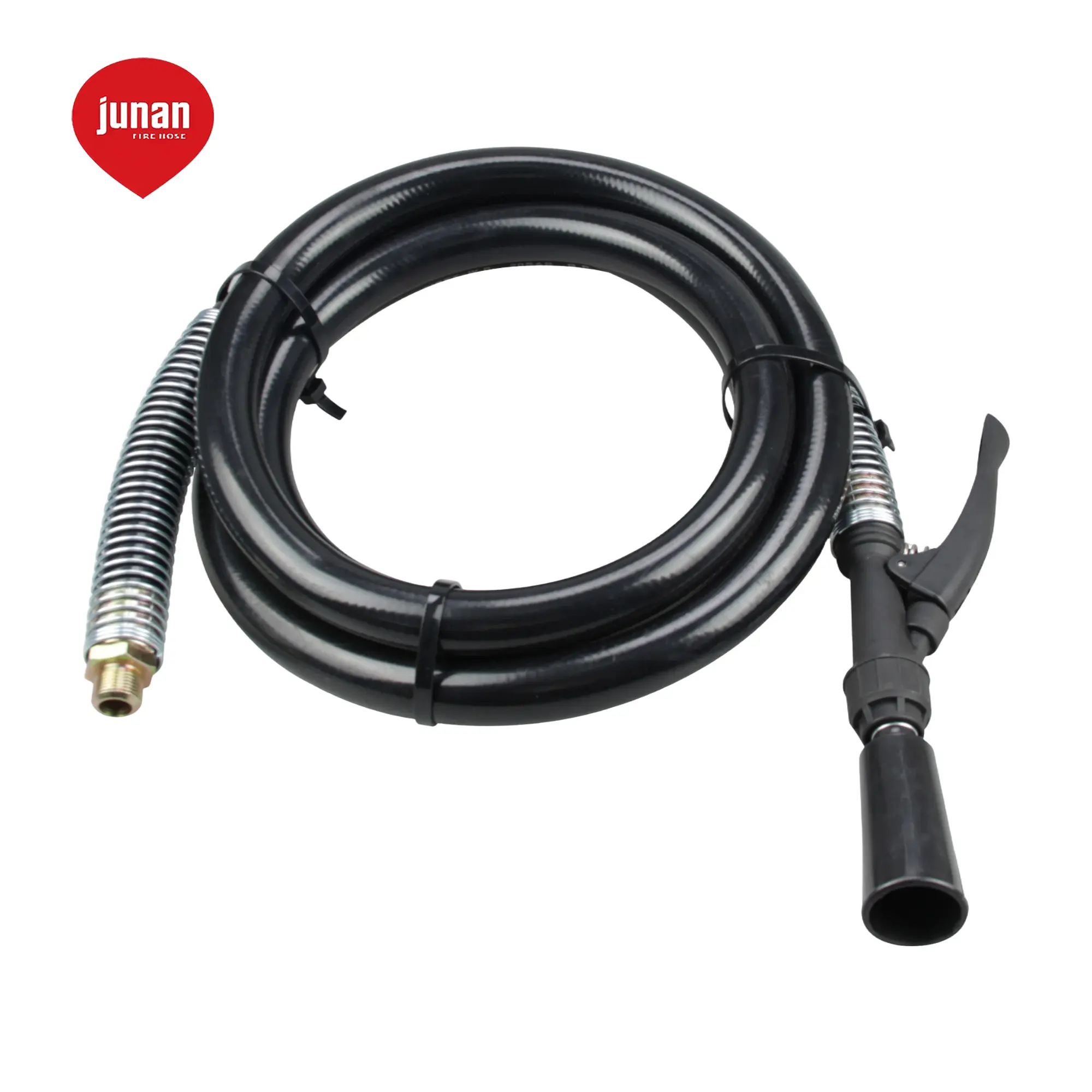
Fire protection systems rely on carefully selected equipment to deliver water where it is needed during an emergency. While pumps and pipes provide the required water supply, discharge components determine how effectively that water reaches the target area. Spray nozzles are particularly important because their design influences droplet distribution, coverage, and flow characteristics. Understanding these features helps building managers, system designers, and fire safety professionals select suitable equipment for different applications.
A Fire Spray Nozzle is a discharge component designed to distribute water in a specific spray pattern for firefighting or fire protection purposes. Depending on its construction, it can produce a wide spray, a controlled cone, or another defined discharge shape. Its performance depends on factors such as inlet pressure, flow rate, orifice dimensions, and the design of the internal passages.
What Is a Fire Spray Nozzle?
A fire spray nozzle controls how water exits a connected pipe, hose, or firefighting assembly. Rather than simply releasing water through an unrestricted opening, it shapes the discharge to achieve a particular distribution pattern.
In firefighting operations, spray patterns can help deliver water across a wider surface or toward a specific area. In fixed fire protection installations, specially engineered spray nozzles may distribute water over equipment, structures, or designated hazard zones.
It is important to distinguish between hose-end firefighting nozzles and fixed water spray nozzles. Although both control water distribution, they serve different purposes and must be selected according to their respective system designs.
Common Fire Spray Patterns
The discharge pattern is one of the most important characteristics of a spray nozzle. Different patterns support different water delivery requirements.
1. Wide-Angle Spray
Wide-angle patterns distribute water over a relatively broad area. They are useful in applications where coverage is more important than concentrating the entire discharge on one small target.
The actual coverage depends on nozzle orientation, operating pressure, installation height, and the surrounding environment.
2. Narrow Spray Pattern
A narrow spray concentrates water into a smaller discharge area. It can provide more focused delivery where a broad distribution pattern is unnecessary or unsuitable.
3. Full-Cone Spray
Full-cone nozzles distribute droplets throughout a cone-shaped pattern. They are used in certain fixed fire protection and industrial water spray systems where coverage across a defined three-dimensional area is required.
4. Hollow-Cone Spray
Hollow-cone designs concentrate most of the droplets around the outer region of a cone-shaped pattern. Their suitability depends on the required coverage and the engineering specifications of the installation.
5. Adjustable Spray Patterns
Some hose-end nozzles allow operators to change the discharge configuration. Depending on the model, users may select between different spray widths or a more concentrated stream. Fixed spray nozzles, by contrast, generally have a pattern determined by their manufactured design.
Understanding Flow Rates and Operating Pressure
Flow rate describes the quantity of water discharged through a nozzle over a specific period. It is commonly measured in litres per minute. Operating pressure describes the force available to move water through the system.
These two factors influence how a nozzle performs. A nozzle designed for a particular flow rate may not provide its intended distribution if the available pressure is too low or too high.
Flow performance is affected by several elements:
- Orifice size: The outlet dimensions influence the amount of water that can pass through the nozzle.
- Inlet pressure: Pressure affects discharge velocity and flow characteristics.
- Water supply capacity: Pumps and pipework must provide sufficient water for the selected nozzle arrangement.
- Pipe and fitting losses: Restrictions and friction can reduce the pressure available at the discharge point.
- Nozzle condition: Blockages, corrosion, or physical damage can interfere with water distribution.
System designers should evaluate these factors together rather than selecting nozzles based on flow ratings alone.
Fire Protection Applications
Fire spray nozzles are used in several types of fire protection arrangements.
Industrial Equipment Protection
Certain fixed water spray systems are designed to protect industrial machinery, process equipment, and other designated hazards. Correct nozzle placement and coverage calculations are essential for these installations.
Storage and Processing Facilities
Industrial storage areas may require engineered water spray arrangements based on the materials present and the facility’s fire risk assessment. The nozzle pattern must suit the specific protection objective.
Commercial and Infrastructure Buildings
Specialized spray systems may be incorporated into selected building protection designs. Their use depends on applicable regulations, engineering requirements, and the characteristics of the protected area.
Firefighting Hose Assemblies
Adjustable spray nozzles fitted to firefighting hoses allow trained personnel to control water delivery during suitable firefighting operations. Their use must follow equipment instructions and established safety procedures.
Selecting the Right Fire Spray Nozzle
Choosing the correct nozzle requires an understanding of the application and the complete water delivery system. Important considerations include:
- Required coverage: Determine the area or equipment that needs protection.
- Spray pattern: Select a pattern suited to the intended discharge and installation arrangement.
- Flow and pressure ratings: Match the nozzle specifications to the available water supply.
- Material construction: Consider corrosion resistance, mechanical strength, and environmental exposure.
- Connection compatibility: Verify that fittings and inlet dimensions match the connected pipework or hose.
- Standards and approvals: Check that the product meets the relevant project specifications and applicable fire protection requirements.
Professional system design is especially important for fixed installations because nozzle spacing, orientation, and hydraulic calculations influence overall performance.
Maintenance and Inspection
Regular inspection helps maintain consistent nozzle performance. Check for blocked outlets, mineral deposits, corrosion, damaged threads, loose fittings, and visible deformation. Fixed spray installations should also be examined for obstruction caused by equipment, stored materials, or building modifications.
Cleaning and servicing should follow manufacturer instructions. Any nozzle showing damage or an abnormal discharge pattern should be assessed by qualified personnel. Inspection records can help facility managers track maintenance activities and identify recurring problems.
Conclusion
Fire spray nozzles influence fire protection performance by controlling water distribution, spray patterns, and discharge flow. Their effectiveness depends on correct selection, suitable operating pressure, reliable water supply, and appropriate installation. By considering application requirements and maintaining equipment properly, organizations can support dependable water delivery and strengthen their wider fire protection systems.