Fire Suppression Hose: Choosing Suitable Hoses for Fire Protection Systems
Fire suppression systems are designed around specific hazards, operating conditions, and performance objectives. Depending on the installation, they may use water, foam, or another approved extinguishing medium delivered through a network of pipes, valves, outlets, and flexible connections. Where a hose forms part of that arrangement, its material and construction must be appropriate for the medium and the pressure conditions. A seemingly minor mismatch can affect the reliability of the wider system, making careful specification essential.
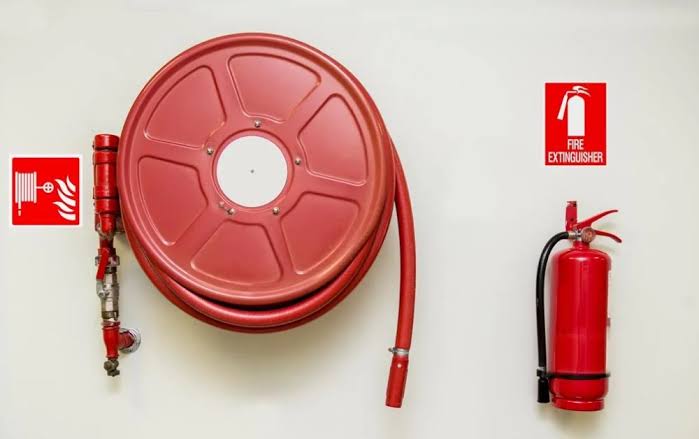
A Fire Suppression Hose is a hose intended for use in a defined fire suppression application, either as part of a portable assembly or within an engineered installation. The term covers different product designs rather than one universal hose type. Selection must account for the extinguishing medium, operating pressure, temperature range, flow requirement, connection standard, and relevant approvals. A hose suitable for one suppression system should not be assumed compatible with another.
Define the suppression method
The first selection step is to identify the system’s extinguishing medium and how it is delivered. Water-based systems use hoses and pipework designed for water service, while foam systems may require components compatible with the particular foam solution or concentrate arrangement. Other specialized systems may use different delivery equipment and operating principles.
The medium affects material compatibility, pressure requirements, and the type of discharge device used. The system’s design documentation should identify the required hose specification. Where a proposed replacement differs from the original, a competent fire protection professional should verify that the change is acceptable.
Material and chemical compatibility
Hose materials must tolerate the medium they convey without unacceptable deterioration. Depending on the application, manufacturers may use rubber compounds, reinforced polymers, composite layers, or other engineered materials. Each formulation has particular strengths and limitations.
Compatibility should be confirmed for the exact extinguishing agent, including any additives or concentrates used in the system. Some materials can swell, soften, crack, or lose mechanical properties when exposed to unsuitable chemicals. Environmental factors such as sunlight, moisture, temperature changes, oils, and cleaning agents should also be considered.
Pressure and flow performance
A suppression hose must operate within its documented pressure range. Buyers should distinguish between working pressure, test pressure, and burst pressure, and should check the manufacturer’s stated requirements. The hose must be suitable for both normal operating conditions and the testing regime required by the relevant standard.
Flow performance is affected by internal diameter, hose length, pressure, and the design of connected valves and nozzles. A hose with an unsuitable diameter may restrict flow or change pressure losses. System designers should calculate requirements for the complete installation rather than choosing a hose solely because its dimensions match an existing fitting.
Connections and assembly integrity
Hose couplings must match the system’s pipework, valves, pumps, and discharge equipment. Confirm the connection profile, thread, nominal size, seal type, and retention arrangement. The hose and fittings should have compatible pressure and temperature ratings.
A secure connection requires correct engagement and a suitable seal. Damaged threads, worn gaskets, or improvised adapters can create leakage points. Replacement components should be approved for the application, and installation should follow the manufacturer’s instructions and system drawings.
Installation and routing
The route of a hose can influence its service life and performance. Excessive bending, twisting, tension, or contact with sharp edges can cause damage. Where a flexible connection is used, it should be installed within the manufacturer’s specified movement and bend limits. It should not be expected to compensate for poor pipe alignment or inadequate support unless expressly designed for that purpose.
Hoses should also be protected from vehicle impact, crushing, excessive heat, and unauthorized handling. Storage and access arrangements should be considered during system planning, particularly for portable equipment and hose assemblies that need to be deployed quickly.
Inspection and service planning
Inspection should cover the full hose length and all connection points. Look for abrasion, cracking, swelling, exposed reinforcement, corrosion, loose fittings, leakage, and signs of chemical damage. Any component that appears compromised should be assessed by qualified personnel.
Testing intervals and procedures depend on the system type, applicable standards, and manufacturer recommendations. Records should identify each hose, its location, inspection history, test results, and any replacement work. This information helps facility managers track equipment condition and plan maintenance before defects become operational problems.
Choose for the complete system
The right suppression hose is one that matches the extinguishing medium, pressure and flow demands, installation environment, and connected equipment. Technical verification, approved installation, and routine inspection help preserve the performance of the wider system. By treating the hose as an engineered part of fire suppression rather than a generic accessory, organizations can make more reliable procurement and maintenance decisions.