How a Bathroom Wudu Basin Can Improve Your Daily Ablution Routine
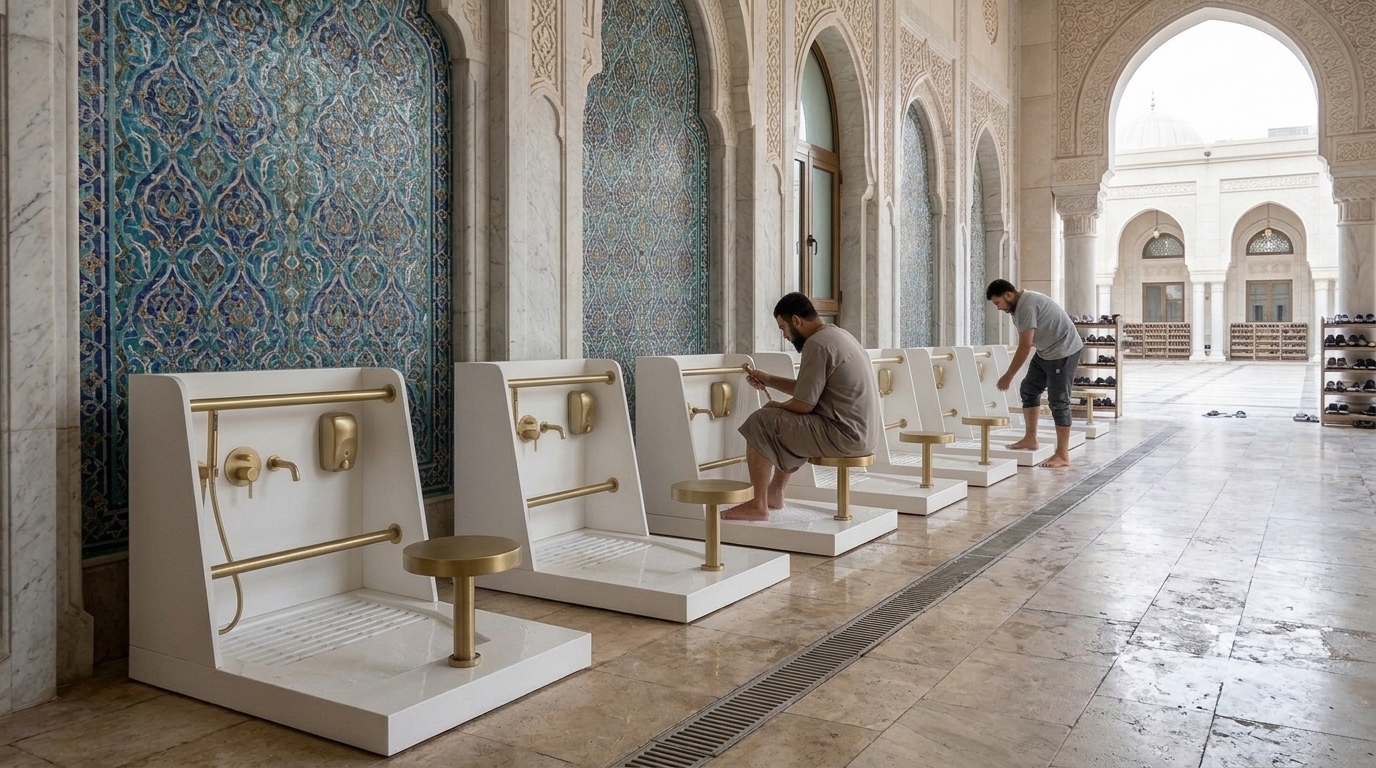
Daily routines are often shaped by the small details of the spaces in which they take place. For Muslims, preparing for prayer through wudu is a regular practice, and a comfortable washing area can make this process more organised. An ordinary bathroom sink may be sufficient for some washing tasks, but it may not provide the space or arrangement needed for every part of ablution. A dedicated fixture can offer a more suitable setting, helping users complete their preparations with greater ease and keeping the surrounding bathroom more manageable.
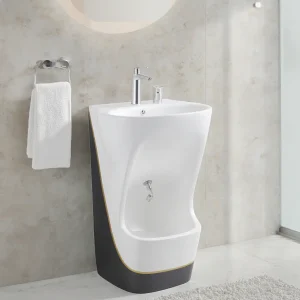
The difference becomes clearer when a bathroom Wudu basin is planned around the movements involved in washing rather than selected only for its appearance. A suitable bowl, accessible tap, and carefully arranged floor area can reduce unnecessary adjustments during the routine. These features are especially helpful in busy households where several people use the bathroom throughout the day. Learning about the benefits and uses of a Wudu sink can also help homeowners understand why a dedicated ablution fixture may be worth considering.
Making Each Step More Comfortable
One of the main advantages of a purpose-designed ablution area is that it can support a more natural washing position. The height and shape of the basin influence how easily users can reach the water and wash different parts of the body. When the fixture is appropriately positioned, people may not need to bend or stretch as much as they would with a conventional sink.
This can be particularly valuable for older family members or anyone who finds repeated bending uncomfortable. A design with enough room around the bowl can also make it easier to adjust position safely. The aim is not to complicate a familiar religious practice with unnecessary equipment, but to provide a setting that makes the physical steps more manageable.
Keeping Water Within the Washing Area
Water splashes are a common challenge in bathrooms, especially when a standard sink is used for tasks that require more space. Water reaching the floor can make surfaces slippery and increase cleaning requirements. A basin designed with suitable depth and contours can help contain water more effectively.
The surrounding installation is just as important as the bowl itself. Water-resistant flooring, suitable drainage, and properly sealed connections all contribute to a cleaner area. Where possible, position the fixture so users have enough standing room without being too close to bathroom doors, cabinets, or other obstacles. These decisions help reduce disruption and make the washing area easier to use.
Supporting a More Organised Household Routine
In a home where several people perform ablution, a dedicated space can make the bathroom routine more predictable. Users know where to wash, where water is supplied, and where towels or other necessary items are kept. This can be particularly helpful during busy periods when family members are preparing for prayer at similar times.
Small organisational choices can improve the experience further. A nearby towel rail, a modest shelf, or a suitable storage compartment can keep everyday items within reach. These additions should be arranged carefully so they do not obstruct movement or create clutter. Keeping the floor clear also makes it easier for other household members to use the bathroom safely.
Choosing Features That Match Different Users
A useful ablution space should account for the people who will use it. Children may need supervision or an accessible arrangement, while adults may prioritise comfortable reach and sufficient bowl space. Older users may benefit from stable flooring, convenient tap controls, and enough room to move without feeling restricted.
If the bathroom is shared, consider whether the basin can serve different needs without becoming difficult to operate. Tap handles should be easy to turn, and the water flow should be manageable. Where suitable, a mixer can provide temperature control, although the preferred arrangement depends on the household’s plumbing and habits. Planning around actual users is more effective than choosing a fixture based only on photographs or showroom appearance.
Improving Hygiene and Cleaning
A dedicated washing area can help separate ablution activities from other bathroom tasks. This can make the room easier to organise and encourage a consistent cleaning routine. Materials with smooth, non-porous surfaces are generally practical because they are easier to wipe down and less likely to retain residue.
Regular care remains important regardless of the basin material. Remove soap deposits, clean the drain, and dry surrounding surfaces when needed. Use cleaning products recommended by the manufacturer to avoid damaging the finish. Checking taps and plumbing connections periodically can also help identify leaks before they cause larger problems.
Creating a Calm and Functional Bathroom
The appearance of the washing area can contribute to the overall atmosphere of the bathroom. A basin that complements the room’s colours, fittings, and storage can look intentional rather than like an afterthought. Simple lines and uncluttered surroundings often create a balanced result without sacrificing practicality.
Ultimately, a well-planned ablution space improves daily convenience by bringing comfort, water management, hygiene, and organisation together. Selecting a suitable fixture and installing it thoughtfully can make regular preparation for prayer easier while helping the bathroom remain clean, accessible, and welcoming.