Understanding Battery Technology in an Electric Mini Excavator
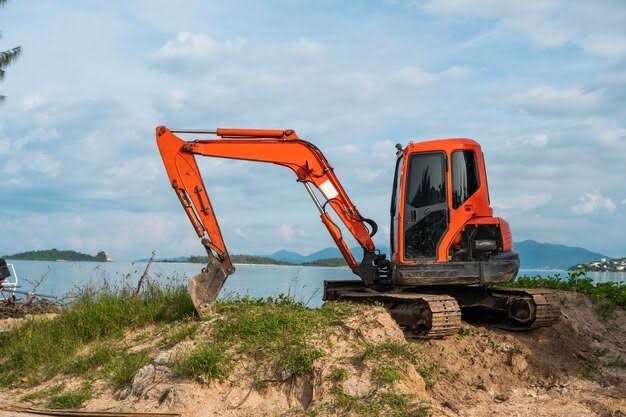
Battery technology is one of the most important factors to understand when evaluating electric construction equipment. Unlike traditional machines that rely on fuel for energy, electric excavators use stored electrical power to operate their systems. The battery therefore influences operating duration, charging arrangements, equipment availability, and the way contractors plan their work.
When considering an electric mini excavator, buyers should look beyond the battery’s advertised capacity and investigate how the energy system performs under actual working conditions. Understanding battery specifications, charging practices, operating factors, and maintenance considerations can help businesses make realistic purchasing decisions.
The Battery’s Role in Machine Operation
An electric excavator’s battery stores energy that is used by the machine’s electric drive and associated systems. Depending on the equipment design, electrical power may be used for propulsion, hydraulic functions, control systems, and other components.
The battery’s capacity is generally expressed in kilowatt-hours, indicating the amount of energy it can store. A larger capacity may provide more available energy, but it does not automatically guarantee a particular operating duration.
Energy consumption depends on how the excavator is used. Light tasks, such as certain positioning or shallow excavation activities, may demand less energy than intensive digging or continuous operation with demanding attachments. Ground conditions, operator behavior, temperature, and terrain can also influence consumption.
Understanding Capacity and Operating Duration
Battery capacity is a useful specification for comparing equipment, but buyers should interpret it alongside the manufacturer’s operating information. Two machines with similar battery capacities may have different energy consumption characteristics because their motors, hydraulic systems, operating weight, and overall designs differ.
Operating duration should be assessed according to the work the machine will perform. Contractors who regularly dig in difficult soil or use attachments that increase energy demand should ask suppliers for information relevant to those applications.
It is also helpful to consider the working schedule. A machine may be used for several shorter tasks separated by breaks, or it may need to operate continuously for longer periods. These patterns influence how charging can be incorporated into the day.
Charging Equipment and Electrical Supply
Charging requirements are a key part of equipment selection. Buyers should confirm the charging method supported by the machine, the required electrical supply, charging equipment specifications, and the time needed to recharge under recommended conditions.
Charging time can depend on the battery’s current state of charge, charger capability, electrical supply, battery temperature, and other factors. The supplier should provide clear guidance on compatible charging equipment and recommended practices.
Businesses may need to evaluate charging locations at their workshop, storage facility, or project site. The availability of suitable electrical infrastructure can influence whether an electric excavator is practical for regular use.
Temperature and Working Conditions
Battery performance can be affected by temperature. Cold or hot conditions may influence available energy, charging behavior, and system performance, depending on battery chemistry and equipment design.
Contractors working in areas with seasonal temperature changes should review the manufacturer’s guidance on operating and charging in different conditions. Storage practices may also be important when machinery is not used regularly.
Dust, moisture, vibration, and construction-site exposure are additional considerations. The battery enclosure and electrical system should be designed for the intended operating environment, and users should follow specified inspection and protection procedures.
Battery Management and Protection Systems
Modern battery systems may incorporate management technology designed to monitor battery conditions and support safe operation. Depending on the design, such systems can monitor factors including temperature, voltage, charging status, and other operating parameters.
Buyers should ask suppliers about battery protection features, diagnostic information, warning indicators, and recommended responses to alerts. Understanding these systems can help operators recognize abnormal conditions and follow appropriate procedures.
Battery-related maintenance should be performed according to manufacturer instructions. Operators should not attempt unauthorized repairs, modifications, or interventions in high-voltage systems.
Planning Charging Around Work
A practical energy plan begins with the expected daily workload. Contractors should estimate operating time, identify periods when the machine can recharge, and consider whether the available electrical supply can support their schedule.
If the machine will be transported between several projects, charging arrangements at each location may need to be investigated. For jobs with unpredictable workloads, businesses should consider contingency planning for energy availability and equipment downtime.
Battery Care and Long-Term Ownership
Battery care may include following recommended charging procedures, protecting equipment from unsuitable conditions, monitoring system warnings, and arranging authorized service when required.
Warranty terms, battery serviceability, replacement arrangements, and supplier support should be reviewed before purchase. These factors may influence long-term ownership costs and equipment availability.
Conclusion
Battery technology plays a central role in the performance and practicality of electric mini excavators. Capacity, charging requirements, temperature sensitivity, energy consumption, protection systems, and maintenance all affect how the equipment can be used. Contractors who understand these factors can develop realistic operating schedules, compare models more effectively, and select machinery that aligns with their project demands and available charging infrastructure.