Pinless Lug Type Butterfly Valve Design and Its Advantages in Flow Control
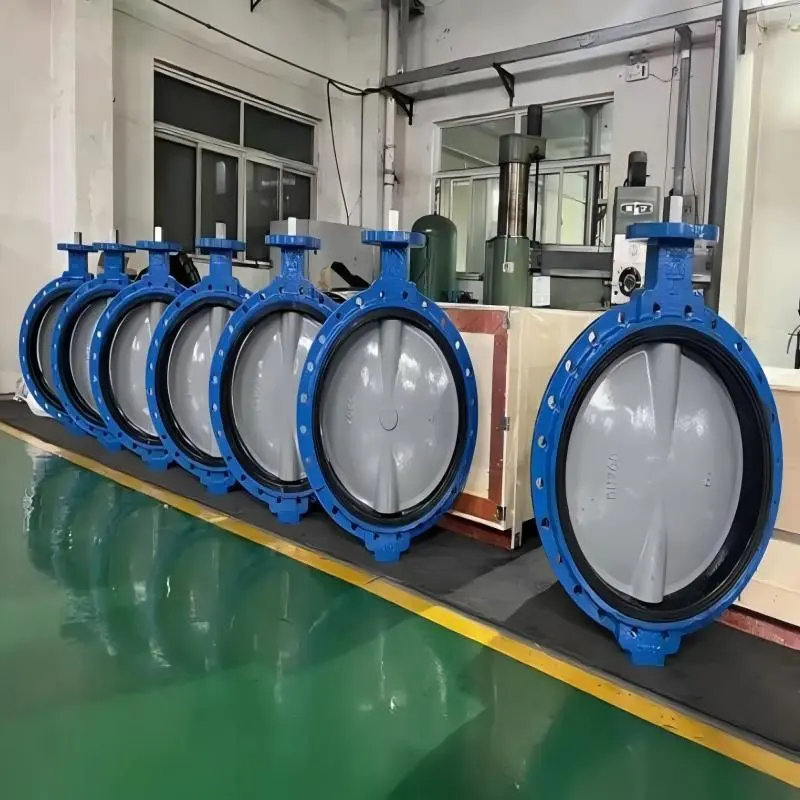
Butterfly valves are available in several mechanical configurations, and the connection between the disc and operating stem is an important part of their design. In industrial applications, the internal construction can influence torque transmission, mechanical integrity, sealing arrangement, and maintenance considerations. Buyers comparing different valve models should understand these features rather than relying only on connection style or nominal size.
A Pinless Lug Type Butterfly Valve may be considered where its lug-style connection and pinless disc-to-stem arrangement meet the pipeline and process requirements. Pinless construction refers to a particular way of connecting or retaining the disc and stem, while lug-style construction relates to the valve body’s connection features. The actual design and benefits should be verified using the manufacturer’s technical documentation.
Understanding Lug-Type Construction
Lug butterfly valves generally incorporate attachment features around the body that allow the valve to be secured to compatible pipeline flanges using specified fasteners.
The exact lug configuration may differ between manufacturers. Some designs use threaded features, while others may have different attachment arrangements. Buyers should verify flange compatibility, bolt patterns, fastener requirements, and pressure ratings.
Lug construction may be useful for certain installation and maintenance arrangements, but the valve’s suitability for end-of-line service or particular isolation conditions must be confirmed with the manufacturer.
What Pinless Construction Refers To
The disc and stem connection transfers operating movement to the disc. In conventional designs, pins or other fastening elements may be used as part of this connection.
Pinless designs use a different arrangement to connect or retain these components. The details may vary, including the way the stem engages with the disc and how mechanical forces are transferred during operation.
The term “pinless” does not mean that the valve contains no mechanical connection components. Buyers should request sectional drawings or design information to understand the arrangement and its limitations.
Potential Mechanical Considerations
A pinless design may offer particular construction characteristics depending on how the manufacturer has engineered the disc-to-stem connection. The arrangement may influence the number or position of components in the wetted region and the way the valve transmits torque.
However, these characteristics should not be treated as universal advantages. Mechanical strength, operating torque, disc retention, durability, and serviceability depend on the actual design and materials.
The buyer should ask how the connection is designed, what operating limitations apply, and whether maintenance procedures differ from those used for conventional models.
How Butterfly Valves Manage Flow
Butterfly valves use a rotating disc to change the available passage through the pipeline. The valve may be used for isolation or for selected flow-control duties.
The operating mechanism may be a handle, gearbox, or actuator. The required torque depends on the valve design, pressure differential, operating conditions, and other factors.
If the application requires frequent movement or continuous throttling, the manufacturer should confirm that the model is appropriate. Flow characteristics and shutoff performance should be reviewed against the process requirements.
Material Selection and Fluid Compatibility
The valve body, disc, stem, seat, and other wetted materials must be suitable for the fluid and operating environment.
Industrial applications may involve treated water, chemical mixtures, process liquids, or other media with different material requirements. Corrosive service may require specialised materials or protective surfaces.
Compatibility should be confirmed using the fluid composition, concentration, temperature, pressure, and cleaning conditions. The pinless connection design does not replace the need for material assessment.
Installation and Connection Requirements
Before installation, verify the flange dimensions, lug arrangement, fasteners, pressure rating, and connection compatibility. The pipeline should be aligned correctly, and the valve should not be forced into position.
The disc must have sufficient clearance to operate without interference. Installers should follow the manufacturer’s instructions for disc positioning, tightening procedures, and any restrictions related to the connection arrangement.
If the valve has a handle or actuator, ensure that it remains accessible after installation.
Maintenance and Inspection
Routine inspection should include leakage, corrosion, operating movement, mounting condition, and signs of damage. Changes in operating resistance should be investigated.
Maintenance procedures should follow the manufacturer’s recommendations, particularly when examining the disc-to-stem connection or internal components. The valve must be isolated and depressurised before servicing.
Evaluate the Complete Design
Pinless lug-type butterfly valves combine a specific connection arrangement with a particular disc-to-stem construction. Their suitability depends on verified mechanical characteristics, materials, operating conditions, and maintenance requirements.
By reviewing technical drawings, operating limits, and supplier information, engineers can determine whether a pinless lug design provides appropriate performance for the intended industrial flow-control application.