The Environmental Benefits and Limitations of Thermal Printing Technology
Environmental sustainability has become an important consideration for businesses across industries. Organizations are increasingly evaluating the materials, energy consumption, waste generation, and maintenance requirements associated with their everyday equipment. Printing technology is one area where these factors can influence operational decisions, particularly in businesses that produce large quantities of receipts, labels, tickets, and shipping documents.
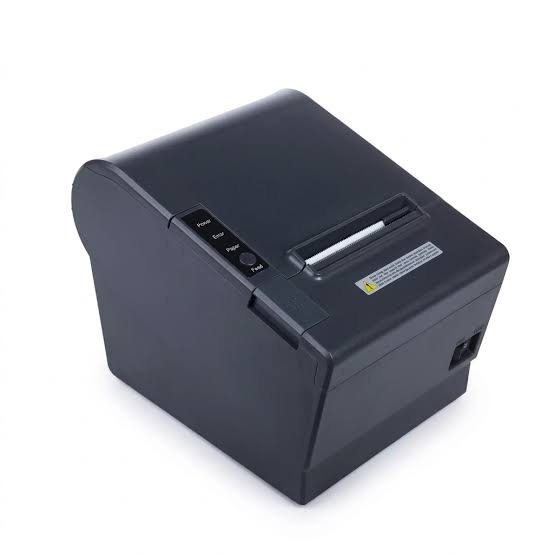
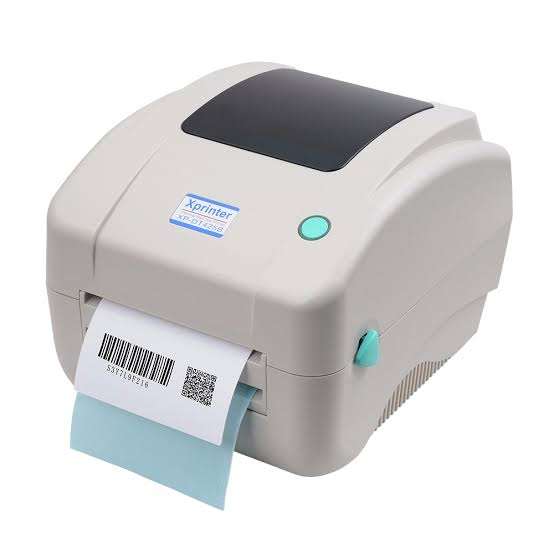
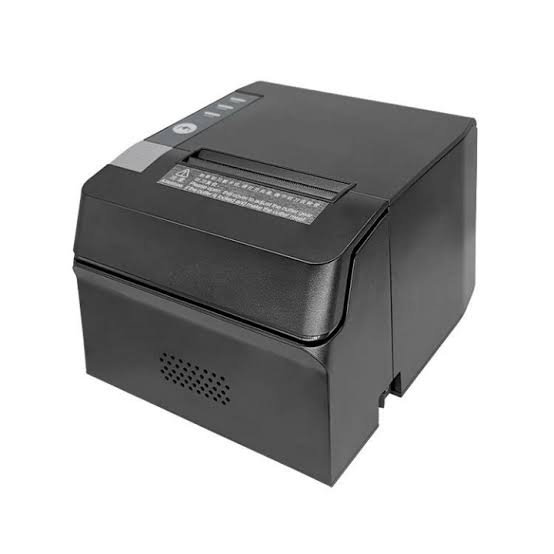
A Thermal Printer uses heat to create text, graphics, and other information on compatible printing materials. Unlike conventional inkjet and laser printing systems, many thermal printing applications do not require ink or toner cartridges. This can reduce certain types of consumable waste, although the overall environmental impact depends on the printing method, media materials, equipment lifespan, and disposal practices. Understanding both the benefits and limitations helps businesses make more responsible printing decisions.
1. Reduced Dependence on Ink and Toner
One of the main environmental advantages of thermal printing is that it can reduce the need for conventional ink and toner cartridges.
Direct thermal printers use heat-sensitive paper or labels to produce images. They do not require ink cartridges, toner containers, or printing ribbons during normal operation.
This can reduce waste associated with cartridge packaging, used containers, and leftover printing materials. Businesses that produce large numbers of receipts may also simplify their consumable management by focusing primarily on compatible thermal paper.
However, this advantage applies mainly to direct thermal printing. Thermal transfer printers use ribbons to transfer ink onto compatible materials, so their consumable requirements are different.
2. Lower Consumable Waste in Certain Applications
Traditional printing systems may generate waste through empty ink cartridges, toner containers, maintenance components, and packaging materials. Thermal printing can eliminate some of these items, depending on the technology being used.
For example, a retail business using direct thermal receipt printers does not need to replace ink cartridges as part of its regular printing routine.
This can simplify waste management and reduce the number of consumable components requiring disposal.
Nevertheless, thermal printing still produces waste through used paper rolls, discarded labels, backing liners, and packaging. Businesses should consider these materials when evaluating their overall environmental performance.
3. Energy Efficiency and Power Consumption
Thermal printing uses heat to create images, but its energy requirements vary according to the printer design, print speed, media, and workload.
Many thermal printers have relatively simple operating mechanisms, which can support efficient printing in applications such as receipts and barcode labels.
Some models also include standby or power-saving functions that reduce electricity use when the equipment is inactive.
However, it would be inaccurate to assume that every thermal printer automatically consumes less energy than every inkjet or laser printer. Energy efficiency should be evaluated using actual power consumption specifications and expected operating conditions.
Businesses can make more informed comparisons by considering electricity use during active printing, standby periods, and daily operating hours.
4. Supporting Efficient Business Workflows
Environmental performance is influenced not only by printer design but also by how businesses use their equipment.
Thermal printers can support automated workflows that reduce unnecessary document production and repetitive printing activities.
For example, integrated POS systems can generate receipts only after completed transactions. Warehouse software can produce product labels directly from inventory records, reducing the need for manually prepared identification documents.
When printing processes are properly configured, businesses can avoid duplicate documents, incorrect labels, and unnecessary reprints.
Reducing avoidable printing helps conserve paper and other materials while improving operational efficiency.
5. Compact Designs and Equipment Requirements
Many thermal printers have compact designs, particularly models used for receipts and portable printing applications.
Smaller equipment may require less workspace and can be easier to install in retail counters, service areas, and mobile work environments.
Some portable models also operate using rechargeable batteries, allowing businesses to perform printing tasks without keeping the equipment connected to a fixed workstation.
However, compact size alone does not establish that a printer has a lower environmental impact. Manufacturing materials, electronic components, battery production, transportation, and eventual disposal also contribute to its overall footprint.
6. Limitations of Thermal Paper Recycling
Thermal paper presents an important environmental consideration. Many direct thermal papers contain heat-sensitive coatings that react when exposed to the printhead.
Some thermal papers also contain chemical developers, and formulations vary between manufacturers. Certain types have historically used bisphenol-based chemicals, while alternatives may use other substances.
These coatings can complicate recycling because thermal paper may not be accepted in every paper recycling stream.
Businesses should check local recycling guidelines and the specifications of their paper suppliers rather than assuming that all thermal receipts can be recycled with ordinary office paper.
Selecting suitable paper and following local waste-management instructions can help reduce disposal problems.
7. The Environmental Impact of Chemical Coatings
Thermal paper requires a coating that changes color when heated. The chemicals used in these coatings can influence the material’s environmental and health profile.
Some manufacturers offer thermal paper developed without BPA or BPS. These alternatives may address concerns associated with particular chemical developers, but the absence of one substance does not automatically establish that a paper product is completely harmless or environmentally preferable.
Businesses should review supplier documentation, relevant safety information, and applicable regulatory requirements.
Where chemical composition is an important purchasing consideration, buyers should request clear information about the materials used in the paper or label coatings.
8. Direct Thermal vs. Thermal Transfer: Environmental Considerations
The two main thermal printing technologies have different material requirements and environmental considerations.
Direct Thermal Printing
Direct thermal printers create images by applying heat to specially coated paper or labels.
Potential advantages include:
- No ink or toner cartridges
- No printing ribbon required
- Fewer consumable components
- Straightforward operation
- Reduced cartridge-related waste
However, direct thermal materials may have limitations in durability and recycling. Printed images can also be affected by heat, sunlight, and certain environmental conditions.
This means that direct thermal printing may be more suitable for applications where printed information is needed for a limited period.
Thermal Transfer Printing
Thermal transfer printers use heat to transfer ink from a ribbon onto a compatible substrate.
This technology supports a wider range of label materials and can produce more durable printed information when the correct ribbon and substrate are selected.
Its environmental considerations include:
- Used ribbon waste
- Label and backing material disposal
- Energy consumption during printing
- Material compatibility and durability
Although thermal transfer printing requires additional consumables, its durable labels may be useful for applications where long-lasting identification reduces the need for replacement labels.
The most appropriate technology depends on the intended use, required durability, and material management practices.
9. Reducing Reprints Through Better Print Accuracy
Incorrect printing creates unnecessary waste. Misaligned labels, unreadable barcodes, faded receipts, and incorrect information may force employees to repeat printing tasks.
Thermal printers can help reduce these problems when properly configured and maintained.
Businesses should use compatible media, correct label dimensions, suitable darkness settings, and appropriate print resolution.
Barcode labels should also be tested with the scanners used in the workplace. Reliable printing helps reduce rejected labels and unnecessary material consumption.
Regular equipment checks can identify problems before they result in large quantities of discarded prints.
10. Equipment Lifespan and Electronic Waste
The environmental impact of printing equipment extends beyond the paper and consumables used during operation.
Printers contain electronic circuits, motors, sensors, printheads, power components, and sometimes rechargeable batteries. When equipment becomes outdated or stops functioning, these components can contribute to electronic waste.
Businesses can reduce unnecessary equipment disposal by:
- Following recommended maintenance procedures
- Cleaning printheads and rollers regularly
- Replacing worn components when practical
- Choosing equipment suitable for expected workloads
- Using manufacturer-supported repair services
- Disposing of damaged equipment through appropriate e-waste channels
A printer that remains functional for a longer period may reduce the need for frequent equipment replacement and the environmental costs associated with manufacturing and transporting new devices.
11. The Importance of Sustainable Printing Materials
Media selection plays a significant role in the environmental performance of thermal printing.
Businesses should evaluate the materials used in their paper rolls, labels, adhesives, ribbons, and packaging.
Potential considerations include:
Paper sourcing: Look for suppliers that provide information about responsible sourcing and applicable environmental certifications.
Chemical composition: Review available documentation about thermal coatings and chemical developers.
Recyclability: Check whether the selected material is accepted by local recycling facilities.
Label construction: Consider the environmental impact of adhesive layers and release liners.
Packaging: Evaluate whether suppliers offer packaging that minimizes unnecessary material use.
Not every sustainable material is suitable for every printer, so compatibility should always be confirmed before purchasing.
12. How Businesses Can Minimize Thermal Printing Waste
Organizations can improve their environmental performance by adopting practical printing management policies.
Useful measures include:
- Choose appropriate paper sizes: Avoid using oversized media when smaller formats are sufficient.
- Optimize receipt layouts: Remove unnecessary blank spaces and redundant information.
- Prevent duplicate printing: Configure business software to reduce accidental reprints.
- Select suitable media: Use materials designed for the intended application.
- Maintain printing equipment: Clean and inspect printers to prevent poor-quality output.
- Evaluate supplier practices: Request information about materials, packaging, and product specifications.
- Manage waste responsibly: Follow local rules for recycling and disposing of thermal paper and electronic equipment.
- Train employees: Explain correct media loading, printer operation, and waste-reduction procedures.
These steps can help businesses reduce material consumption without compromising essential printing activities.
13. Comparing Thermal Printing with Other Printing Technologies
Thermal, inkjet, and laser printers have different operating principles and consumable requirements. Their environmental performance depends on the type of work they perform and how they are maintained.
| Environmental Factor | Direct Thermal | Thermal Transfer | Inkjet and Laser |
|---|---|---|---|
| Ink or toner cartridges | Not required | Not required | Generally required |
| Printing ribbon | Not required | Required | Not applicable |
| Heat-sensitive media | Required | Not generally required | Not required |
| Paper or label waste | Possible | Possible | Possible |
| Electronic components | Present | Present | Present |
| Typical applications | Receipts and temporary labels | Durable labels | Documents and graphics |
This comparison highlights general differences rather than proving that one technology is environmentally superior in every situation. A fair assessment should consider the specific application, material consumption, equipment lifespan, energy use, and disposal options.
14. Choosing an Environmentally Responsible Thermal Printer
Businesses interested in reducing their printing footprint should consider environmental factors alongside technical specifications.
Before purchasing, evaluate:
- Energy consumption during normal operation
- Availability of power-saving functions
- Compatibility with suitable media
- Printhead and component replacement options
- Equipment durability and expected service life
- Availability of technical support
- Supplier transparency regarding materials
- Options for responsible electronic waste disposal
A printer that matches the actual workload can help prevent unnecessary energy use, material consumption, and premature equipment replacement.
15. The Future of Sustainable Thermal Printing
The thermal printing industry continues to explore ways to improve equipment efficiency and reduce the environmental impact of consumables.
Potential areas of development include improved thermal paper formulations, alternative chemical developers, more efficient printheads, durable label materials, and equipment designs that are easier to maintain and repair.
Businesses are also showing greater interest in understanding the sourcing, composition, and disposal requirements of printing supplies.
Future progress will depend on cooperation among printer manufacturers, paper suppliers, recycling organizations, and businesses that use thermal printing equipment.
Conclusion
Thermal printing technology offers several environmental advantages, particularly through reduced dependence on ink and toner cartridges in direct thermal applications. It can also support efficient workflows, reduce unnecessary reprints, and simplify consumable management.
However, thermal printing is not without limitations. Thermal paper coatings, recycling challenges, ribbon waste in thermal transfer systems, electricity consumption, and electronic equipment disposal all require attention.
Businesses should evaluate the complete lifecycle of their printing systems rather than focusing on a single environmental benefit. By choosing appropriate equipment, selecting suitable materials, maintaining printers, and following responsible waste-management practices, organizations can make thermal printing a more sustainable part of their operations.