Custom Latin Dance Shoes for Practice and Performance: What to Know
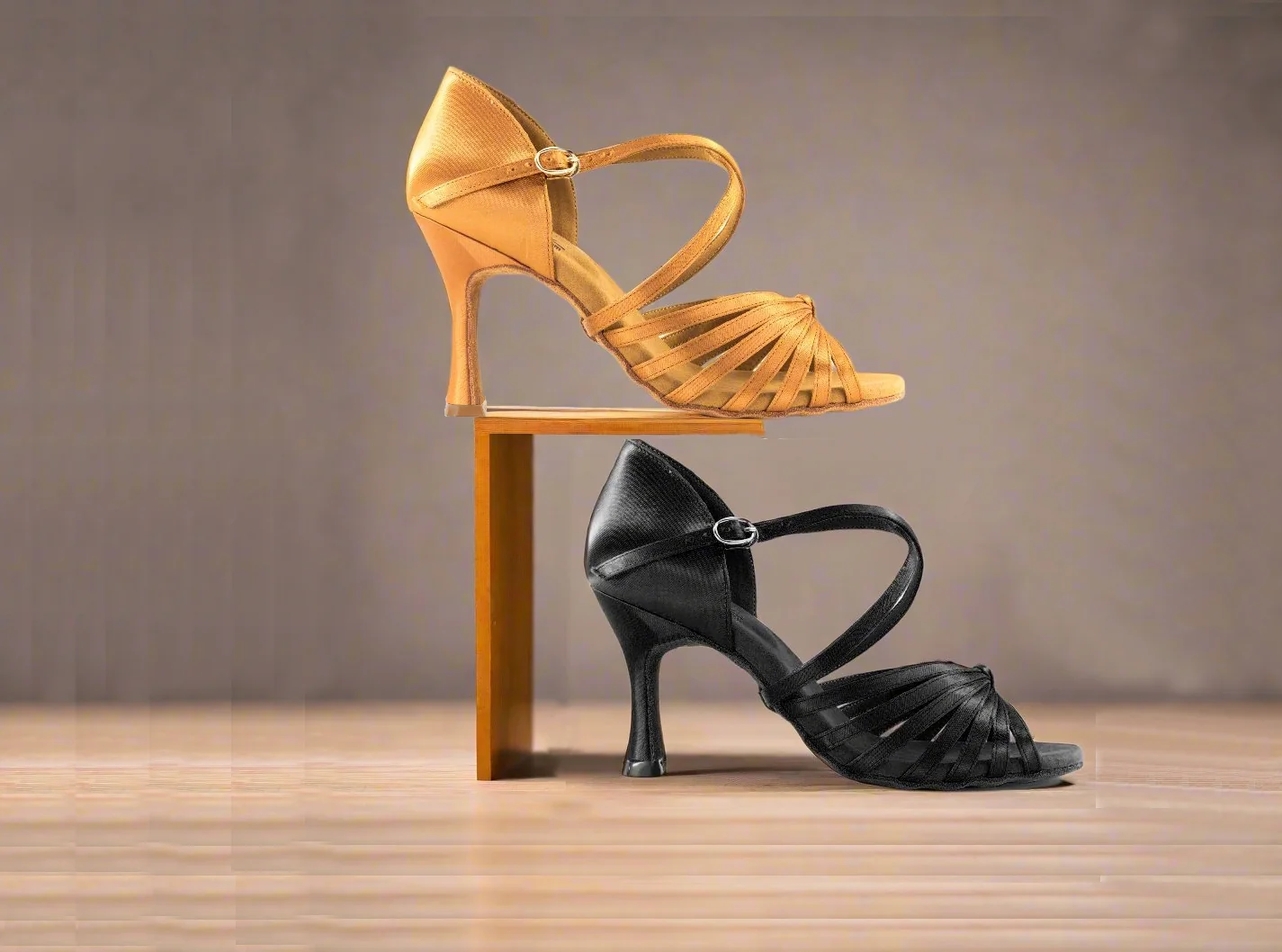
Latin dancing combines rhythm, precision, and expressive movement, making footwear an important part of a dancer’s preparation. Whether you practice salsa in a studio, rehearse a cha-cha routine, or perform rumba on stage, your shoes should support comfortable movement and reliable floor contact. The right pair can help you focus on technique without unnecessary distractions from poor fit or uncomfortable materials.
Choosing Custom Latin Dance Shoes allows dancers to consider personal preferences such as heel height, shoe width, strap design, and material. These details can be particularly useful when standard footwear does not fit comfortably or suit a specific dancing style. Understanding the differences between practice and performance needs can help you select shoes that work well for your training routine and stage appearances.
Understanding the Difference Between Practice and Performance Shoes
Practice and performance shoes serve related purposes, but their priorities may differ. During training, comfort, durability, and ease of movement are often the main concerns. Performance footwear may place additional emphasis on appearance, costume coordination, and the specific requirements of choreography.
Practice shoes should withstand repeated steps, turns, and drills. Their materials should be practical for frequent use, and their fit should remain comfortable during extended sessions.
Performance shoes need to support the same fundamental requirements while complementing the overall presentation. However, attractive finishes should never take priority over stability or a secure fit.
Some dancers use one versatile pair for both purposes, while others prefer separate shoes to preserve the appearance of performance footwear and reduce unnecessary wear.
Choosing the Right Heel Height
Heel height affects posture, weight distribution, and balance. In Latin dancing, the appropriate height depends on your technique, experience, and personal comfort.
Beginners often benefit from a lower or moderate heel while developing coordination and confidence. Experienced dancers may prefer a different height to complement their established technique or choreography.
When comparing heel options, consider:
- Stability: The heel should feel secure during turns and directional changes.
- Comfort: Avoid excessive pressure on the toes and forefoot.
- Dance style: Different routines may involve different movement patterns and balance demands.
- Practice duration: A heel that feels comfortable during a short fitting should also be manageable during longer rehearsals.
If you are changing heel height, introduce the new shoes gradually. Practicing basic steps before attempting demanding choreography can help you adjust to the different feel.
Selecting Materials for Everyday Practice
Practice shoes need materials that can handle regular movement and repeated use. Leather, satin, and synthetic materials each offer different characteristics, so consider how often you dance and how much maintenance you are willing to provide.
Leather may provide a supportive feel and can soften with use. Synthetic uppers offer a range of designs and price points, while satin is often chosen for its polished appearance in performance settings.
For frequent training, prioritize comfortable lining, secure stitching, and materials that can withstand your practice schedule. Shoes should also allow enough flexibility for natural foot movement without feeling unstable.
Material quality varies between manufacturers, so examine the construction of the complete shoe rather than relying on the material name alone.
Why Sole Selection Matters
The sole affects how your shoes interact with the dance floor. Many Latin dance shoes use suede soles because they provide a balance of traction and controlled movement on suitable indoor surfaces.
During practice, consistent floor contact helps dancers become familiar with their footwear. A sole that grips too strongly may make pivots difficult, while insufficient traction can reduce confidence during turns.
Performance venues may have different flooring conditions from your regular studio. Before using your shoes for an important event, practice on a comparable surface when possible.
Suede soles require regular maintenance. Use an appropriate sole brush to remove debris and restore the surface texture, and avoid wearing indoor dance shoes outdoors.
Getting the Right Fit for Your Feet
A secure fit is essential for both practice and performance. Shoes that are too loose can allow the foot to slide, while overly tight footwear may cause friction and discomfort.
Pay attention to foot length, forefoot width, heel shape, and strap placement. The toes should have enough room to remain comfortable, and the heel should feel secure without slipping excessively.
Custom sizing can be useful for dancers whose feet do not fit standard sizes comfortably. It may also help accommodate differences between the left and right feet.
Measure both feet carefully and follow the manufacturer’s sizing instructions. When your shoes arrive, test them with basic steps, weight transfers, and gentle turns before wearing them for an extended session.
Personalizing Your Shoes for Different Dance Styles
Different Latin dance styles involve distinct movement patterns, so your footwear preferences may depend on which styles you practice most often.
Salsa and Cha-Cha
Salsa and cha-cha often involve quick footwork, pivots, and changes in direction. Lightweight construction, a secure fit, and suitable sole traction can help dancers perform these movements comfortably.
For regular practice, durability and ease of maintenance may be more important than decorative details. Performance designs can incorporate colors and finishes that coordinate with the costume.
Rumba
Rumba emphasizes controlled movement, precise weight transfers, and expressive technique. Shoes should allow natural foot articulation while maintaining a secure fit.
Comfort is particularly important during slow sequences, where small adjustments in balance and positioning are noticeable.
Samba
Samba features energetic movement and repeated changes in rhythm. A stable heel and secure upper can help dancers feel confident while learning or performing more demanding sequences.
Regardless of the style, choose footwear that supports your technique without forcing uncomfortable movements.
Designing Performance Shoes for the Stage
Performance footwear can contribute to the overall visual impact of a routine. Color, material, finish, and strap design can complement costumes and help create a consistent appearance.
Neutral shades offer versatility, while metallic finishes and vibrant colors may suit specific choreography or competition outfits. Satin is a common choice for formal performance designs, although it may require more careful maintenance than some alternatives.
Before finalizing a design, consider stage lighting, costume colors, and the event’s dress requirements. Decorative elements should remain securely attached and should not interfere with foot movement or comfort.
If you plan to wear customized shoes during a competition, confirm any applicable footwear requirements before ordering.
The Role of Foot Support and Flexibility
Support and flexibility need to work together. Shoes that are excessively rigid may restrict natural movement, while footwear that lacks adequate structure may feel unstable during turns or weight transfers.
The appropriate balance depends on your foot shape, technique, and preferred heel height. Strap placement and heel construction also influence how securely the shoe holds your foot.
Dancers with specific foot concerns should consider seeking professional advice before choosing a design. Customized footwear may accommodate certain fit preferences, but it cannot replace appropriate training or individualized medical guidance when necessary.
Should You Use Separate Shoes for Practice and Performance?
The answer depends on your training schedule, budget, and performance requirements.
Using one versatile pair may be practical for beginners or dancers who perform occasionally. It reduces the need to maintain multiple pairs and allows you to become familiar with the same footwear.
Separate pairs may be useful for dancers who train frequently or regularly perform on stage. A durable practice pair can handle everyday wear, while performance shoes can be reserved for events where appearance is especially important.
If you choose separate pairs, make sure both provide a suitable fit and appropriate floor traction. Performance footwear should be tested during rehearsals rather than worn for the first time on stage.
Maintaining Your Dance Shoes
Proper care helps preserve the comfort, appearance, and functionality of dance footwear.
Follow these simple maintenance practices:
- Store shoes in a dry, ventilated place away from excessive heat.
- Allow damp footwear to air-dry naturally.
- Clean the upper material according to the manufacturer’s instructions.
- Brush suede soles regularly with a suitable brush.
- Inspect straps, stitching, and heel attachments for wear.
- Keep indoor dance shoes away from outdoor surfaces.
For performance shoes, careful storage can help protect satin, metallic finishes, and decorative details. For practice shoes, regular inspection is especially important because frequent use can accelerate wear.
Replace or repair footwear when damage begins to affect stability, fit, or safety.
Common Mistakes to Avoid When Choosing Dance Shoes
Selecting footwear based only on appearance can lead to unnecessary discomfort. A few practical considerations can help you make a better decision.
Choosing unsuitable heels: Select a height that matches your balance and experience rather than following fashion trends.
Ignoring floor conditions: Check that the sole is appropriate for the surfaces where you practice and perform.
Overlooking fit: Even well-made shoes can be uncomfortable if their length, width, or heel shape does not suit your feet.
Wearing new shoes at an important event: Practice in new footwear before using it for demanding choreography.
Neglecting maintenance: Dirty soles, stretched straps, and damaged heels can affect how shoes perform over time.
By evaluating these factors before purchasing, you can choose footwear that better supports your training and performance goals.
Final Thoughts
Choosing Latin dance shoes for practice and performance involves balancing fit, comfort, durability, floor traction, and appearance. Practice footwear should withstand repeated use and support natural movement, while performance shoes may require additional attention to costume coordination and visual details.
Custom-made options can help dancers address individual sizing preferences and select features suited to their dancing style. However, customization is most useful when it solves a genuine fit or design requirement rather than simply adding unnecessary complexity.
Before ordering, consider your primary dance style, preferred heel height, practice environment, and performance schedule. With careful selection and consistent maintenance, the right footwear can help you train comfortably, perform confidently, and enjoy your progress as a Latin dancer.