Hydro Turbine Bearing Maintenance Practices for Reliable Operation
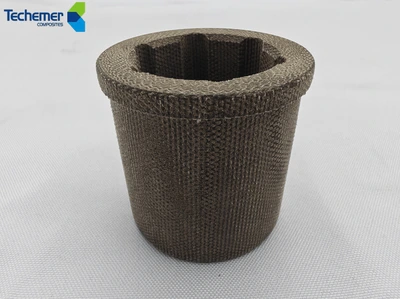
Hydroelectric power plants depend on rotating machinery that must operate consistently under demanding mechanical and environmental conditions. Bearings are essential to this process because they support turbine shafts, control movement, and manage forces generated during operation. Their condition has a direct impact on equipment stability, operating efficiency, and plant availability.
A well-organized maintenance program helps keep hydro turbine bearings in suitable working condition and reduces the risk of unexpected failures. Regular inspections, proper lubrication, vibration monitoring, and timely repairs allow operators to identify potential problems before they affect the entire turbine-generator system.
Why Bearing Maintenance Matters in Hydropower Plants
Hydro turbine bearings operate under continuous mechanical stress. Depending on the turbine design, they may experience radial loads, axial thrust, varying rotational speeds, and changing operating temperatures.
Over time, these conditions can contribute to lubricant deterioration, surface wear, misalignment, and other mechanical issues. Without appropriate maintenance, minor defects may develop into serious failures that require expensive repairs or extended shutdowns.
Effective bearing maintenance helps facilities:
- Maintain stable shaft positioning and alignment
- Reduce friction and unnecessary heat generation
- Prevent premature surface deterioration
- Identify developing mechanical problems
- Improve equipment availability
- Control maintenance and replacement costs
A preventive approach is generally more effective than waiting until a bearing shows severe damage.
1. Perform Routine Visual Inspections
Visual inspection is one of the simplest ways to identify early signs of bearing or lubrication system problems.
Maintenance personnel should examine accessible bearing components, housings, seals, and surrounding areas according to the equipment manufacturer’s recommendations.
During inspection, look for:
- Oil leakage around seals and connections
- Signs of corrosion or moisture exposure
- Unusual discoloration near bearing surfaces
- Loose fasteners or damaged protective covers
- Visible lubricant contamination
- Abnormal wear or surface damage
Any unusual condition should be documented and investigated. Visual inspections cannot identify every internal defect, but they provide useful information when combined with other monitoring methods.
2. Maintain Proper Lubrication
Lubrication is fundamental to the reliable operation of many hydro turbine bearing systems. It reduces friction, supports load transfer, and helps control heat generated between moving surfaces.
An inadequate lubricant film can result in metal-to-metal contact, increasing the risk of scoring, overheating, and premature wear.
Check Lubricant Levels
Oil reservoirs should be maintained within the specified operating range. Low lubricant levels may interrupt the supply needed to maintain an effective film.
Use the Correct Lubricant
The lubricant must meet the viscosity and performance requirements specified for the bearing arrangement. Using an unsuitable oil can affect film formation and operating temperature.
Inspect Lubrication Equipment
Pumps, filters, pipes, coolers, and oil distribution passages should be checked for leaks, restrictions, and other defects.
Follow Recommended Replacement Intervals
Lubricant replacement should be based on manufacturer guidance, operating conditions, and oil analysis results rather than assumptions alone.
3. Monitor Oil Quality and Contamination
Lubricant condition can change gradually during service. Heat, oxidation, moisture, and foreign particles may reduce its effectiveness.
Oil analysis helps maintenance teams evaluate lubricant condition and identify contamination before it causes significant bearing damage.
Common oil analysis checks include:
| Test | What It Helps Identify |
|---|---|
| Viscosity analysis | Changes in lubricant thickness |
| Water content | Moisture contamination |
| Particle analysis | Solid contaminants and wear debris |
| Oxidation testing | Lubricant degradation |
| Elemental analysis | Certain metals associated with wear or contamination |
The results should be interpreted against the lubricant manufacturer’s specifications and the equipment’s operating history.
4. Check Shaft Alignment and Bearing Clearances
Correct alignment is necessary for even load distribution and stable bearing operation. Misalignment can create localized pressure, increase vibration, and cause uneven wear.
Maintenance teams should verify shaft alignment during installation, after major repairs, and whenever operating measurements suggest a possible alignment problem.
Bearing clearances should also be measured using approved procedures. Excessive clearance may allow unwanted shaft movement, while insufficient clearance can restrict lubrication and increase the risk of contact as components expand during operation.
All measurements should be compared with the applicable engineering tolerances.
5. Monitor Bearing Temperature
Bearing temperature provides useful information about operating condition. A sudden increase or a gradual upward trend may indicate excessive friction, poor lubrication, overload, or another mechanical issue.
Temperature monitoring should be carried out at designated measurement points using suitable instruments.
Operators should:
- Establish normal operating temperature ranges
- Record readings at consistent intervals
- Compare measurements with historical trends
- Investigate unexpected temperature changes
- Follow equipment-specific alarm and shutdown limits
Temperature readings should be considered alongside vibration, oil condition, and operating load data to avoid drawing conclusions from a single measurement.
6. Conduct Regular Vibration Analysis
Vibration monitoring is an important part of maintaining rotating machinery. Changes in vibration patterns can reveal problems that may not be visible during routine inspections.
Possible causes of abnormal vibration include rotor imbalance, shaft misalignment, looseness, bearing wear, and hydraulic disturbances.
A structured vibration monitoring program can help identify:
- Changes in vibration amplitude
- Unusual frequency patterns
- Increasing mechanical instability
- Developing alignment problems
- Potential bearing deterioration
Measurements should be taken at consistent locations and compared with established baseline readings and applicable equipment limits.
7. Inspect Thrust and Guide Bearing Arrangements
Hydro turbine installations may use different bearing arrangements to manage radial and axial forces.
Guide bearings generally help control lateral shaft movement, while thrust bearings support axial loads and maintain the position of the rotating assembly.
Maintenance requirements vary according to bearing design.
Guide Bearing Maintenance
Inspect guide bearing surfaces, lubrication arrangements, clearances, and shaft alignment. Look for signs of uneven wear or abnormal movement.
Thrust Bearing Maintenance
Check thrust-bearing pads, lubrication supply, operating temperature, and axial position measurements. For hydrodynamic designs, maintaining the required lubricant film is especially important.
Both arrangements should be evaluated as part of the overall turbine-generator maintenance program.
8. Keep Cooling Systems in Good Condition
Some bearing systems use cooling arrangements to manage heat transferred into the lubricant and surrounding components.
If cooling performance decreases, lubricant temperature may rise and affect its ability to maintain suitable operating conditions.
Maintenance personnel should inspect cooling equipment according to the system design.
Important checks include:
- Inspecting heat exchangers for deposits or fouling
- Checking coolant flow and operating pressure
- Looking for leaks in cooling connections
- Verifying temperature sensor readings
- Confirming that cooling equipment operates within specified limits
Cooling system maintenance should be coordinated with lubrication system inspections because the two systems directly influence bearing temperature.
9. Follow Proper Startup and Shutdown Procedures
Bearing condition can be affected by operating transitions, particularly when equipment moves from stationary conditions to normal operating speed.
Startup and shutdown procedures should follow the turbine manufacturer’s instructions and account for lubrication and cooling system requirements.
Before startup, operators should confirm that required lubrication systems are available and that relevant equipment checks have been completed.
During operation, abnormal vibration, temperature, pressure, or shaft-position readings should be addressed according to established procedures.
Controlled shutdowns and appropriate operating sequences help reduce unnecessary mechanical stress.
10. Use Predictive Maintenance Technologies
Condition monitoring technologies allow maintenance teams to assess bearing performance using operating data rather than relying entirely on scheduled physical inspections.
Depending on the installation, monitoring systems may include:
- Vibration sensors
- Temperature sensors
- Shaft displacement probes
- Lubricant condition monitoring
- Oil pressure and flow measurements
- Automated alarm and data logging systems
Analyzing these measurements over time can help identify developing defects and support better maintenance planning.
Predictive maintenance does not eliminate the need for inspections. Instead, it provides additional information that helps determine when further investigation or intervention may be necessary.
11. Document Every Maintenance Activity
Accurate maintenance records help operators understand how bearing condition changes over time.
Each inspection or maintenance activity should be documented with relevant measurements, observations, and actions taken.
Useful records include:
- Inspection dates and equipment operating hours
- Bearing temperature and vibration readings
- Lubricant sampling and replacement history
- Clearance and alignment measurements
- Identified defects and corrective actions
- Replacement parts and repair details
- Recommendations for future inspections
Consistent documentation makes it easier to identify recurring problems, compare equipment performance, and plan maintenance activities more effectively.
12. Replace or Repair Components When Necessary
Not every bearing problem can be resolved through lubrication adjustments or routine maintenance. Significant surface damage, deformation, excessive wear, or dimensional changes may require refurbishment or replacement.
Before carrying out repairs, technicians should assess the condition of the bearing and determine whether it remains within acceptable engineering limits.
Replacement components should meet the required material, dimensional, and performance specifications. Installation and commissioning should follow approved procedures.
Continuing to operate with a severely damaged bearing can increase the risk of secondary equipment damage and unplanned downtime.
Common Bearing Maintenance Mistakes to Avoid
Even an established maintenance program can become ineffective when basic procedures are overlooked.
Common mistakes include:
- Ignoring small oil leaks
- Using lubricants outside specified requirements
- Delaying oil sampling and analysis
- Overlooking changes in vibration levels
- Failing to check shaft alignment
- Allowing contamination into lubrication systems
- Ignoring abnormal temperature readings
- Using incorrect measurement or installation methods
- Keeping incomplete maintenance records
Avoiding these mistakes requires clear procedures, trained personnel, and consistent supervision.
Developing an Effective Bearing Maintenance Schedule
A maintenance schedule should reflect turbine design, operating hours, environmental conditions, manufacturer recommendations, and historical equipment performance.
The following table provides a general framework. Actual inspection intervals should be determined by the plant’s maintenance strategy and equipment specifications.
| Maintenance Activity | Suggested Approach |
|---|---|
| Operating temperature checks | Continuous or routine operational monitoring |
| Vibration monitoring | Periodic or continuous, depending on instrumentation |
| Visual inspections | At planned inspection intervals |
| Lubricant level checks | According to operating procedures |
| Oil sampling and analysis | At manufacturer-recommended intervals |
| Shaft alignment checks | During installation and relevant maintenance work |
| Bearing clearance measurements | During scheduled inspections |
| Detailed bearing examination | During planned overhauls or when condition indicates a need |
This framework helps maintenance teams organize their work without applying identical intervals to every turbine installation.
The Importance of Quality Bearing Components
Maintenance practices are most effective when bearings are correctly designed and suitable for their intended operating conditions. Material quality, manufacturing accuracy, dimensional tolerances, and application compatibility all influence long-term performance.
Technical resources from Techemer can help engineers explore industrial bearing solutions and consider important factors when evaluating components for hydropower applications.
However, the final selection should always be based on engineering specifications, operating requirements, and the technical suitability of the bearing for the particular turbine system.
Conclusion
Reliable hydro turbine operation depends on consistent bearing maintenance and careful monitoring of mechanical conditions. Routine inspections, proper lubrication, oil analysis, shaft alignment checks, temperature monitoring, and vibration analysis all help reduce the risk of premature bearing failure.
A structured maintenance program also improves fault detection, supports timely repairs, and provides a clearer understanding of equipment condition. By following manufacturer recommendations and maintaining accurate service records, hydropower facilities can improve bearing reliability, reduce unexpected downtime, and support long-term plant performance.