How to Choose a Reliable LVT Click Flooring Supplier
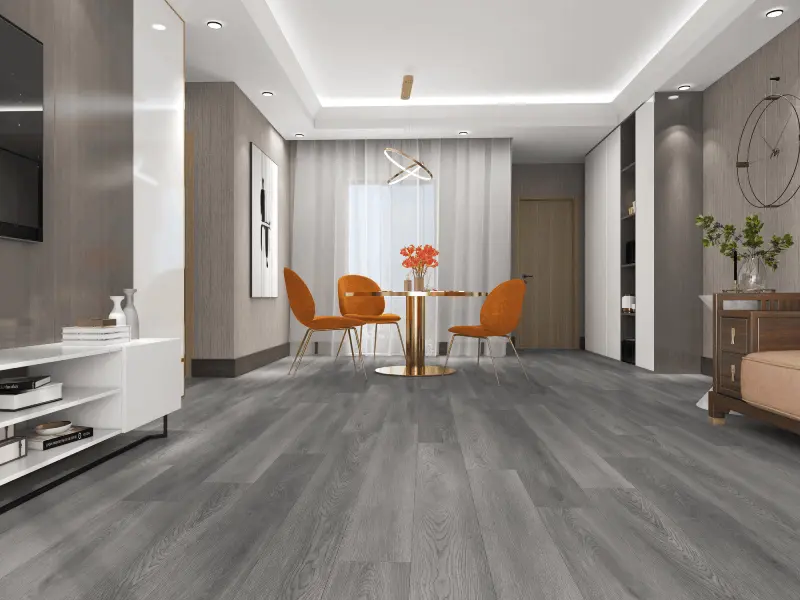
Click-installation luxury vinyl tile has become an option for buyers who want a flooring system with a defined installation method and a wide choice of decorative finishes. Its appeal, however, depends on more than the appearance of the surface. Product construction, locking-profile accuracy, technical support, and supply consistency all influence whether the flooring is suitable for a particular project.
Choosing an LVT Click Flooring Supplier therefore calls for a structured review of both the product and the business behind it. A supplier should be able to explain what it is selling, provide relevant documentation, and communicate clearly about availability and order requirements. These checks are particularly important when purchasing for a multi-room development or a repeat retail range.
Clarify Which Type of Click Flooring You Need
LVT is a broad product category, and click products can differ in their construction. Some use a flexible vinyl structure, while others have a more rigid core. Buyers should not assume that all products described as click LVT have identical performance characteristics or installation requirements.
Start by defining the intended application. A residential renovation, retail unit, office, or hospitality project may have different expectations for surface durability, dimensions, acoustic performance, and maintenance. Record the required product format, thickness, wear-layer specification, finish, and installation method before approaching suppliers.
If the project specification names a particular construction, ask the supplier to confirm it in writing. Product descriptions and marketing terms should not replace a detailed technical data sheet.
Examine the Locking System
The click profile is a central part of a floating-floor installation. Planks or tiles need to connect as described in the manufacturer’s instructions, and the locking design must be compatible with the specified installation method.
When reviewing samples, inspect the joint edges and ask for an installation demonstration. Check whether the pieces connect securely without requiring unusual force or improvised adjustments. The installer should also receive clear instructions about the correct joining sequence, subfloor preparation, perimeter gaps, and transitions.
Do not judge a locking system solely by trying to force together a few sample pieces. Follow the manufacturer’s method and assess whether the finished joints are even and properly engaged.
Request Samples and Technical Information
A reliable supplier should be able to provide samples that represent the product being quoted. Compare the color and texture with the intended interior scheme, and inspect the edges, surface finish, and overall dimensions.
Ask for documentation covering:
- Product construction and total thickness.
- Wear-layer details and applicable test information.
- Plank or tile dimensions and dimensional tolerances.
- Installation instructions and subfloor requirements.
- Maintenance recommendations and product limitations.
- Relevant performance reports or certifications, where required.
Check that the documents identify the exact product model. A report for another collection or construction may not be suitable evidence for the flooring under consideration.
Evaluate Supply and Communication
Product quality is only part of the purchasing decision. Buyers should also establish whether the supplier can meet the required quantity and delivery schedule. Ask about stock availability, minimum order quantities, production lead times, and the process for handling repeat orders.
For projects with multiple phases, confirm whether the same product can be supplied later and how batches are identified. If color consistency is important, discuss production planning and the supplier’s approach to managing differences between batches.
Communication is another useful indicator. Notice whether the supplier answers technical questions directly, provides complete quotations, and explains any limitations. Unclear responses before the sale can create greater difficulties when an order is in production or transit.
Review the Commercial Terms
A written quotation should identify the product code, specification, quantity, unit price, packaging, delivery terms, and payment conditions. Clarify who is responsible for freight, insurance, customs arrangements, and any inspection costs.
Compare suppliers on equivalent terms. A lower price may reflect a thinner wear layer, different core construction, reduced packaging, or excluded services. Confirm the complete cost before making a decision.
Establish a Practical Approval Process
Before placing a substantial order, retain an approved sample and signed specification. For larger purchases, agree on inspection criteria covering appearance, dimensions, carton labels, and quantities. Keep the relevant documents with the purchase records.
Choose a Supplier That Supports the Installation
A dependable LVT click flooring supplier should combine suitable products with accurate information, consistent supply, and useful technical support. Evaluating these areas before ordering helps buyers reduce uncertainty and select flooring that is appropriate for the project rather than relying on appearance or price alone.